
Collection: Projection Screens

Recommended Projection Screens
Here are some of our most popular Projection Screens for UK Schools. With hundreds of size and surface combinations available, we’re here to help you find the perfect fit. Need advice? Download our Projection Screen Specification PDF or call our friendly team on 01382 913 913.


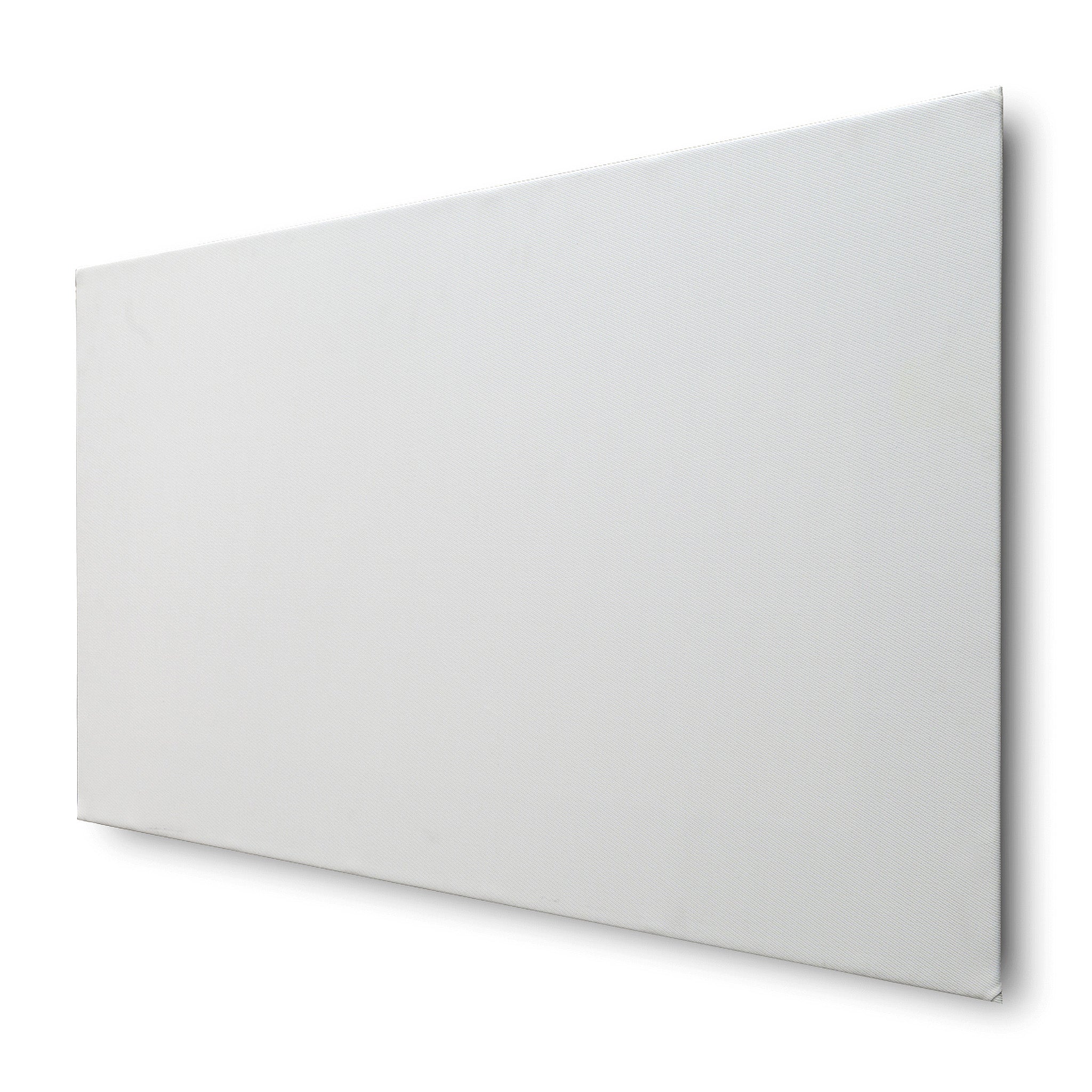
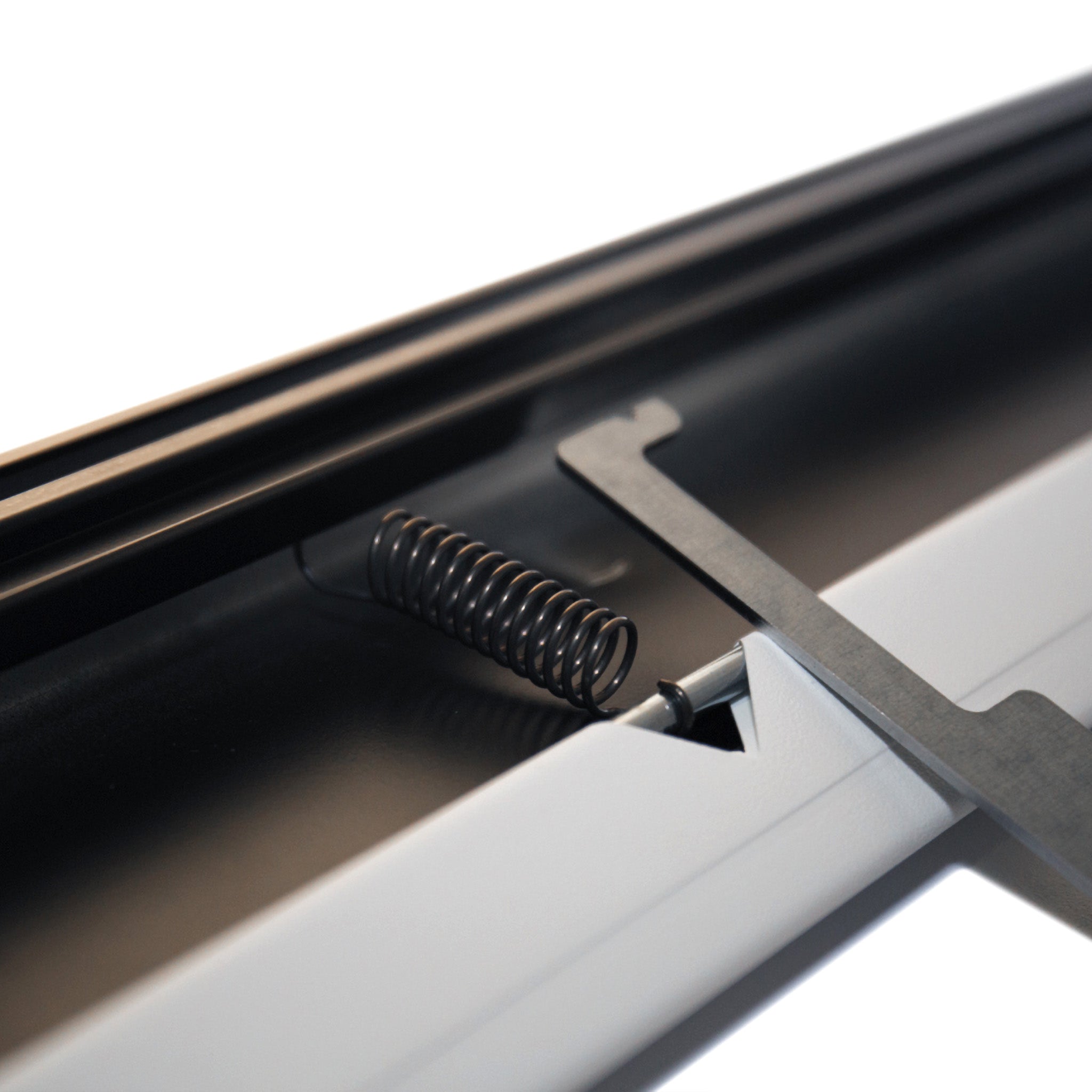
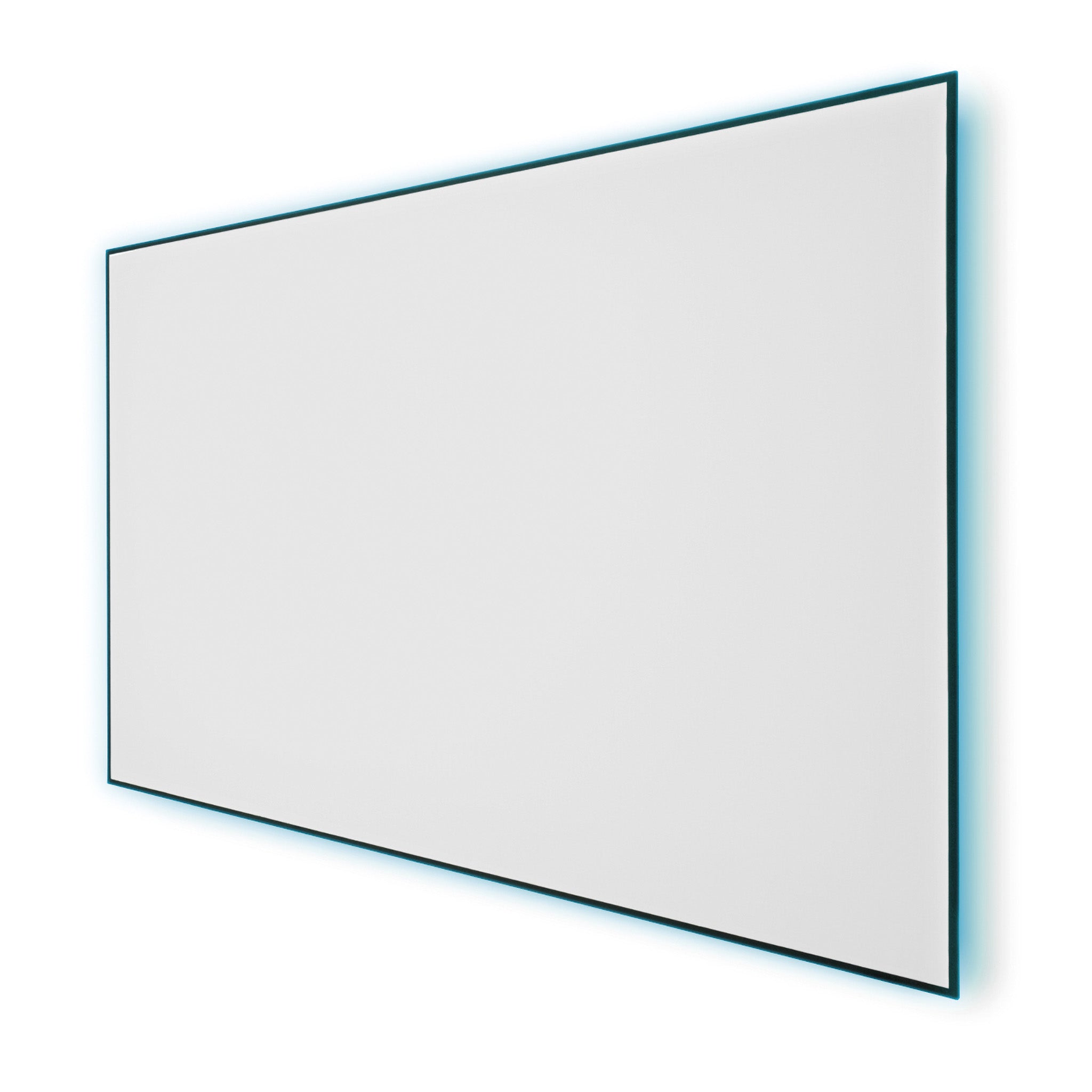
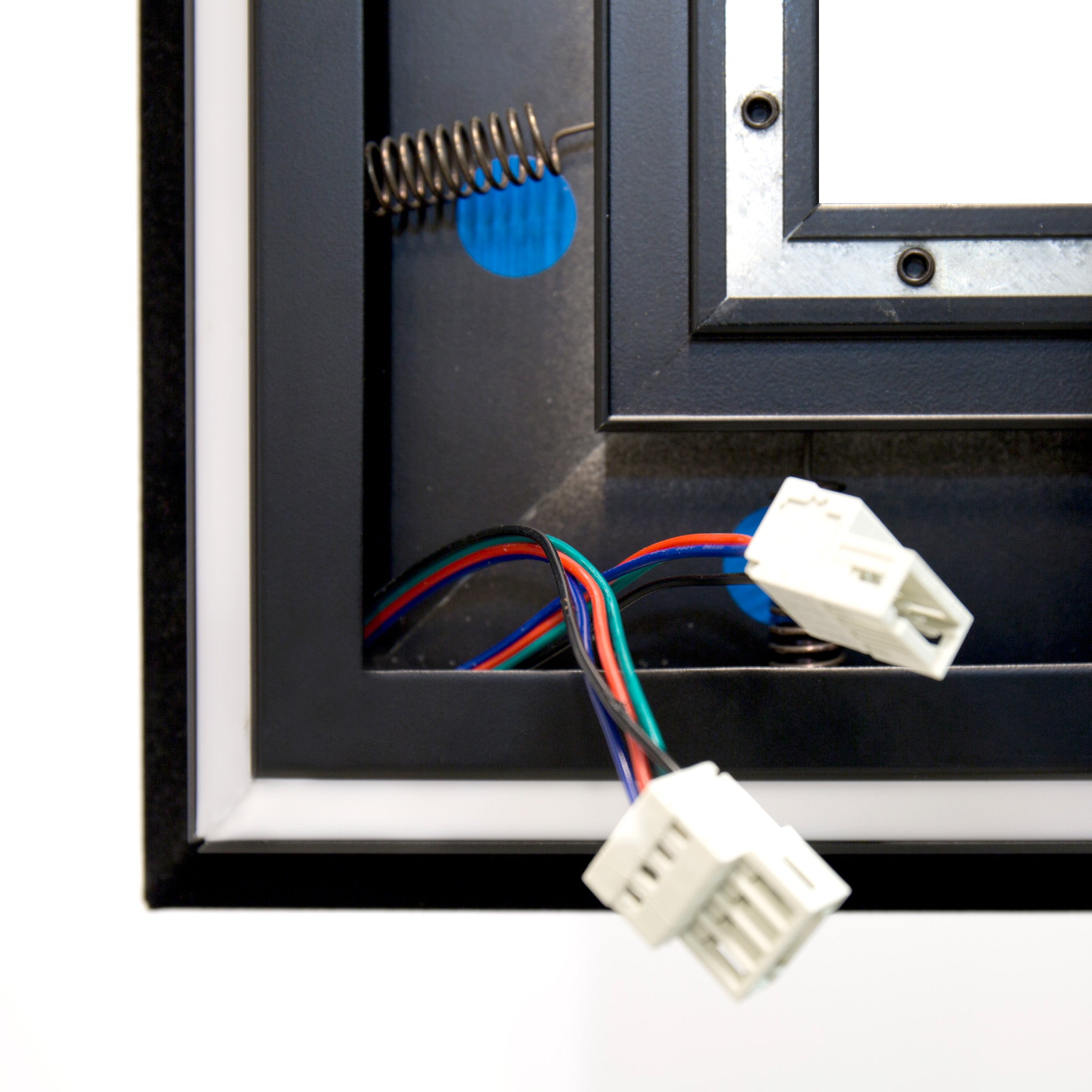
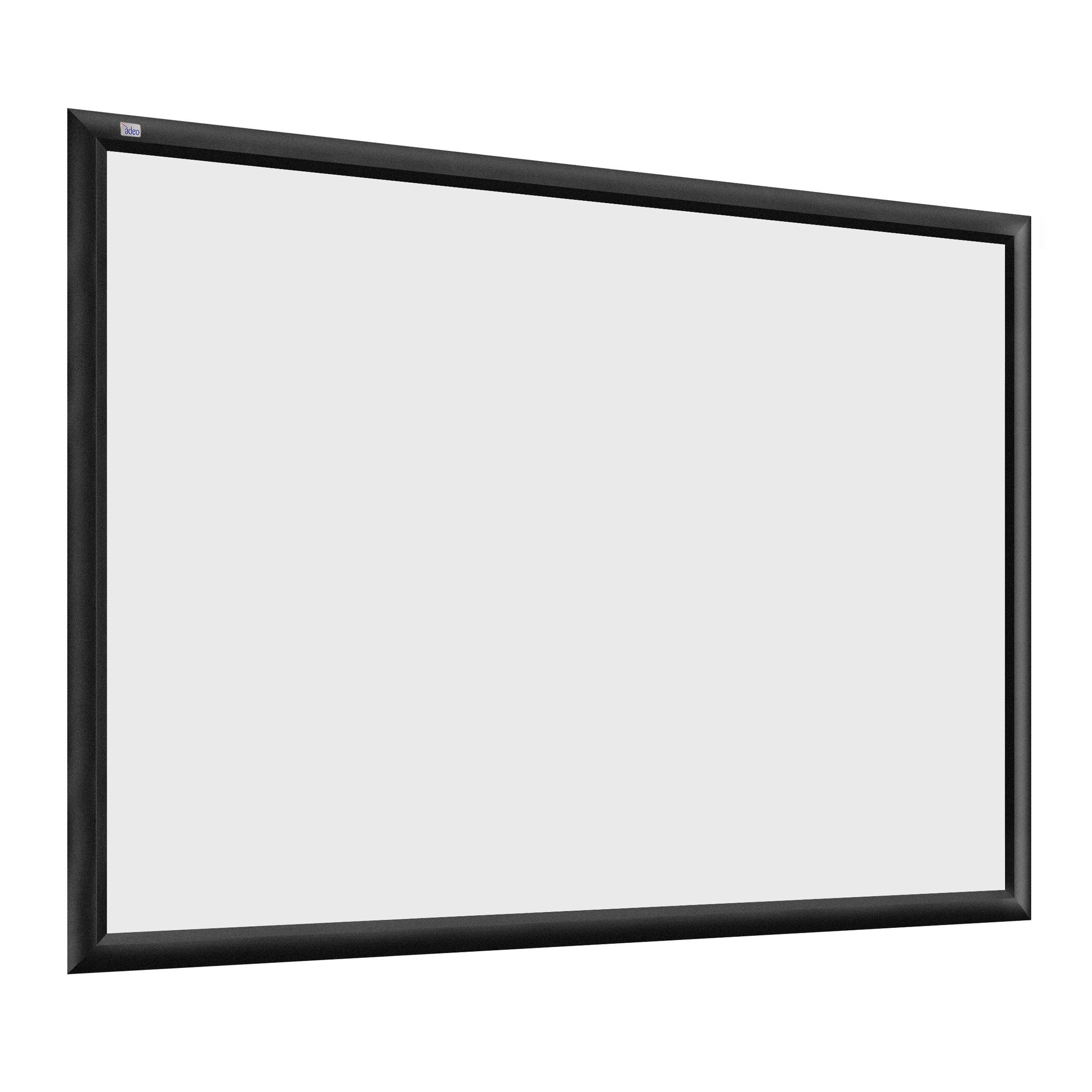
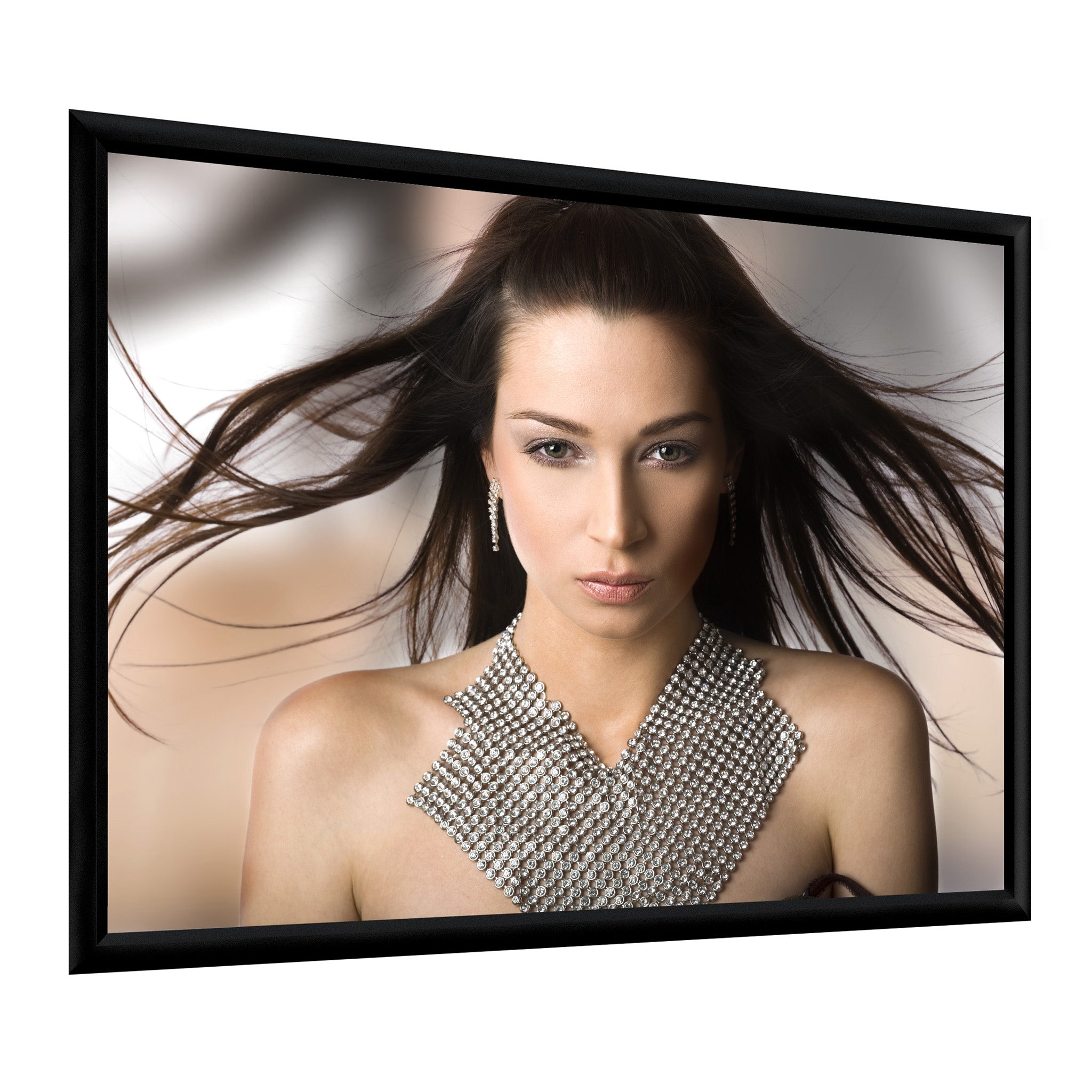
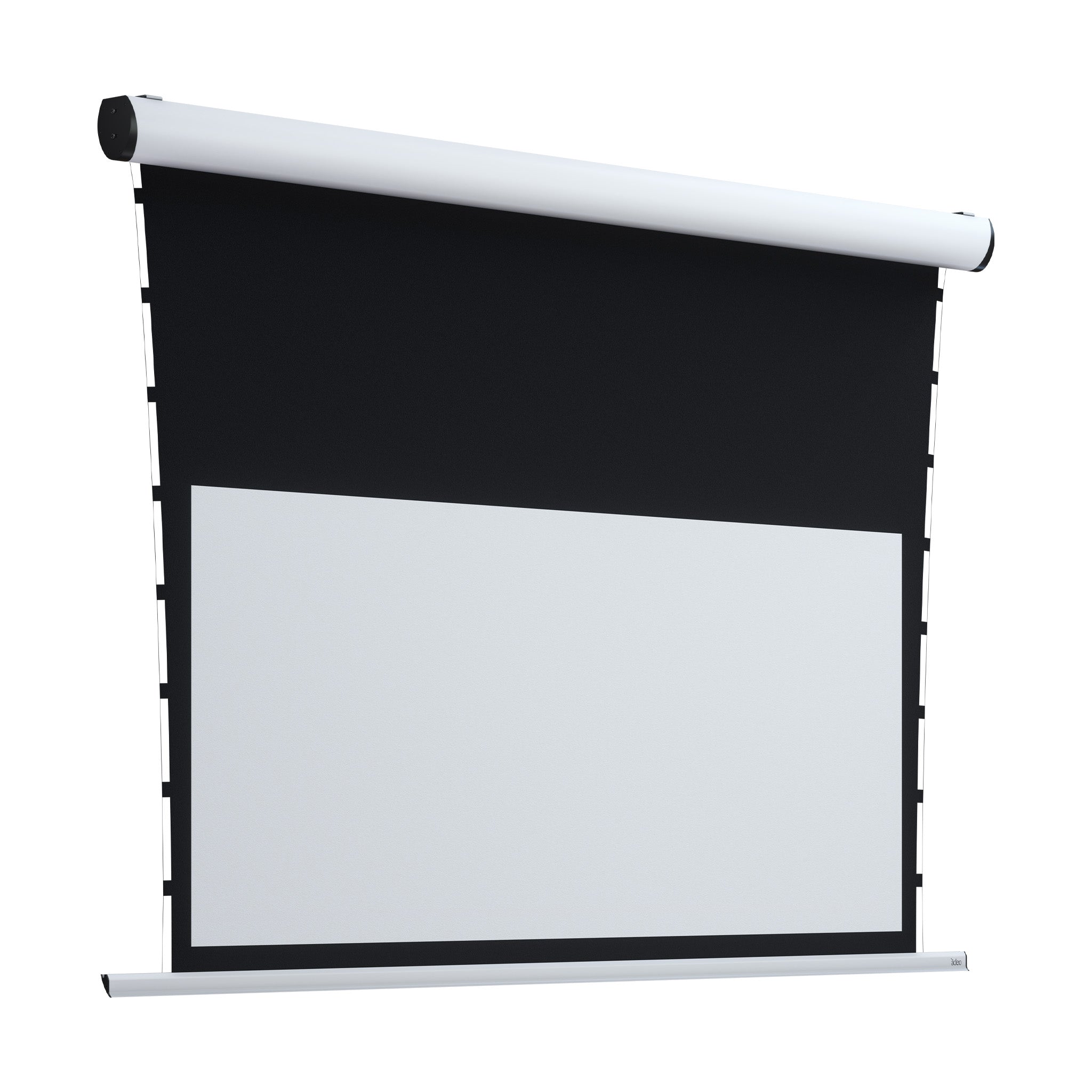
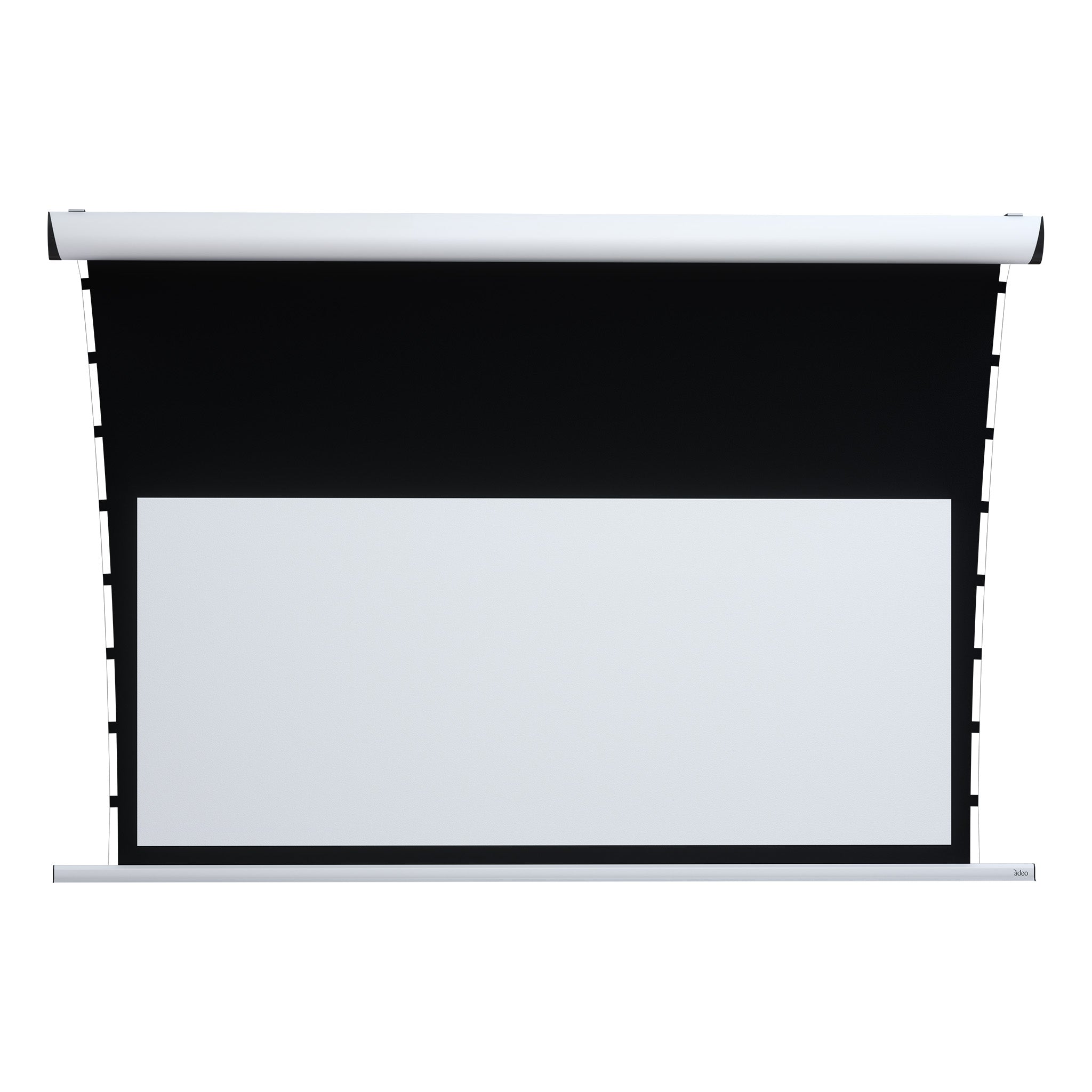
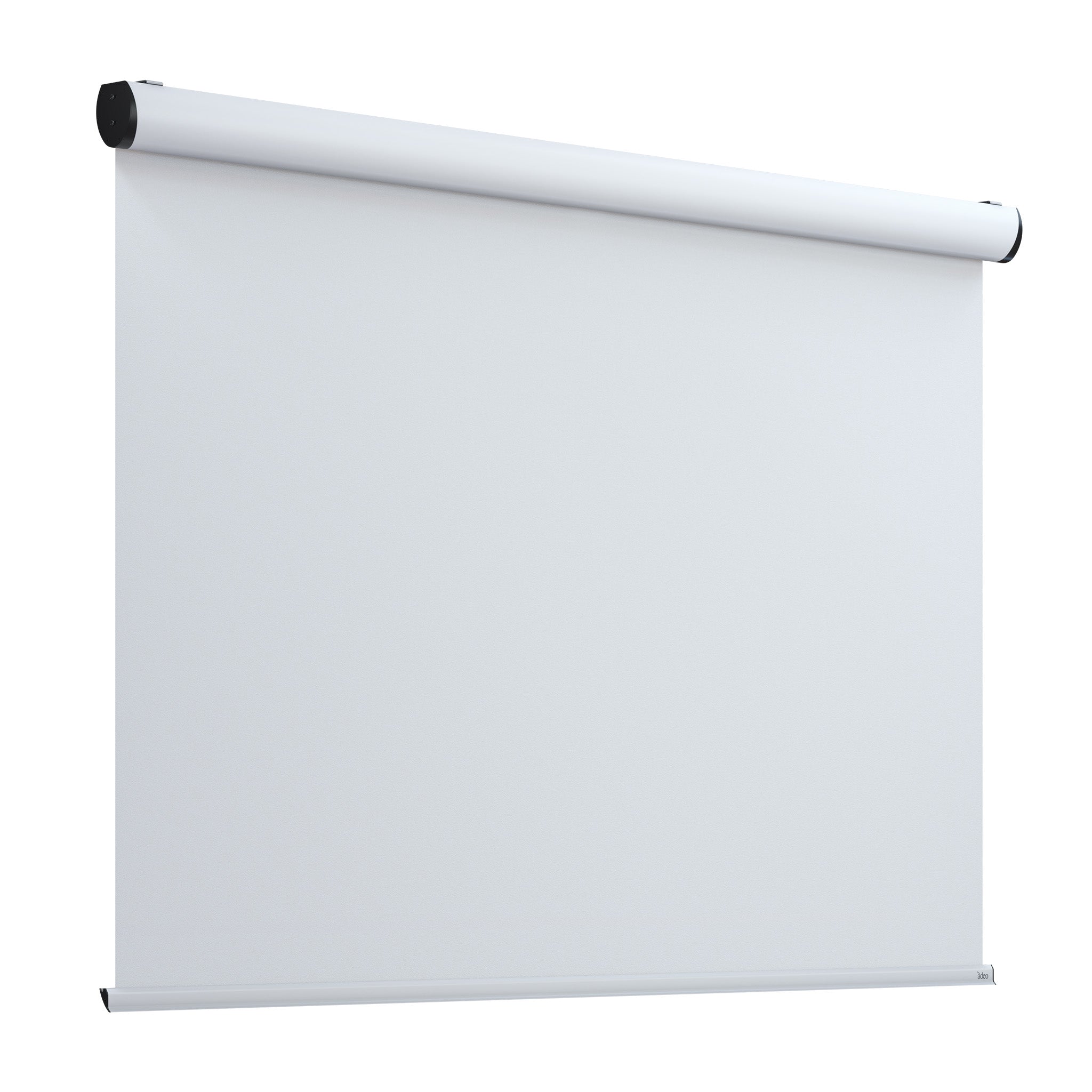
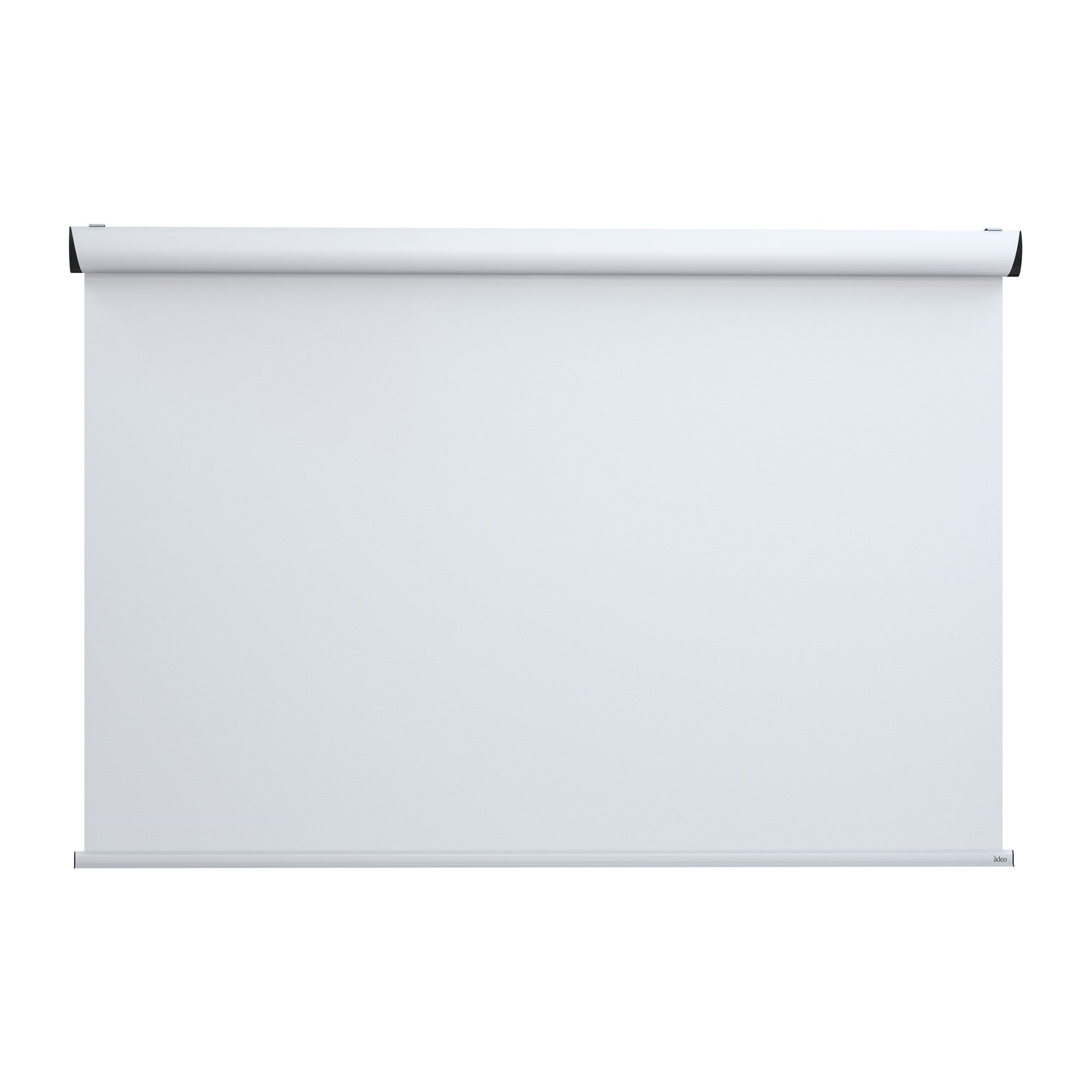
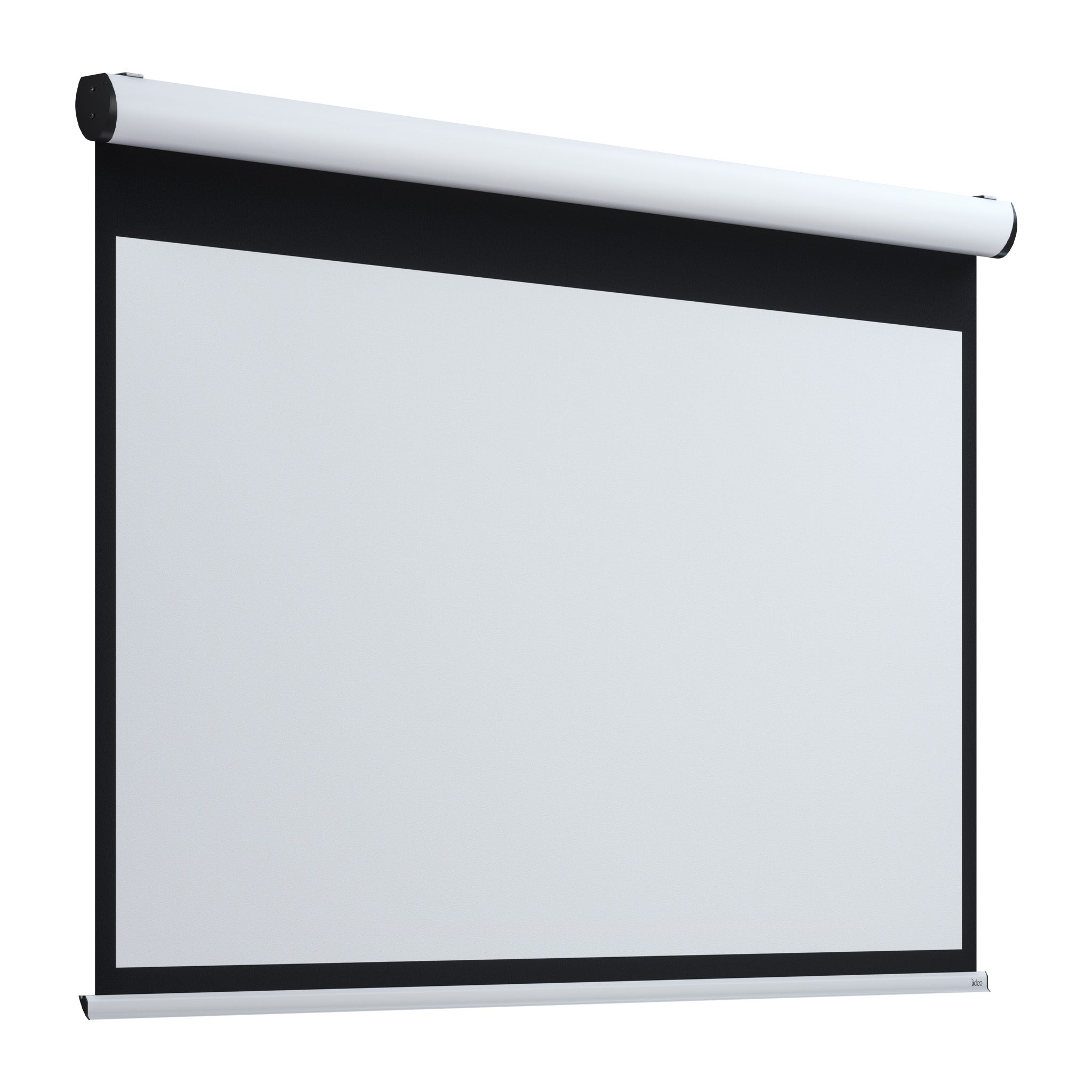
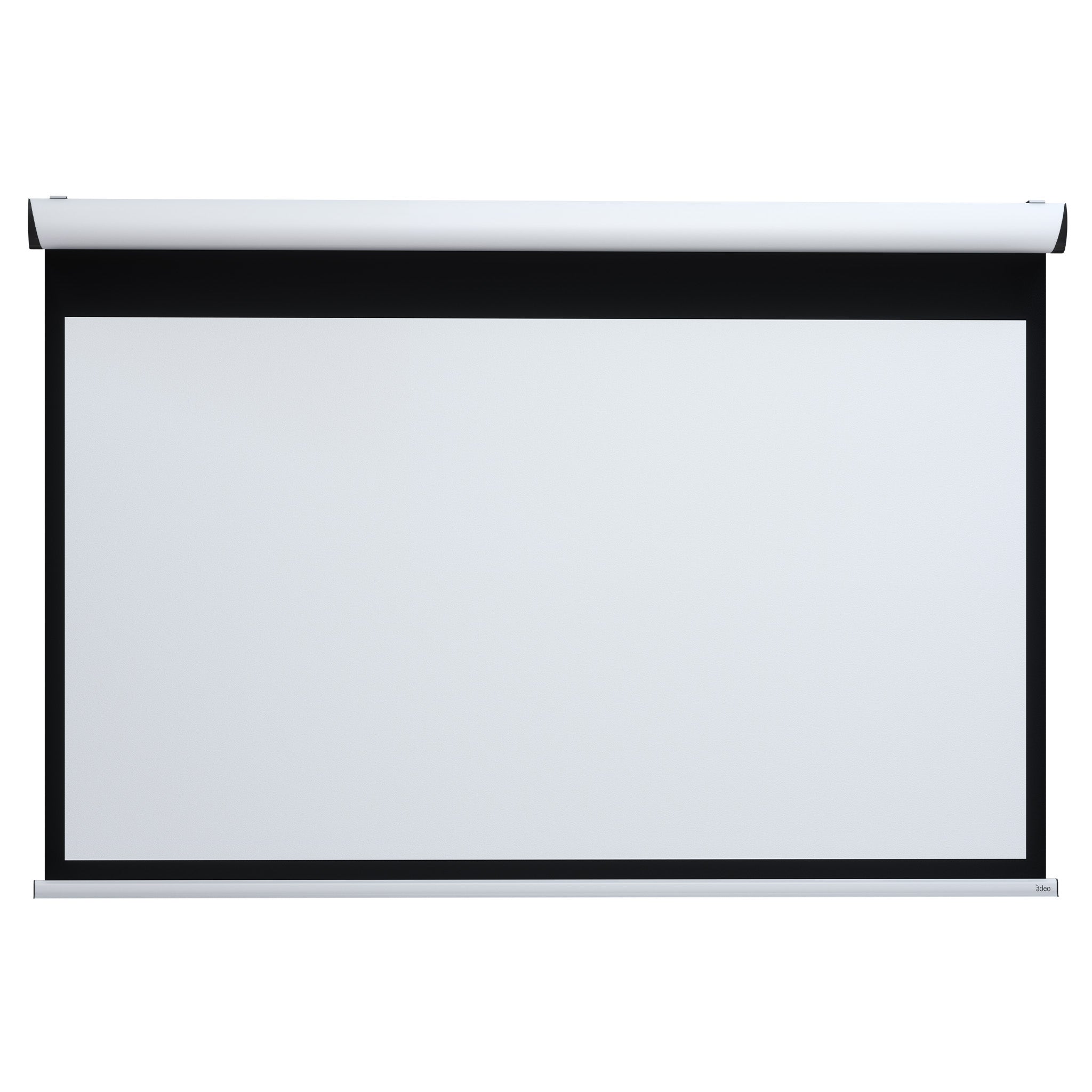
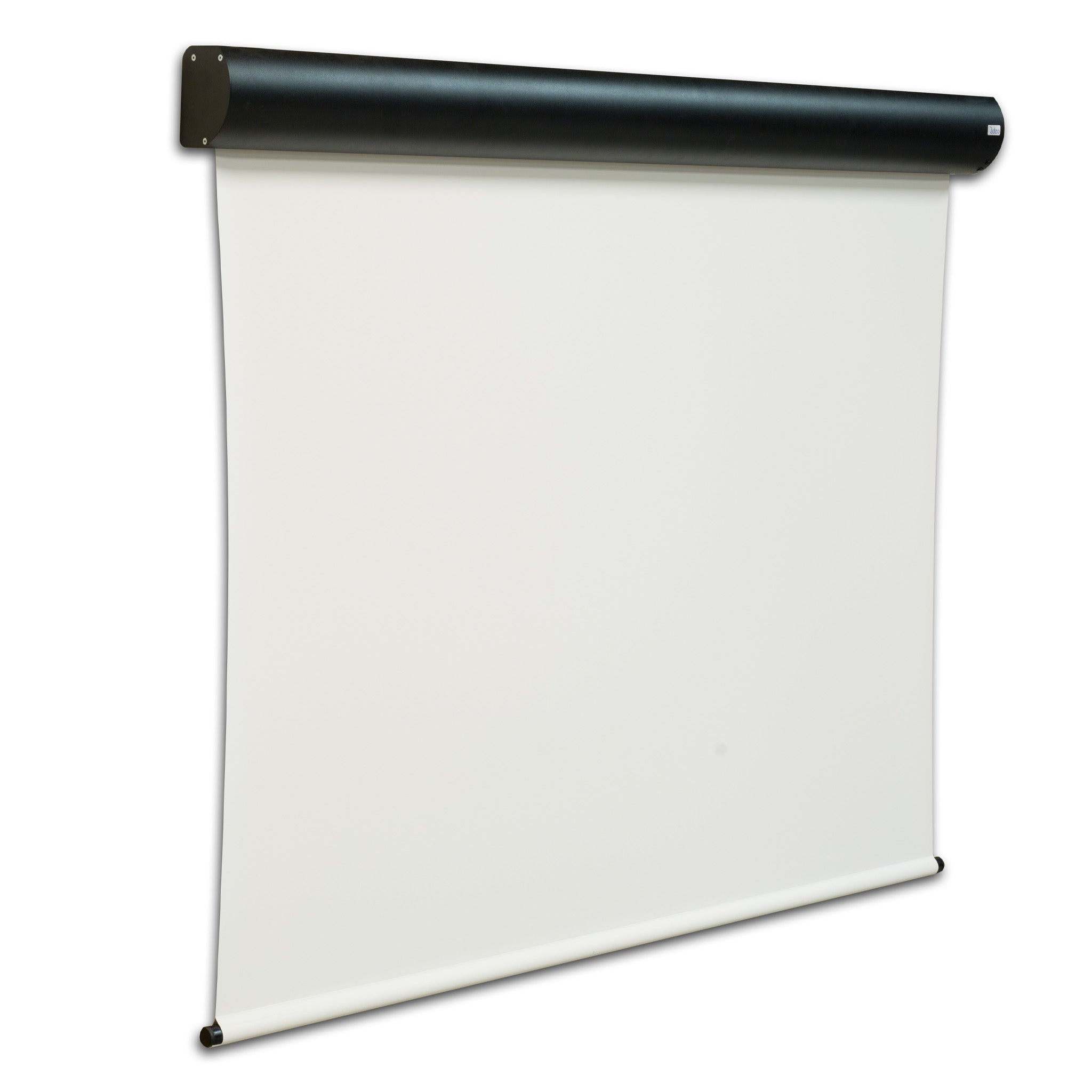
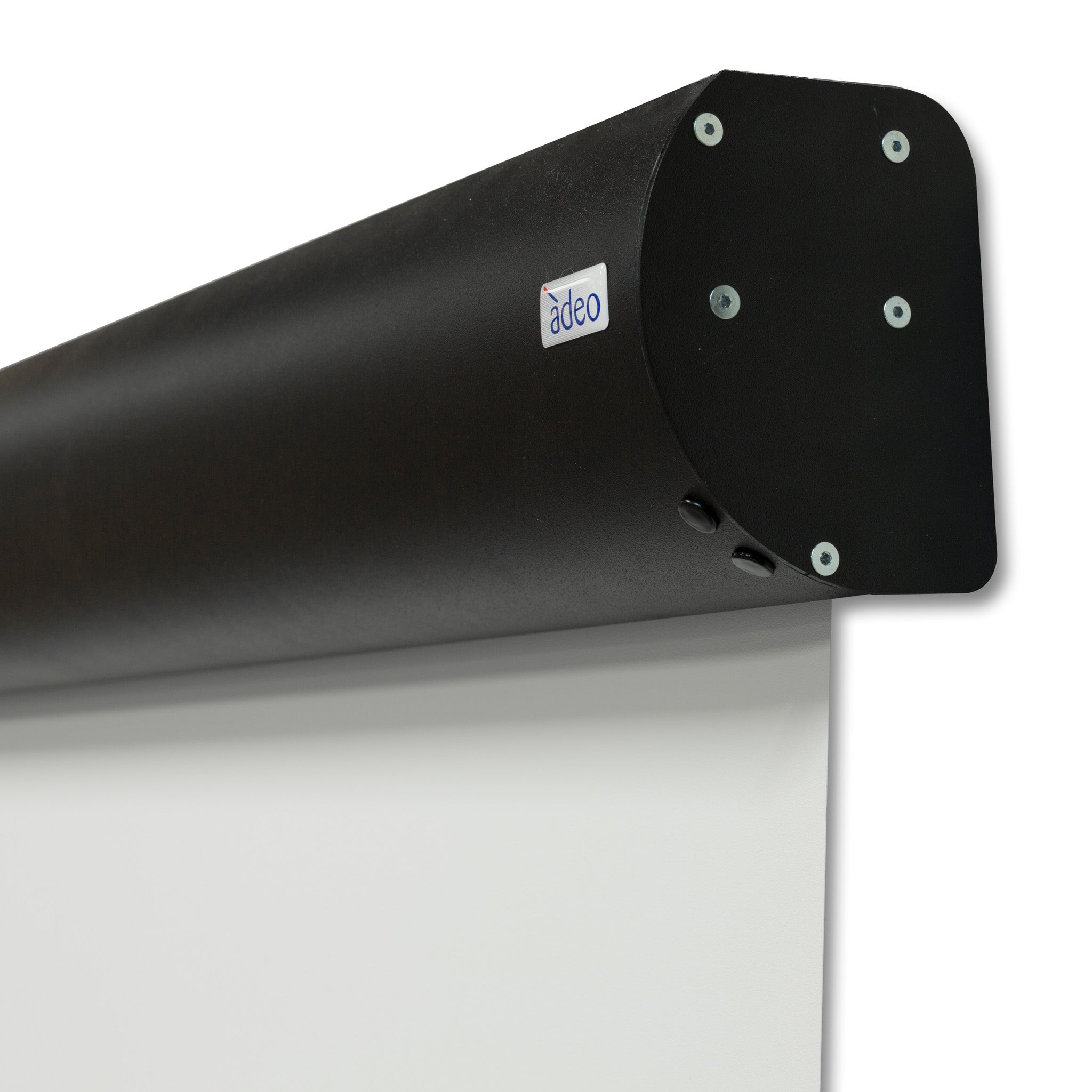
Quick answer: Projection screens from Presentation Spaces cover every installation scenario, from boardrooms and lecture theatres to classrooms and training suites. Choose a fixed-frame screen for maximum image sharpness, a motorised electric screen for flexible multi-use spaces, or a projection whiteboard when you need writing and presenting on the same surface.
Fixed-frame vs electric roller projection screens
The right mechanism depends on how often the screen is in use and what shares the wall with it.
Fixed-frame screens keep the fabric permanently tensioned, which eliminates the wave distortion that can creep into rolled surfaces over time. They suit dedicated presentation rooms, home cinemas, and lecture theatres where the screen is the room's primary purpose. Our Frameless Fixed Projection Screen strips the frame down to a near-borderless look for a clean, modern finish, while the Prestige Fixed Frame Projection Screen adds a velvet-lined aluminium frame that absorbs stray light at the screen edge and lifts image contrast.
Electric roller screens retract into a cassette housing when not needed, freeing the wall for a whiteboard, display, or natural light. The Linear Projection Screen uses a quiet motor and drop-stop tensioning to keep the fabric flat at any height. For larger venues and auditoriums, the Rugby Pro Tension Classic Projection Screen uses side-tensioned guide rails to hold a wide surface without bow or ripple across the full drop.
Screen gain and ambient light
Gain is the measure of how much light a screen surface reflects back relative to a standard white reference. A gain of 1.0 reflects evenly in all directions; higher gain concentrates reflected light toward the centre of the audience, improving perceived brightness in rooms where you cannot fully black out the windows.
- Gain 1.0 to 1.2 (matt white): best in darkened or semi-darkened rooms; wide viewing angle suits tiered lecture theatres and training rooms where viewers sit off-axis.
- Gain 1.3 to 1.8 (grey or high-gain white): improves contrast in rooms with residual ambient light; the grey base absorbs some of the ambient light that would otherwise wash out dark areas of the image.
- Ultra-short-throw (UST) fabric: required for interactive projectors mounted within a metre of the screen; the angular-reflective coating rejects ceiling light while accepting the near-horizontal projection beam.
If you are specifying a projector screen for a room with large windows and no blackout blinds, contact us for gain and surface recommendations before ordering.
Projection whiteboards
A projection whiteboard combines a dry-erase writing surface with a projection-compatible finish, removing the need for two separate products on the same wall. The Semi-Matt Projection Whiteboard uses a low-sheen lacquered steel surface that accepts both projected images and standard dry-erase markers, making it the practical choice for training rooms, science labs, and corporate meeting spaces where presenters annotate slides in real time.
Key points when specifying a projection whiteboard:
- The surface must be smooth enough for projection but not so glossy it creates hotspots; the Slimline's satin finish threads this needle.
- Magnetic steel backing means documents and physical samples can be fixed to the board during a presentation.
- Frame depth matters for motorised projector mounts; check the projector arm's throw distance against the screen offset.
Sizing projection screens for the room
The standard sizing rule for projected content is a screen height equal to one-sixth of the throw distance from the projector to the screen. For a 6-metre throw, that gives a 1-metre screen height. In practice, lecture theatre seating arrangements and the farthest viewing position tend to dictate the actual minimum size.
Use these benchmarks as a starting point:
- Boardrooms and small meeting rooms (up to 8 people): 16:9 screens at 100 to 120 inches diagonal are typical.
- Training rooms and classrooms (up to 30 people): 120 to 150 inches diagonal; consider a 4:3 or 16:10 aspect ratio if content includes full-page documents.
- Lecture theatres and auditoriums: 180 to 300 inches diagonal; dual-screen or wide-format 2.35:1 setups are common for conference-style events.
All our screens are available in custom sizes. If the standard range does not match your room, call or email for a quote.
Sectors we serve
Projection screens from Presentation Spaces are used across education, corporate, and public-sector environments throughout the UK.
- Universities and further education: lecture theatre screens with motorised operation, integrated AV control, and pull-down formats for tiered rooms. Free UK delivery available on qualifying orders.
- Schools and academies: wall-mounted electric screens for interactive projectors; projection whiteboards for science and technology rooms where writing-on-screen is part of the lesson.
- Corporate and commercial offices: slim fixed-frame screens for boardrooms; cassette-housed electric rollers for divisible meeting suites.
- Training and conference centres: tensioned wide-format screens for keynote and presentation suites; dual-screen setups for break-out rooms.
- Public sector and healthcare: durable commercial-grade screens for briefing rooms, multi-agency operations centres, and patient-facing display spaces.
Browse the full range of projection screens →
Frequently asked questions about projection screens
What is the difference between a fixed-frame and an electric projection screen?
A fixed-frame screen keeps the fabric stretched tight at all times, which produces the flattest surface and the best image quality for a dedicated projection space. An electric screen rolls into a ceiling or wall cassette when not in use, which suits multi-purpose rooms where the screen shares wall space with other displays or windows. Fixed-frame screens are generally preferred in lecture theatres and screening rooms; electric screens in boardrooms and classrooms.
What screen gain should I choose for a room with natural light?
A gain of 1.3 or higher is recommended for rooms where blackout is not complete. Higher-gain surfaces reflect more light back to the audience, improving apparent brightness without increasing the projector's output. Grey-base fabrics also raise perceived contrast by absorbing ambient light in the room. For rooms with full blackout, a standard 1.0 matt white surface gives the widest viewing angle and the most accurate colour.
Can I write on a projection screen?
Standard projection screen fabrics are not designed for dry-erase use and will be permanently damaged by marker pens. If you need a surface for both projection and writing, choose a projection whiteboard such as the Slimline Projection Whiteboard, which has a lacquered steel surface rated for repeated dry-erase use and a projection-compatible satin finish.
How do I calculate the right screen size for my room?
Divide the throw distance (projector to screen, in metres) by six to get the minimum recommended screen height. Then check the farthest seat: the viewer at the back of the room should see the screen at a vertical angle of no less than 15 degrees. For large lecture theatres, the rule of thumb is that the screen height should be at least one-quarter of the distance from the screen to the last row. Contact us if you want a room-specific recommendation.
Are your projection screens available in custom sizes?
Yes. Most screens in the Presentation Spaces range can be manufactured to custom widths and heights. Lead times vary by product and season; contact us with your room dimensions and we will confirm availability and pricing. Custom orders are non-returnable, so we recommend confirming measurements against a scaled floor plan before ordering.
Do projection screens come with a warranty?
Commercial-grade screens from Presentation Spaces carry a manufacturer warranty covering fabric defects and mechanical components. Warranty periods vary by product; specific terms are listed on each product page. Accidental damage and misuse are excluded. Contact us if you have a warranty query for an existing installation.