
Collection: Mobile Surfaces

Recommended Mobile Surfaces
-
Mobile Double-Sided Felt & HPL Combination Fixed Noticeboard and Dry-Wipe
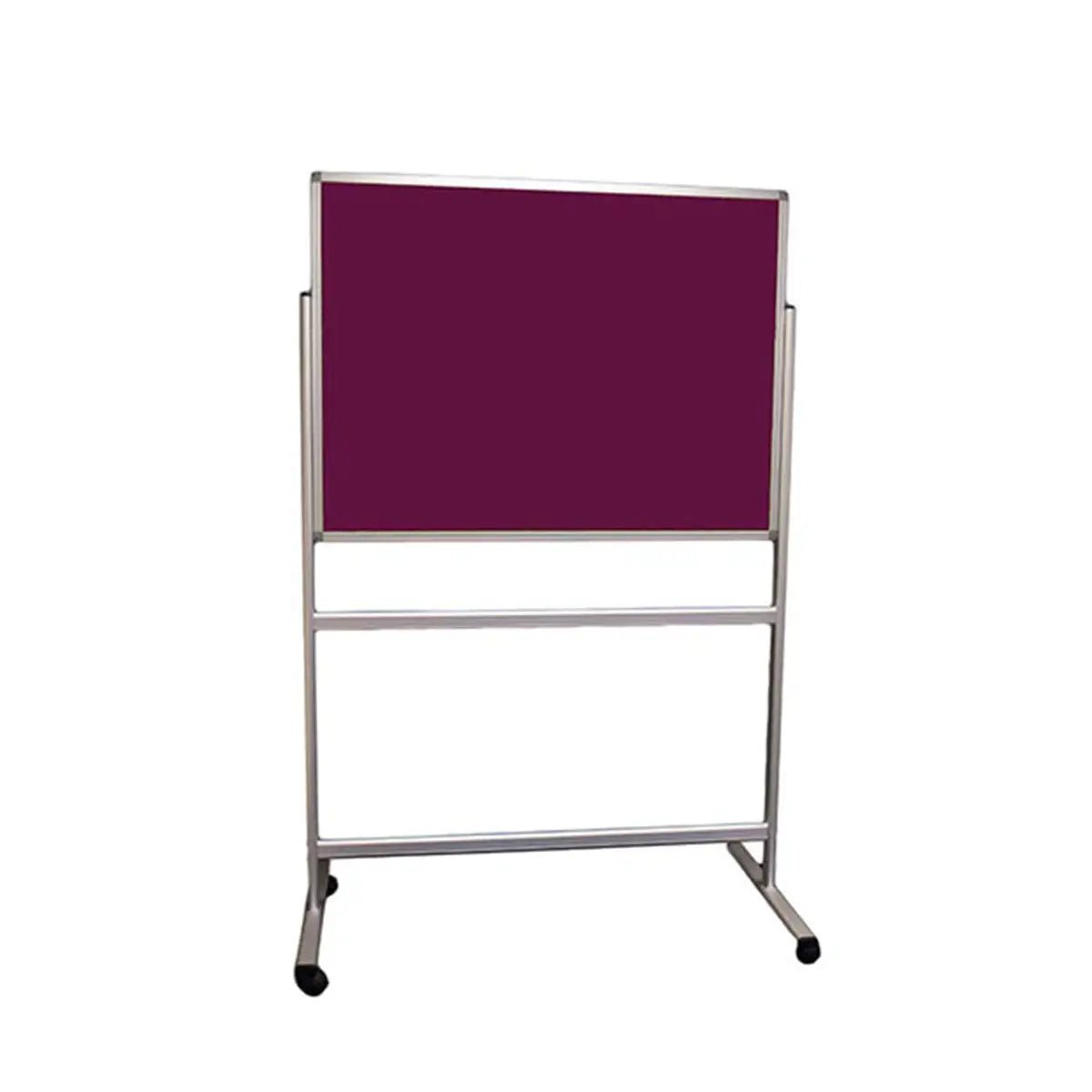
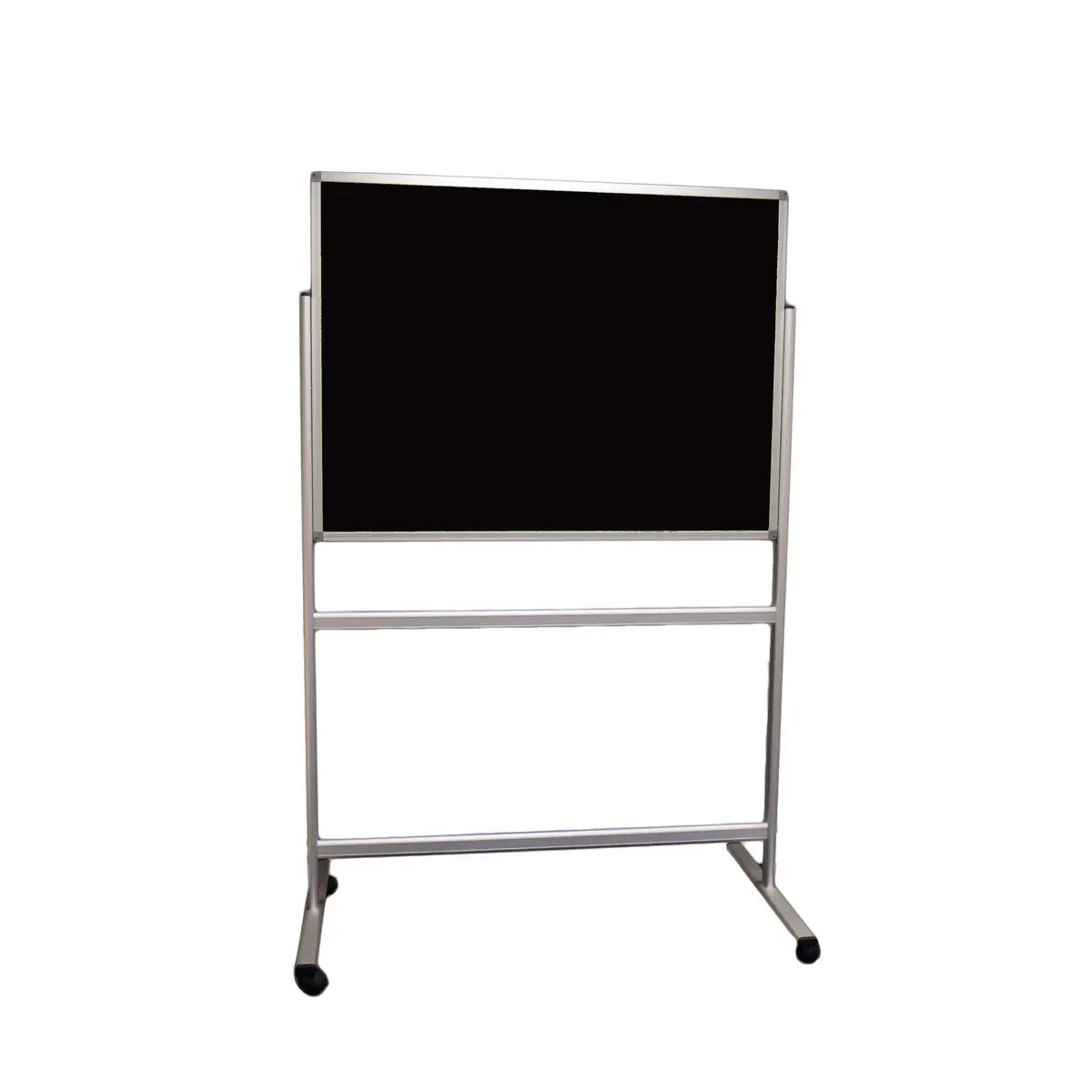
Mobile Double-Sided Felt & HPL Combination Fixed Noticeboard and Dry-Wipe
From £180.00 exc VAT- From £216.00 inc VAT
-
Mobile Magnetic Flipchart Adjustable Height with Arm extensions on Castors

Mobile Magnetic Flipchart Adjustable Height with Arm extensions on Castors
£180.50 exc VAT- £216.60 inc VAT
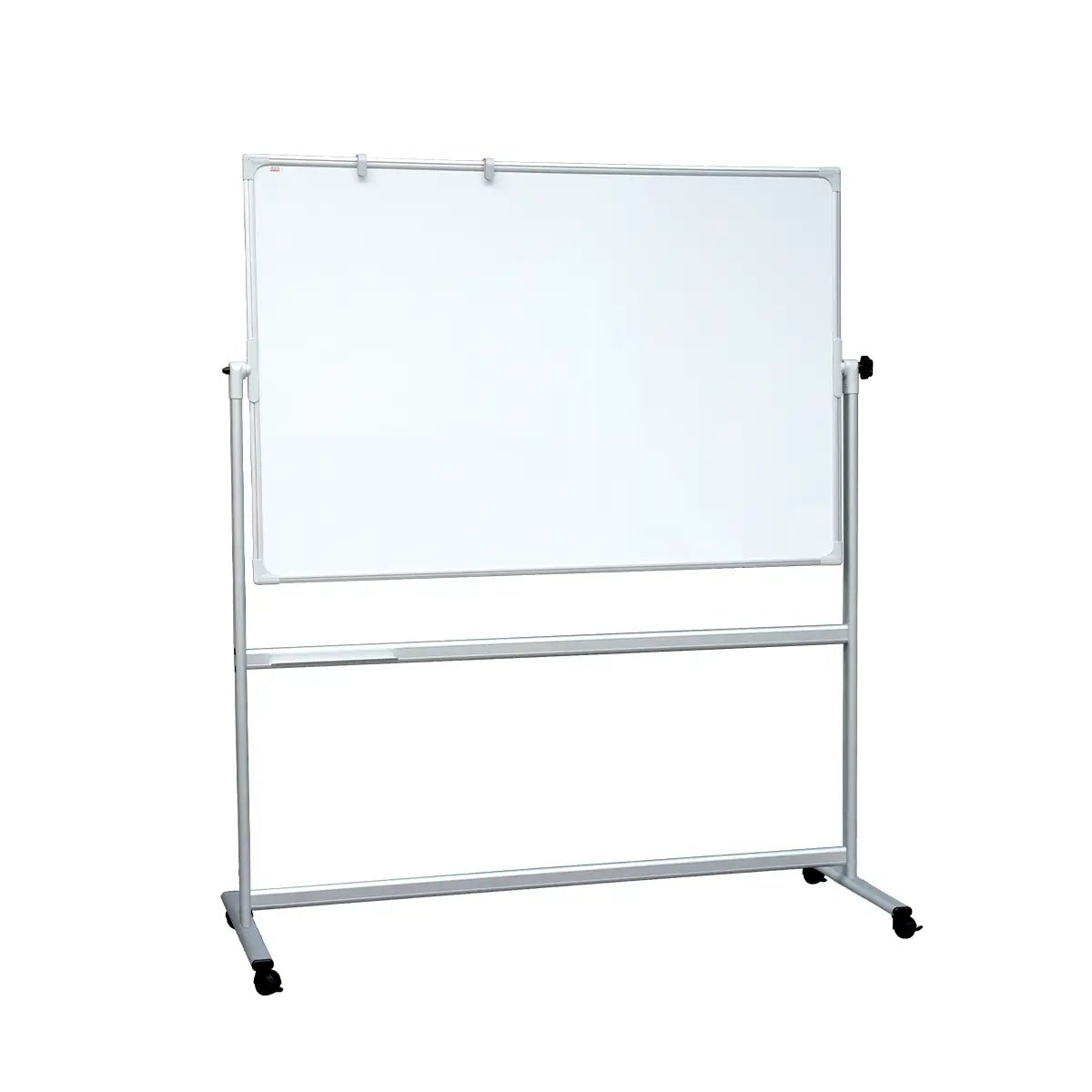
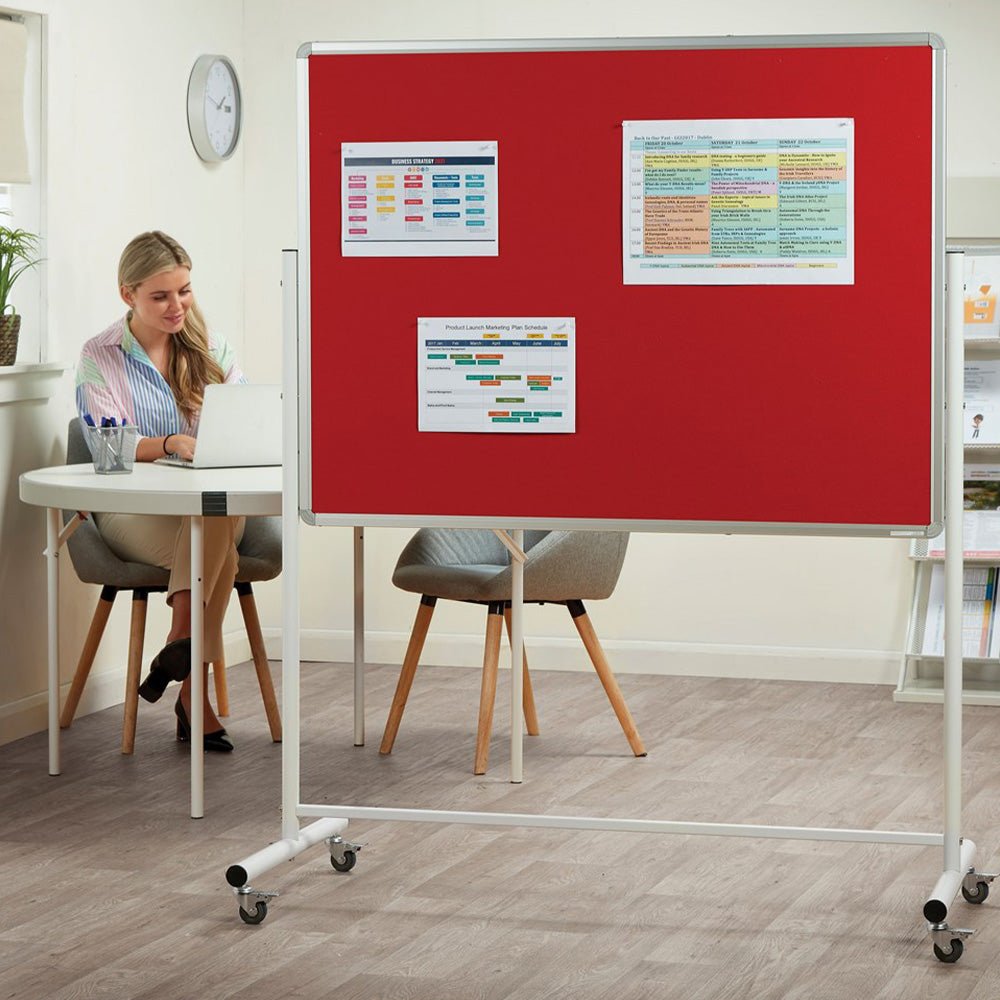
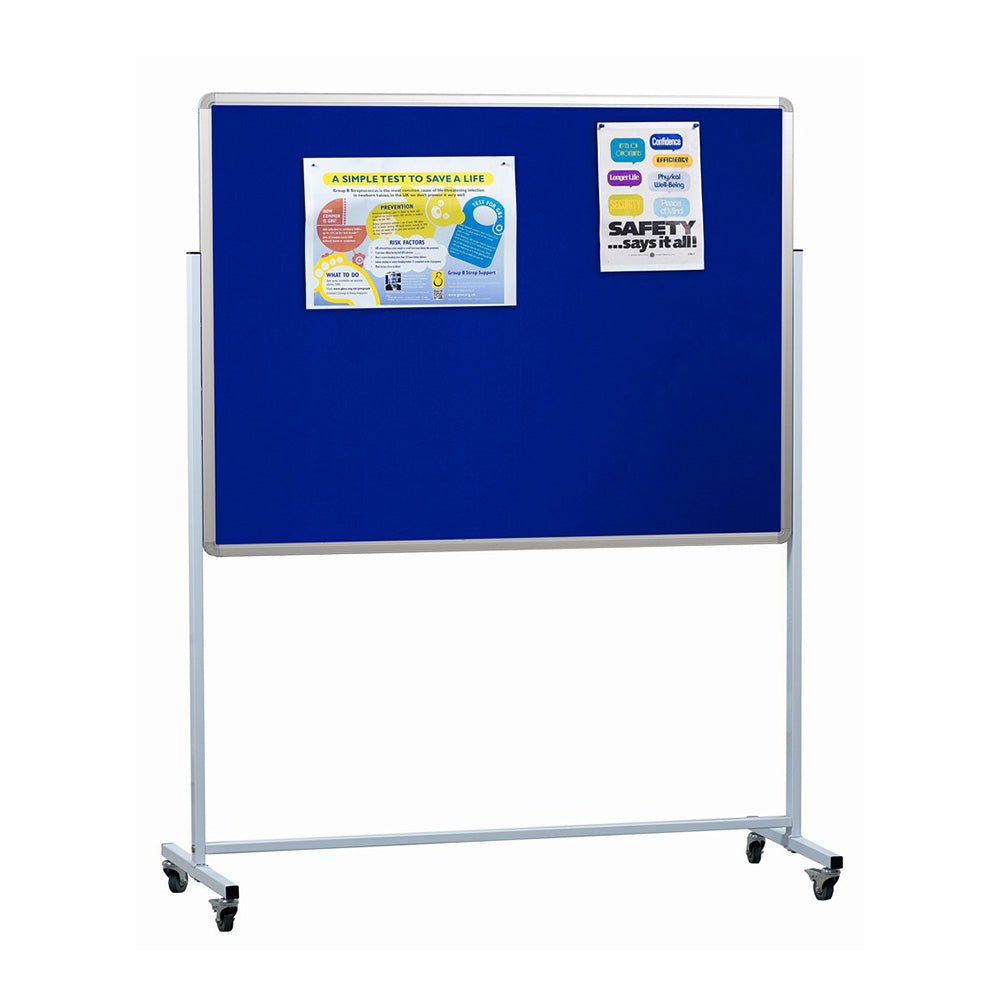
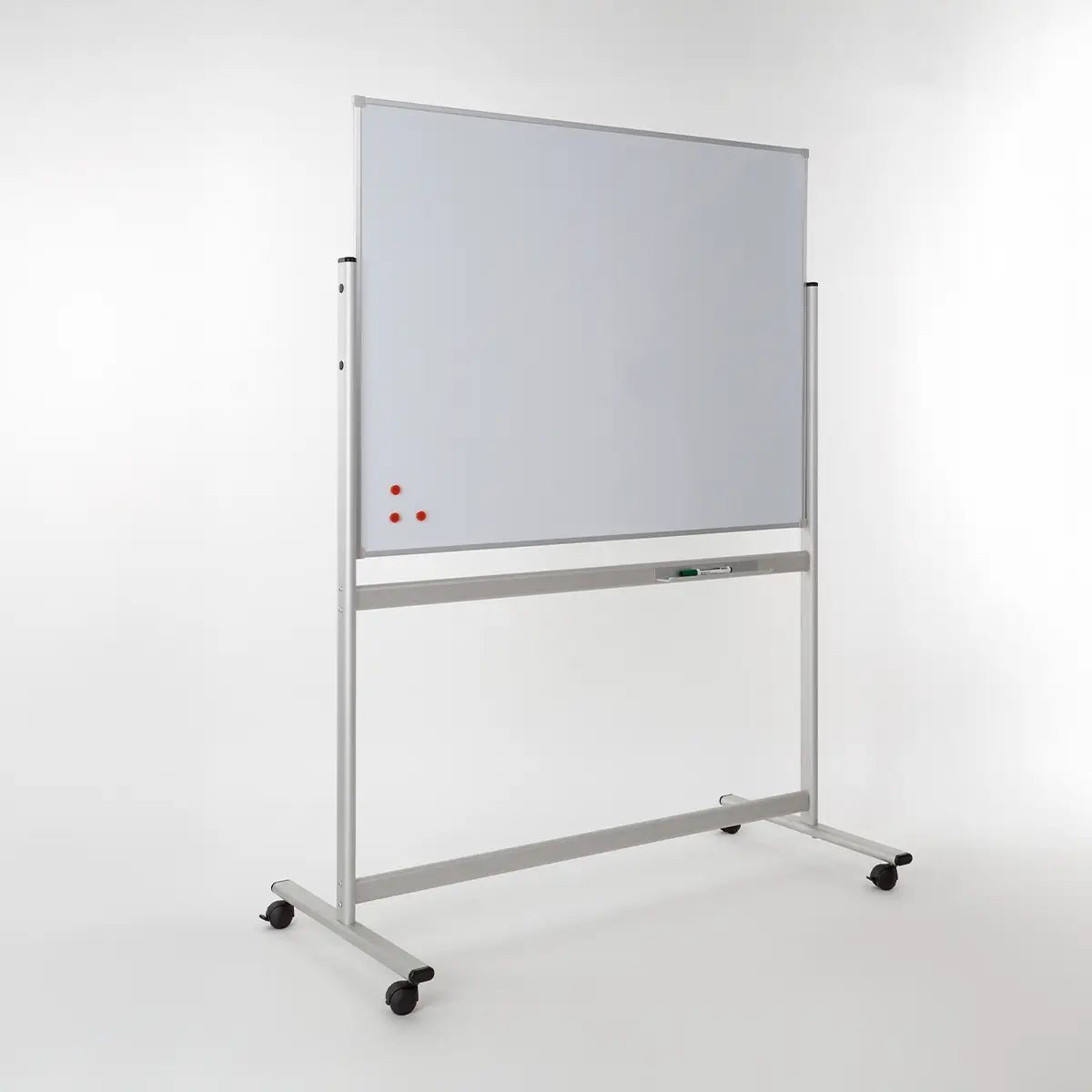


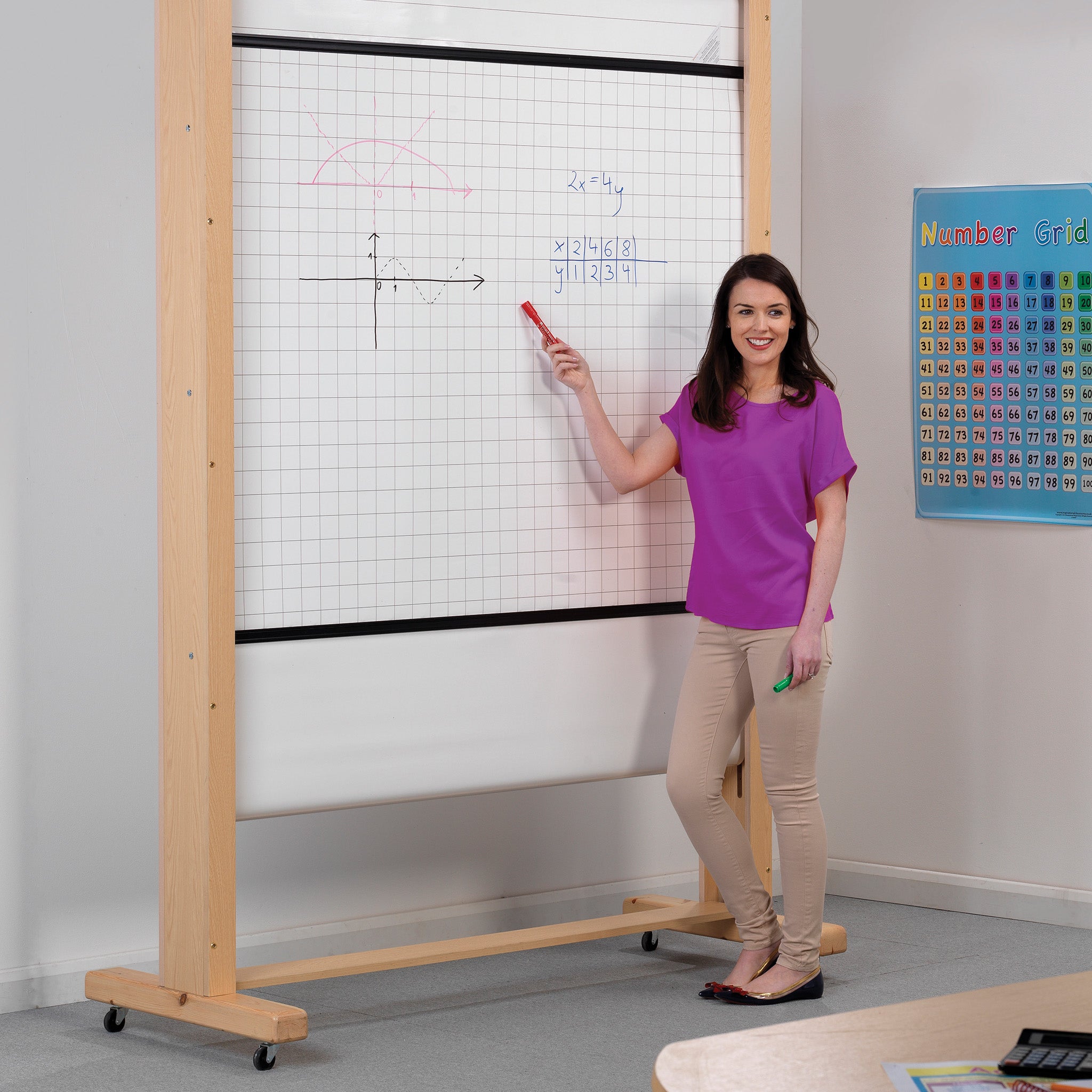
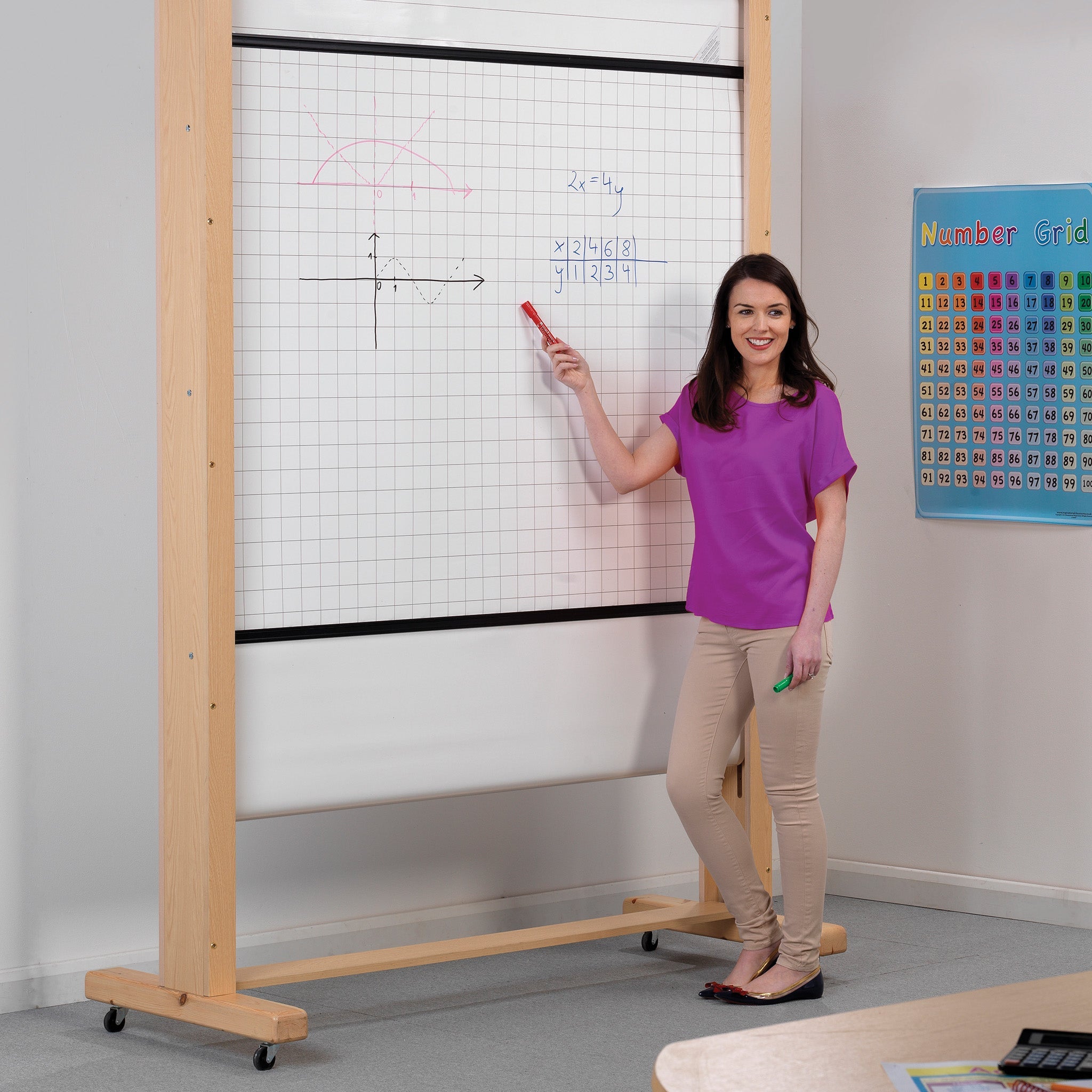
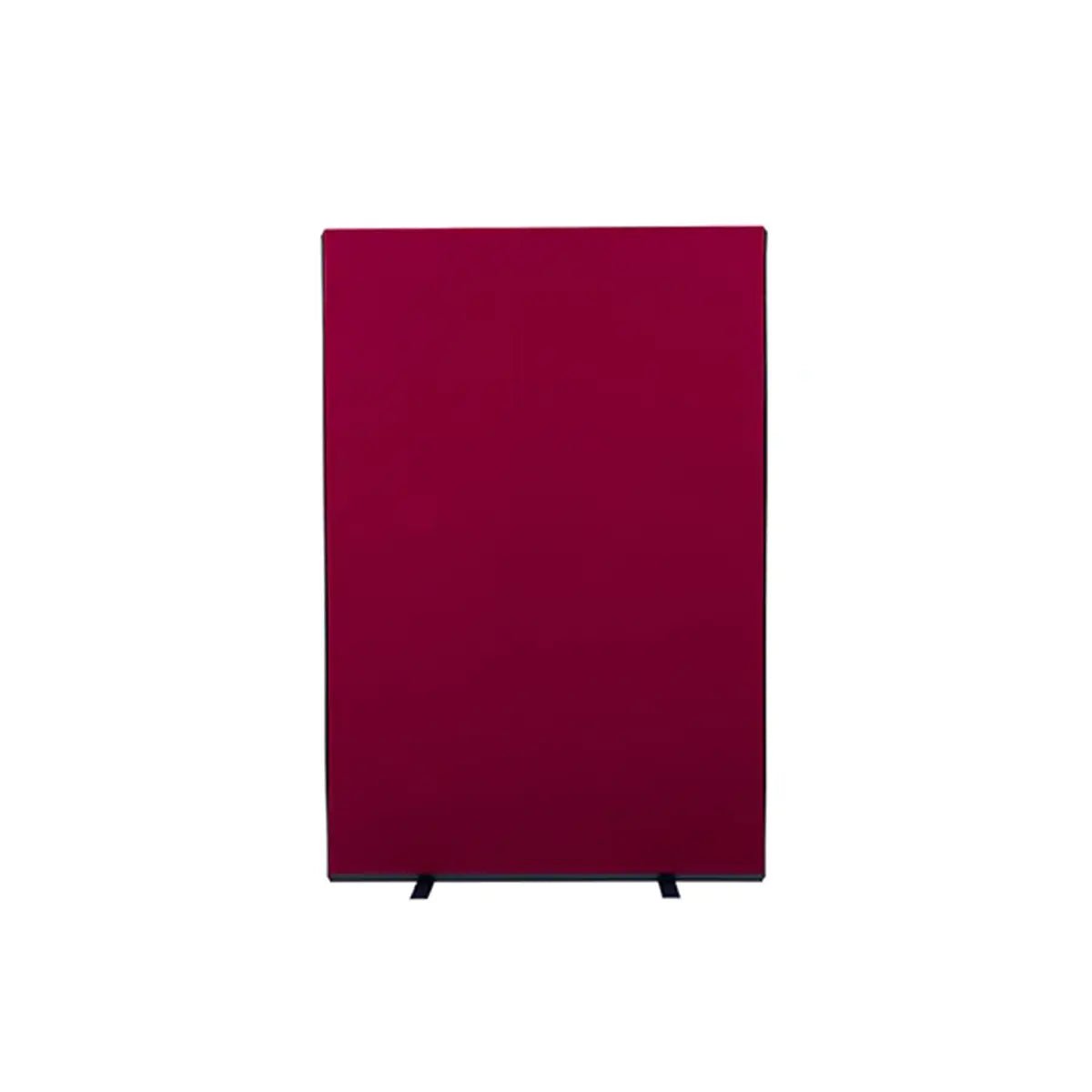
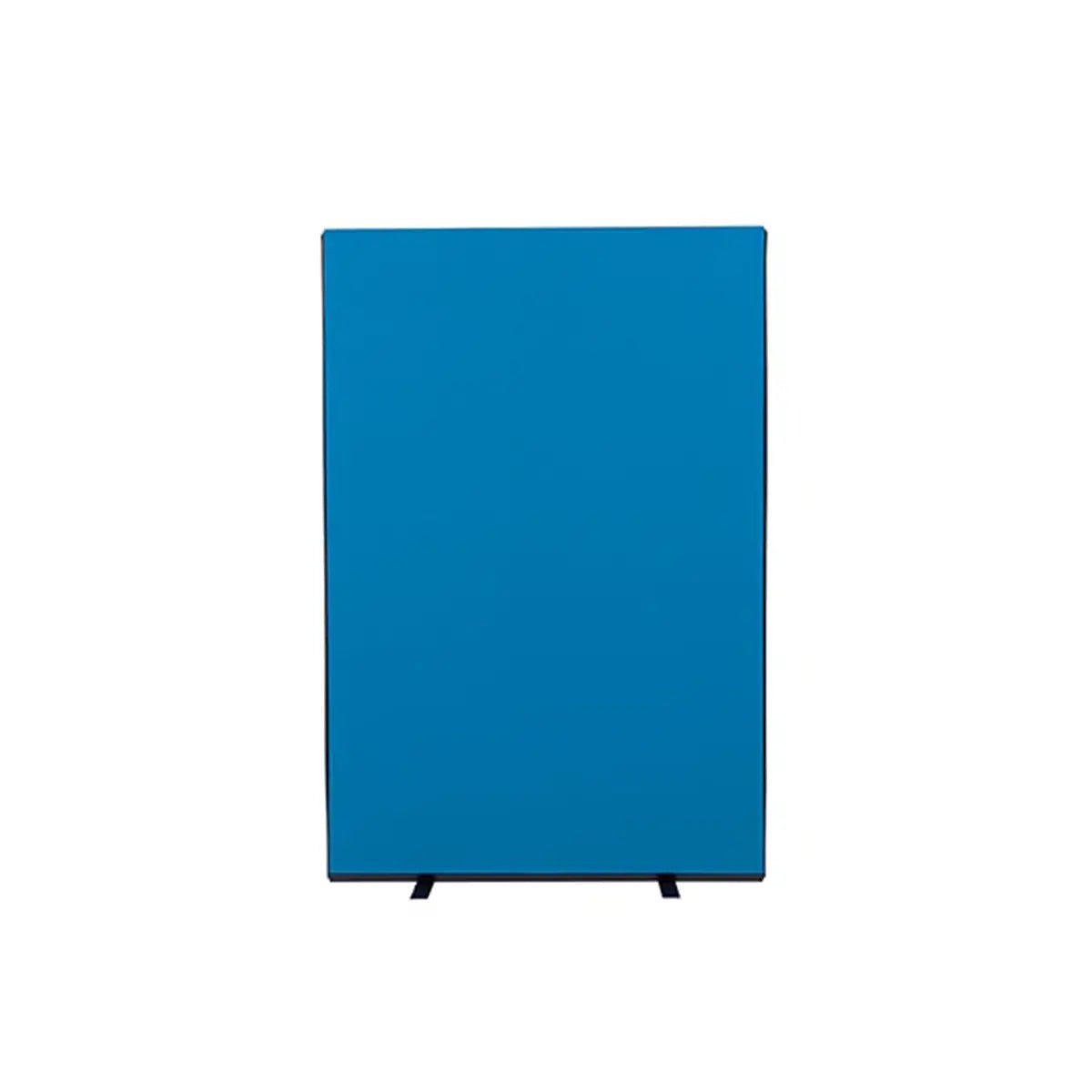
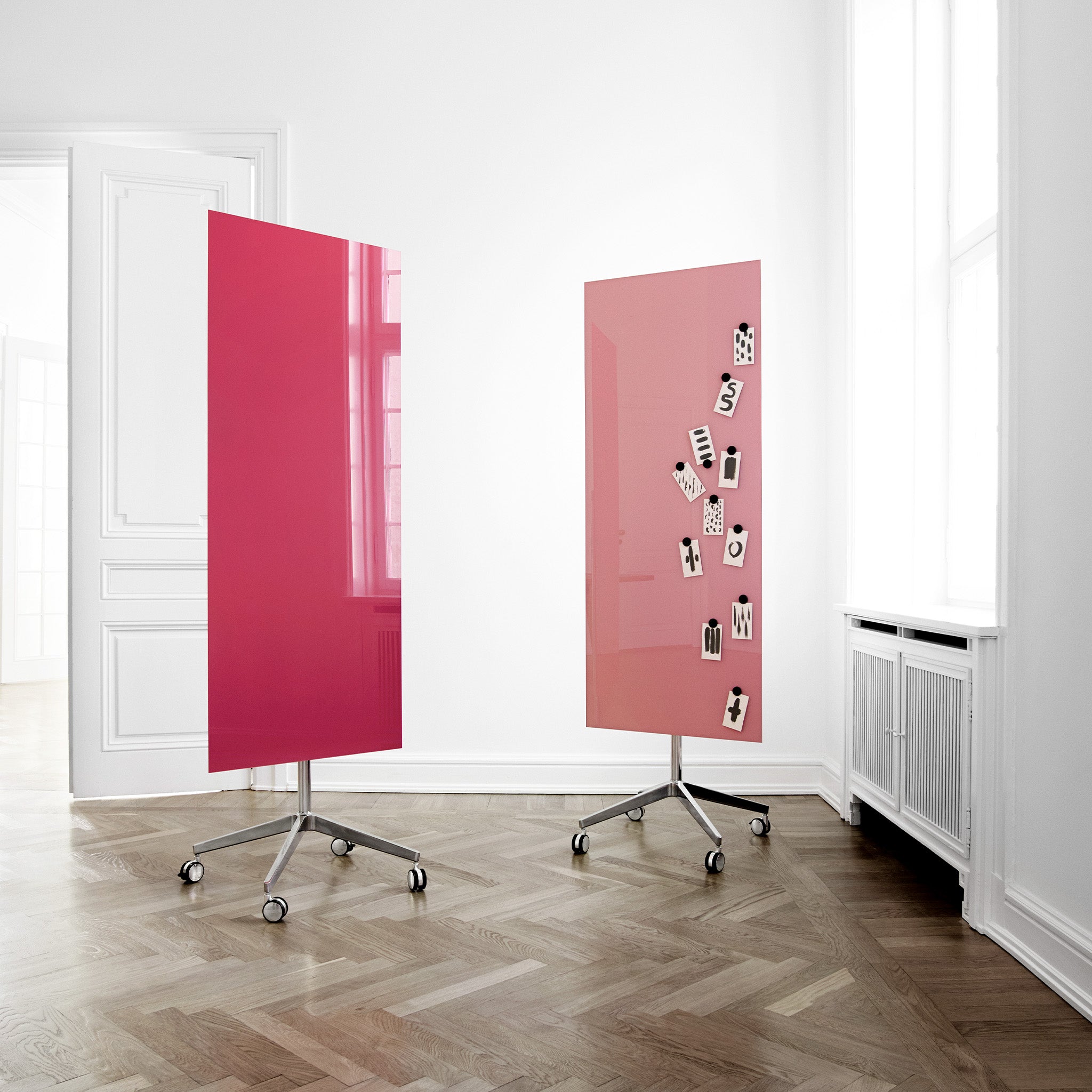
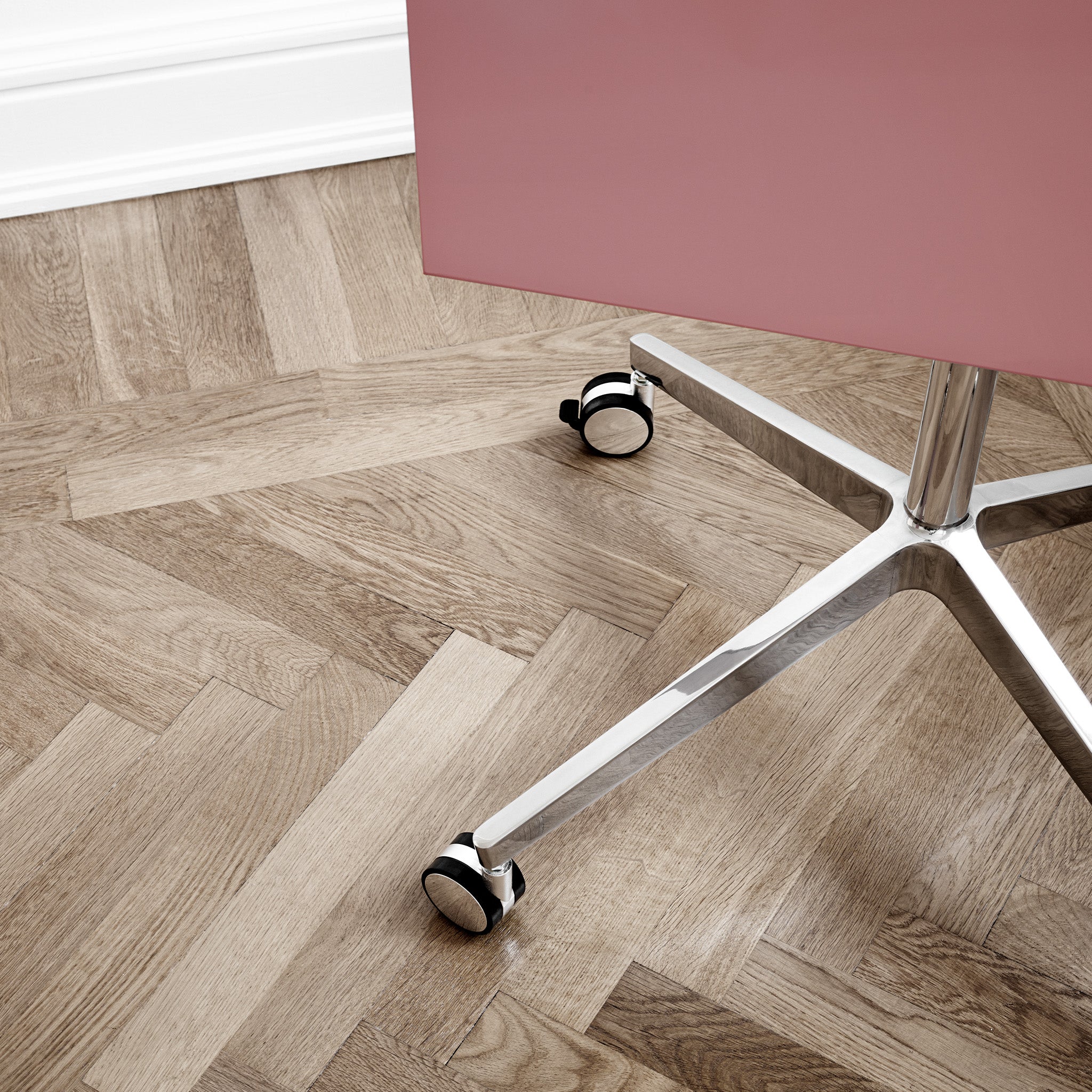
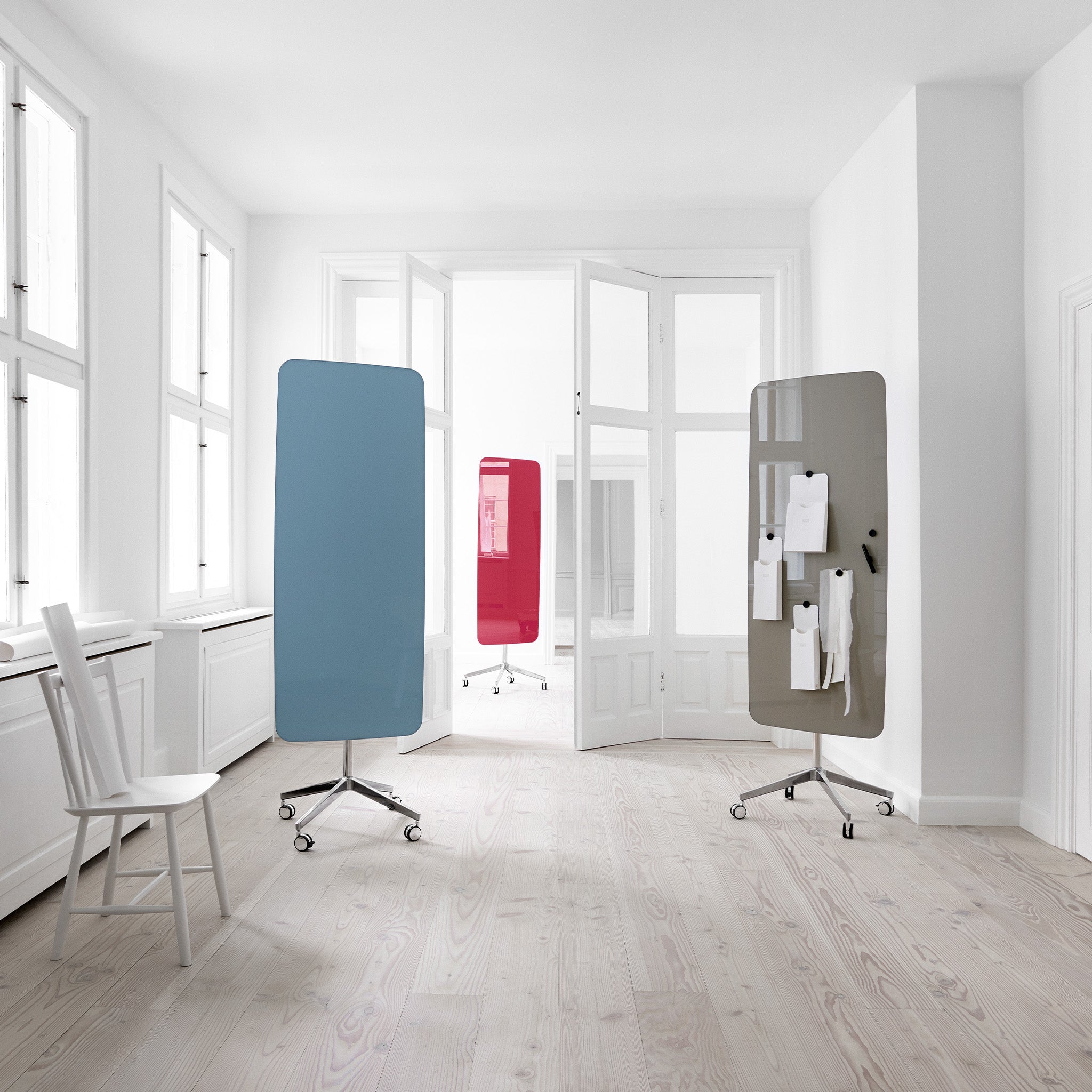
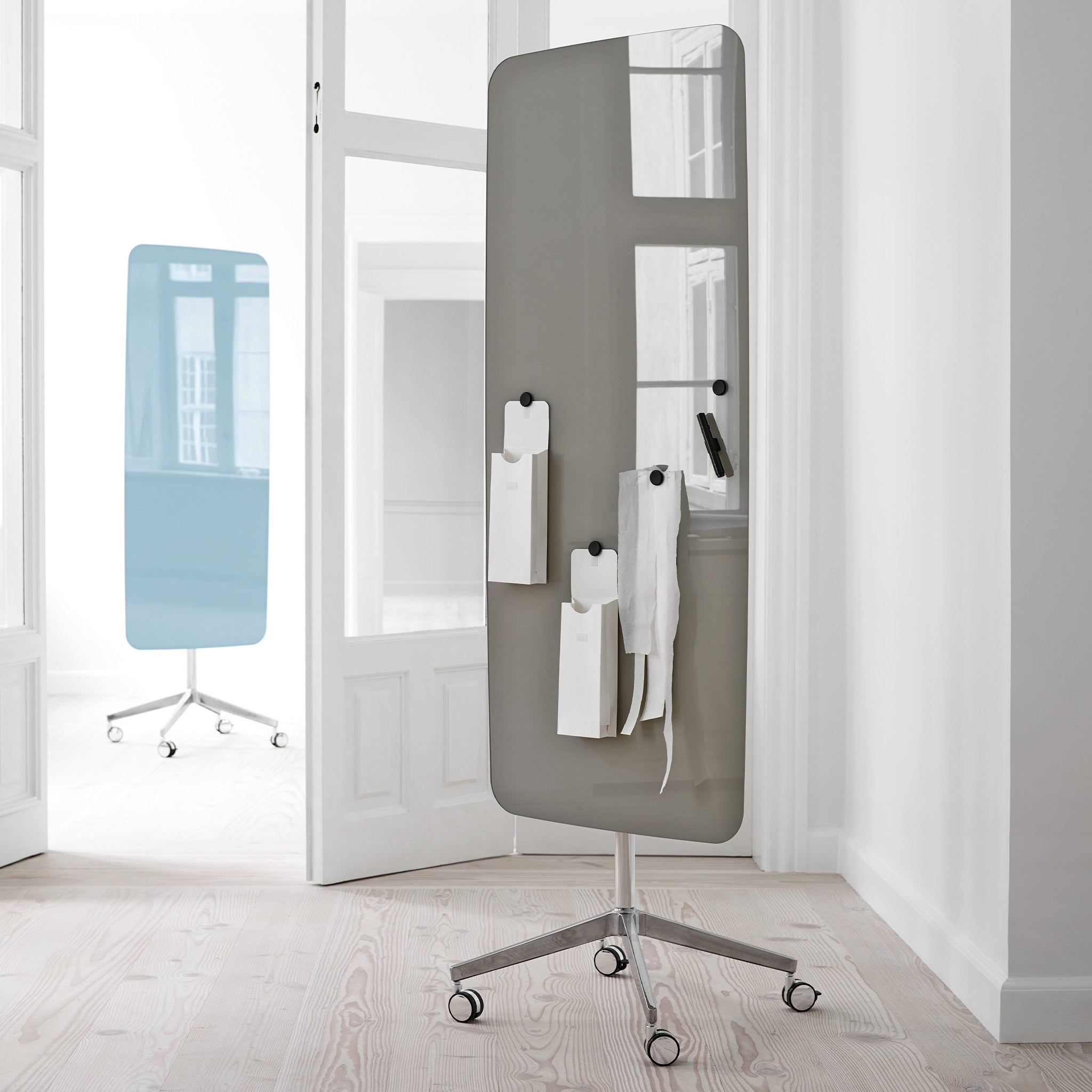


Quick answer: Mobile surfaces are whiteboards, notice boards and flipchart easels mounted on castors so you can wheel them wherever collaboration happens. Whether you need a double-sided rotating board for training rooms, a freestanding whiteboard on wheels for an agile office, or a magnetic flipchart easel for presentations, this collection has a model to suit every space and budget.
Mobile whiteboards: rotating vs fixed panels
The single biggest choice with a mobile whiteboard is whether you need the panel to rotate. Here is how to decide:
- Rotating mobile whiteboards give you a writable surface on both faces, and a quick flip reveals a clean side mid-session. They suit training rooms and workshops where presenters and participants both need visible writing space. Browse our rotating magnetic mobile whiteboards for single-post and twin-post rotating options.
- Fixed panel mobile whiteboards are lighter, lower in cost and easier to move around a single space. They are the right call for offices, classrooms and healthcare settings where one side is sufficient. See the fixed magnetic mobile whiteboards range for sizes from 900 mm to 2,400 mm wide.
All boards in this collection use a lacquered steel writing surface, so they are fully magnetic as well as dry-erase. Ghost-resistant surfaces carry a longer lifespan guarantee than economy boards.
Mobile notice boards
Not every portable surface needs to be writable. A mobile notice board gives you a fabric pinboard on castors, ready to display schedules, policy documents, artwork or wayfinding without a single fixing in the wall. They are especially popular in schools, reception areas and event venues where display needs change from day to day.
Look for a deep fabric covering, sturdy aluminium framing and lockable castors if the board will be left unattended in a public area.
Flipchart easels: fixed height and adjustable
Flipchart easels combine a magnetic writing surface with a paper-pad holder, making them the compact choice for meeting rooms and training sessions on the go.
- The magnetic flipchart easel (fixed height) is a no-fuss option for consistent presentation environments. It holds a standard A1 flipchart pad and gives you a dry-erase magnetic surface behind the pad.
- The adjustable height magnetic flipchart with arm extensions and castors accommodates standing and seated audiences and suits venues that host a mix of presentation styles. Arm extensions allow wider flip pads.
Both models include lockable rubber-tyred castors and an accessory tray for markers and erasers.
Where mobile surfaces work best
A fixed wall board is more cost-effective in a dedicated boardroom. Mobile boards earn their place in situations like these:
- Agile offices and hot-desking floors where teams form and dissolve quickly and no single space is "theirs".
- Schools and colleges where a board needs to move between classrooms, corridors and halls for events.
- Healthcare settings including wards and therapy rooms where layouts change with patient requirements.
- Exhibition halls and event spaces where branding, signage and session content need repositioning between slots.
- Warehouses and production floors where a daily standup board needs to live next to the team, not in a distant meeting room.
Castors, stability and what to look for
Castors determine how safe and practical a mobile board is in daily use. Key points to check before buying:
- Locking castors on at least two wheels are essential if the board will be written on while standing upright. Look for a foot-operated lock that can be engaged without bending down.
- Rubber-tyred vs hard castors: rubber tyres protect hard floors and reduce noise. Hard castors are only appropriate on carpet.
- Base width: a wider H-frame or star-base keeps a tall board stable. Boards over 1,500 mm wide or 1,800 mm tall need a wide-stance frame to resist tipping during use.
- Weight capacity: twin-panel rotating boards are heavier. Confirm the total weight matches your floor loading, particularly on raised access floors.
Free UK delivery is available on qualifying orders. Contact our team if you need a site survey or advice on the right configuration for your space.
Frequently asked questions
What is the difference between a rotating and a fixed mobile whiteboard?
A rotating mobile whiteboard has a panel mounted on a central pivot so it spins to reveal a second writable face, doubling your usable surface without moving the board. A fixed mobile whiteboard has a single panel that does not rotate. Rotating boards cost more and weigh more but are the better choice for training and group-working environments where both sides will be used.
Are mobile whiteboards magnetic?
All mobile whiteboards in this collection use a lacquered steel surface, which means they are fully magnetic. You can use standard dry-erase magnets to hold notes, cards or printed materials directly on the board without blu-tack or tape.
Can I use a flipchart easel as a whiteboard?
Yes. The magnetic flipchart easels in this collection include a dry-erase lacquered steel surface behind the flipchart arm. You can write directly on the board, clip a pad onto the arm for paper-based notes, or do both at the same time. The two surfaces work independently.
What size mobile whiteboard do I need?
For a group of up to eight people seated around a table, a 1,200 mm x 900 mm board is the minimum. For standing presentations to groups of 10 or more, 1,800 mm x 1,200 mm is the practical minimum so that writing is visible from the back of the room. If the room is narrow or the board will be moved through standard doorways frequently, check that the folded width fits through a 760 mm door opening.
Do mobile boards work on carpet as well as hard floors?
Boards fitted with rubber-tyred castors roll on both carpet and hard floors, though rolling is heavier on thick pile carpet. If the board will spend most of its time on carpet, confirm the castor type with our team before ordering, as some base frames are available with hard castors that roll more freely on soft surfaces.
Is free delivery available on mobile whiteboards?
Free UK delivery is available on qualifying orders. Delivery terms are shown at checkout. Large and heavy items such as twin-panel rotating boards may require a ground-floor or kerbside drop-off; contact us before ordering if you need delivery to an upper floor without lift access.