

Collection: Writing Wall

Recommended Writing Walls
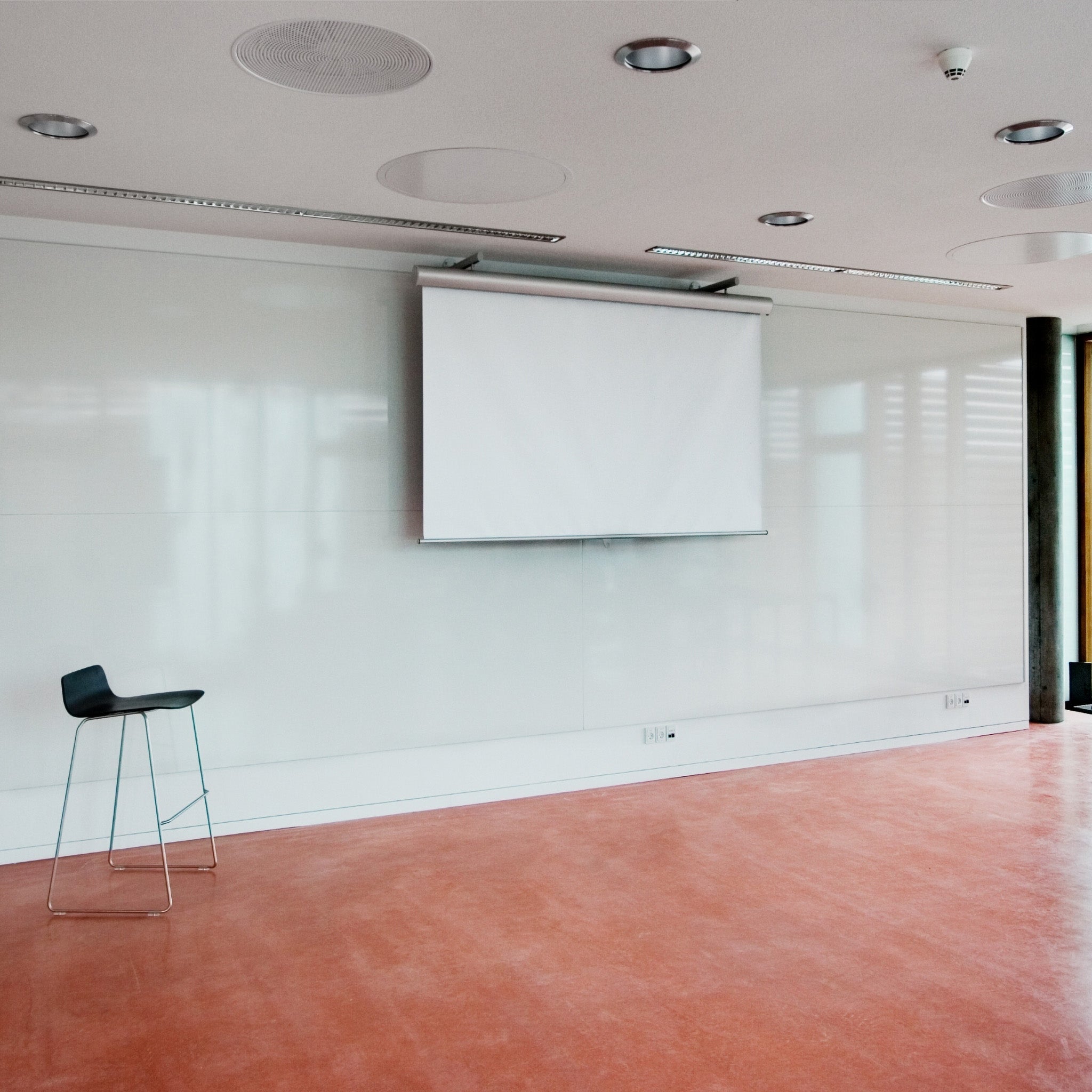

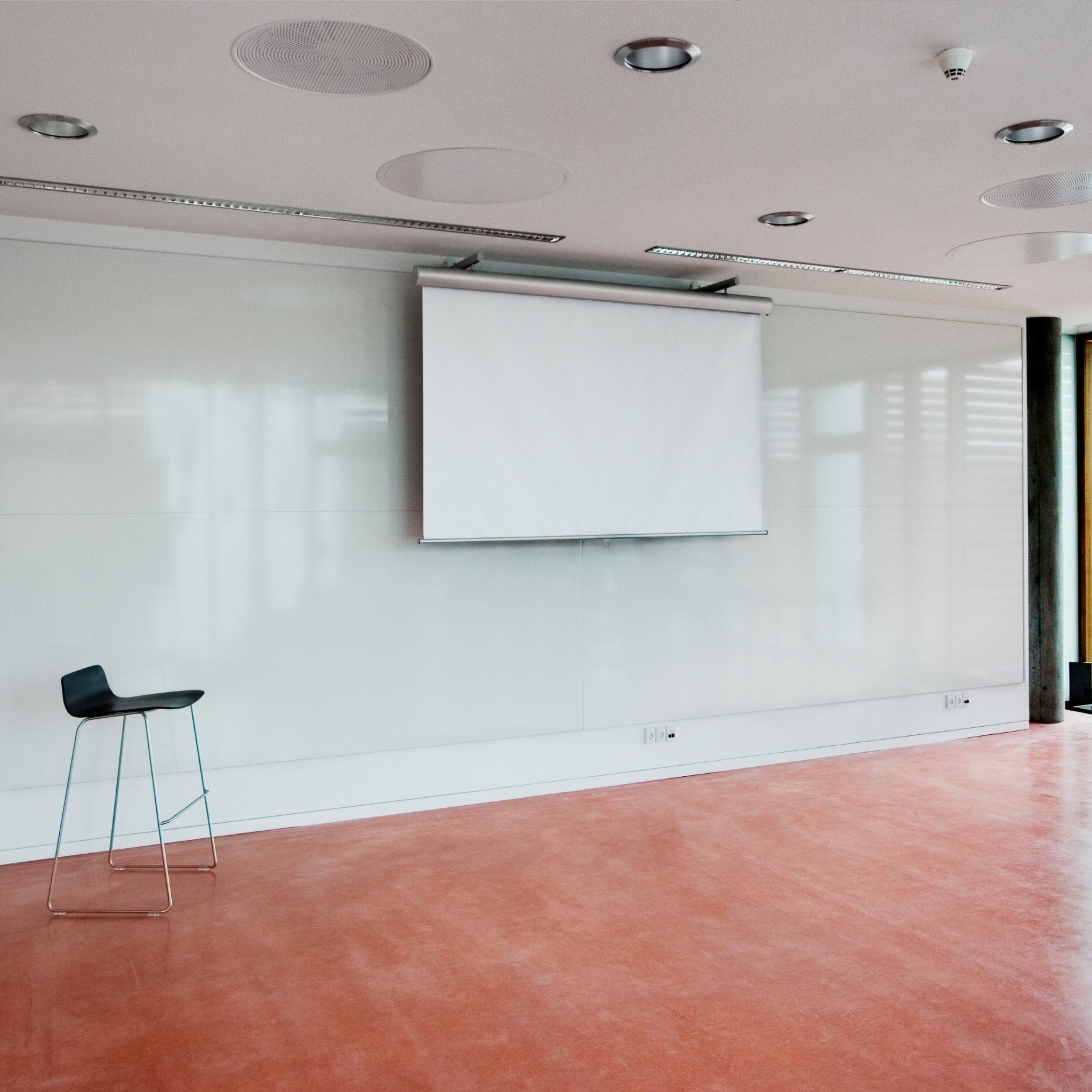

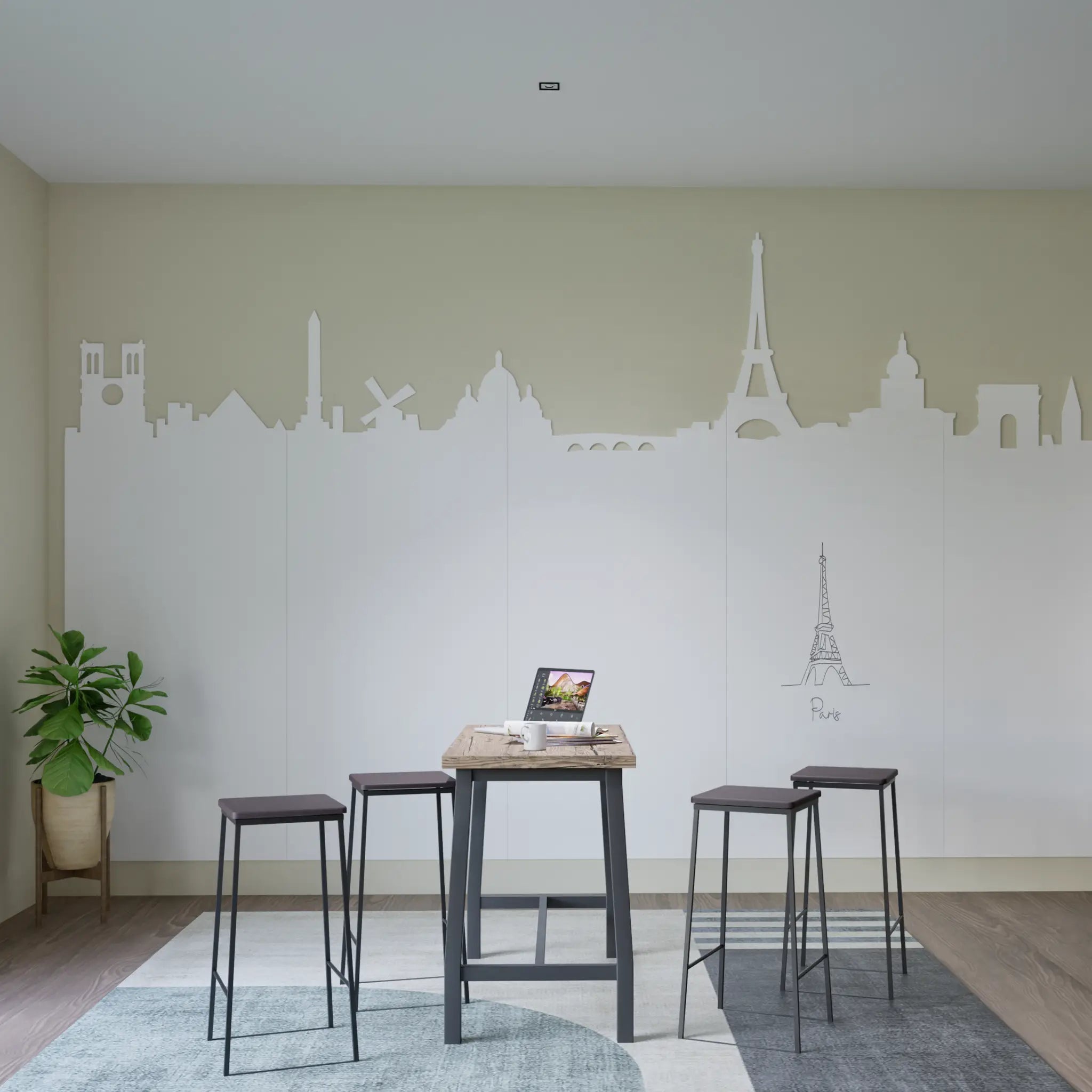
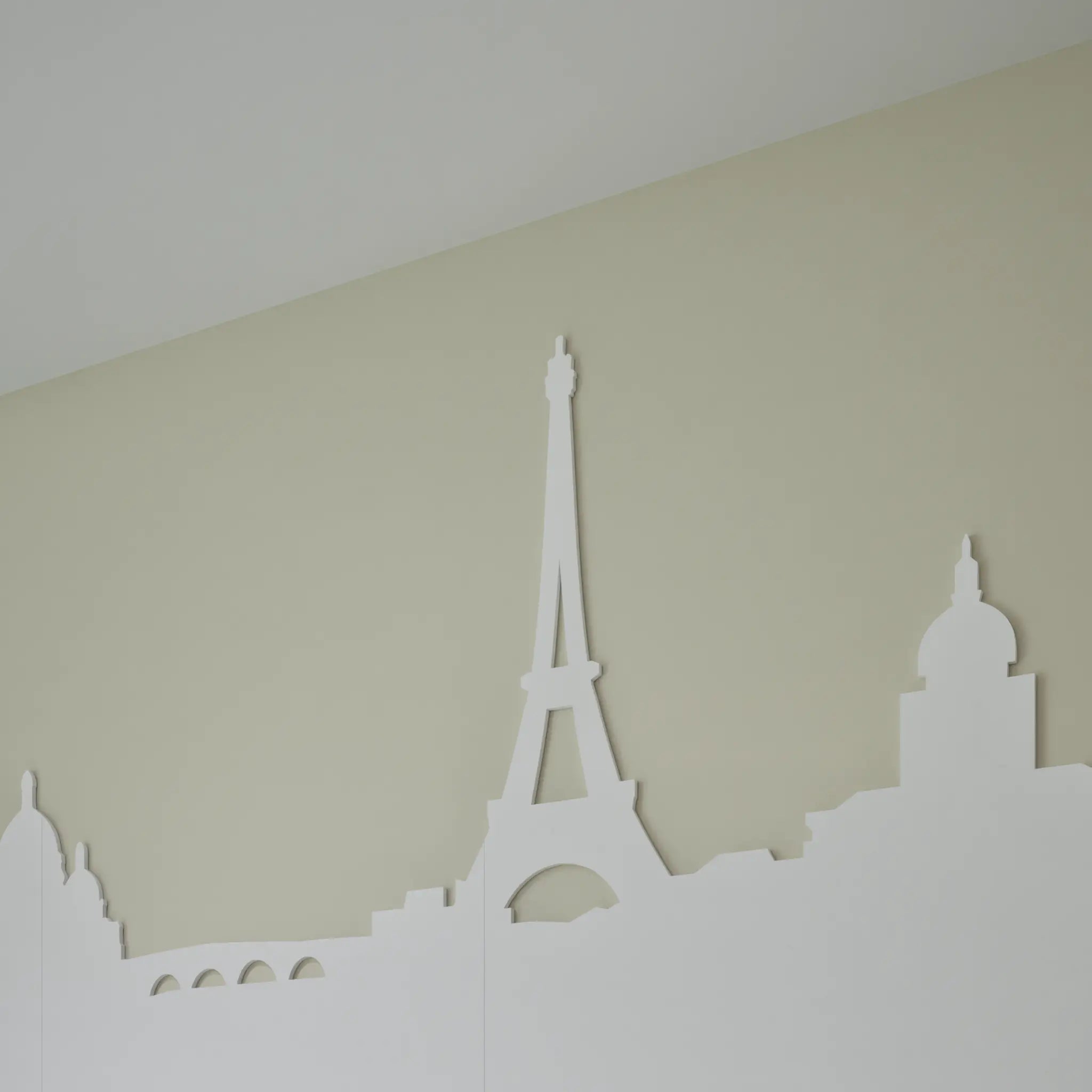
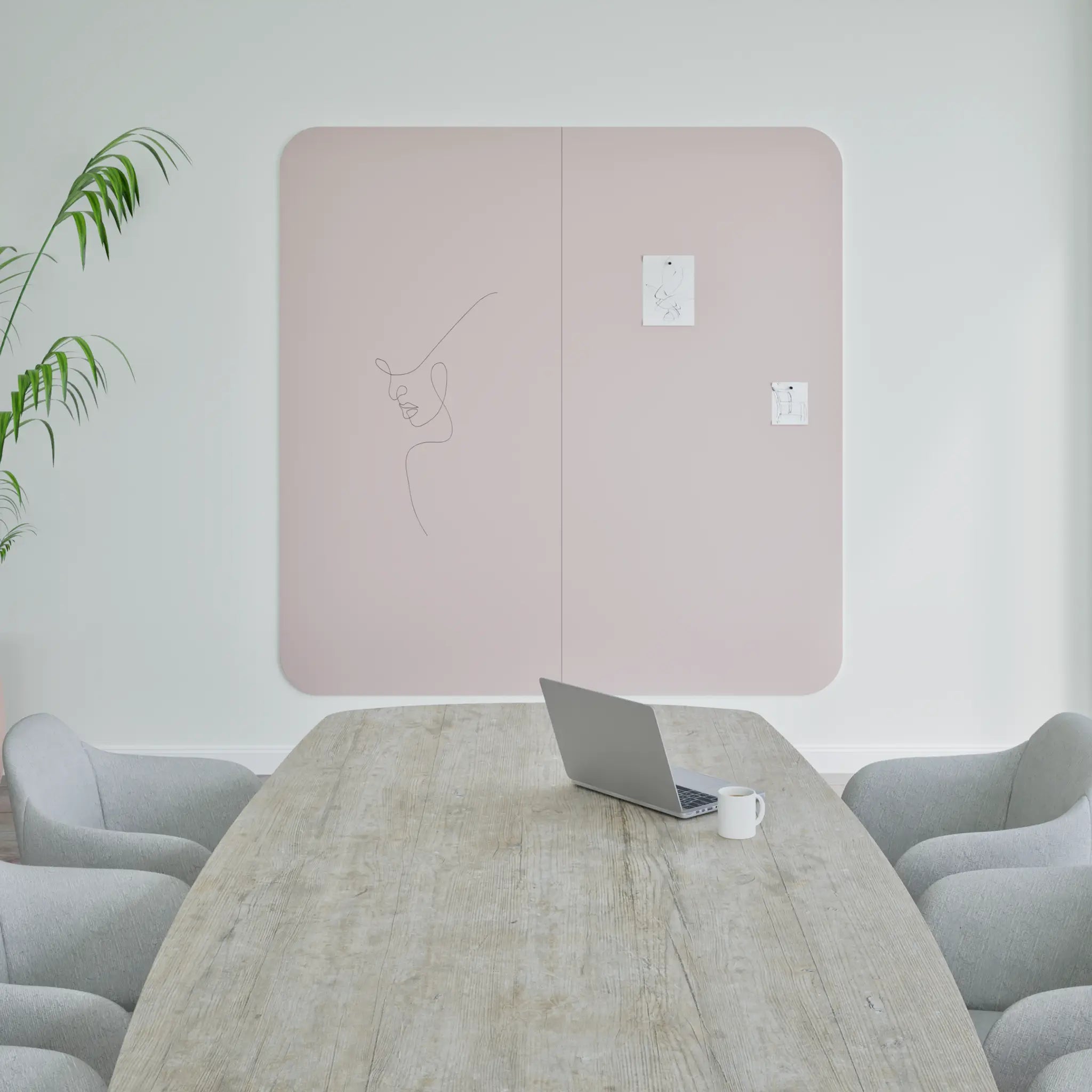
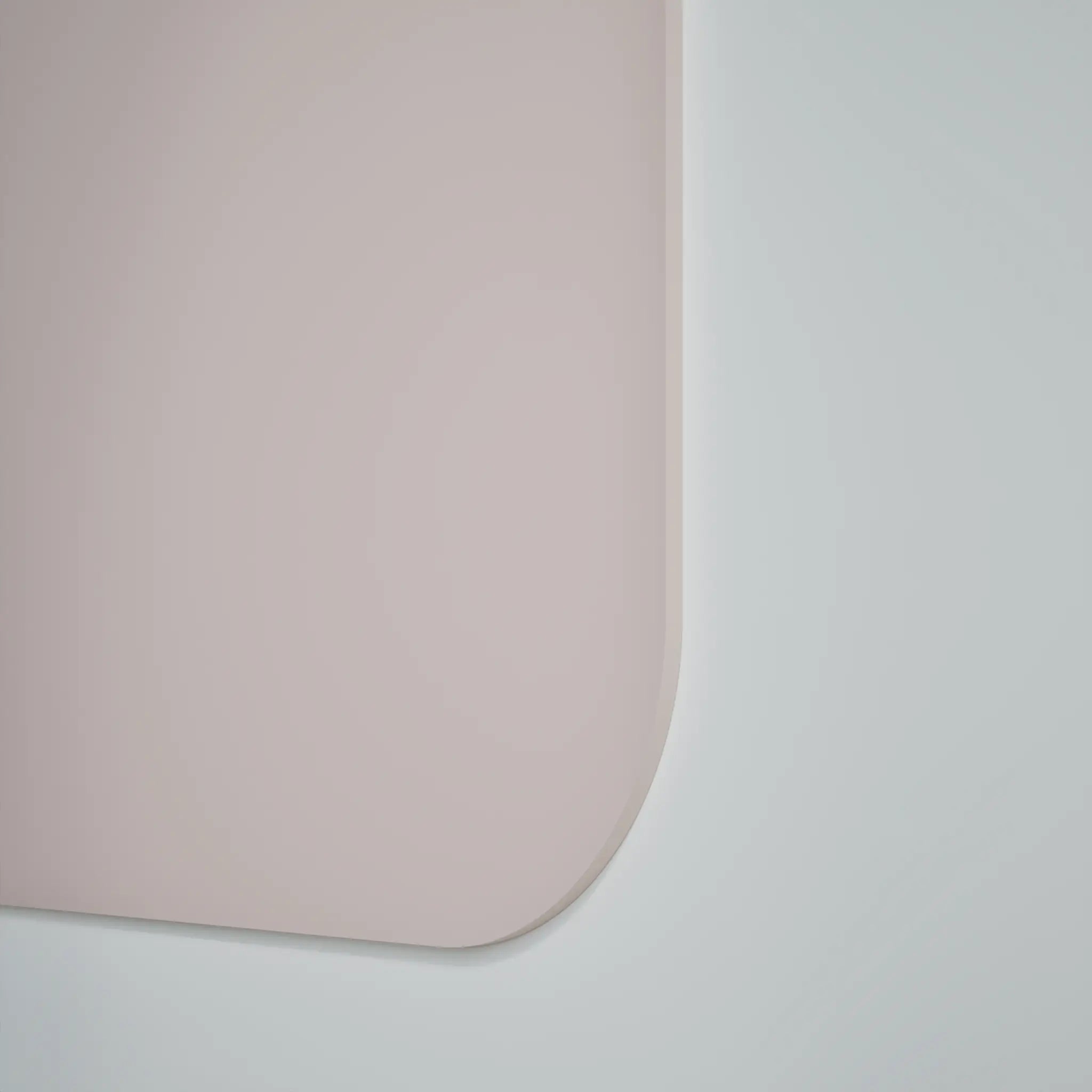
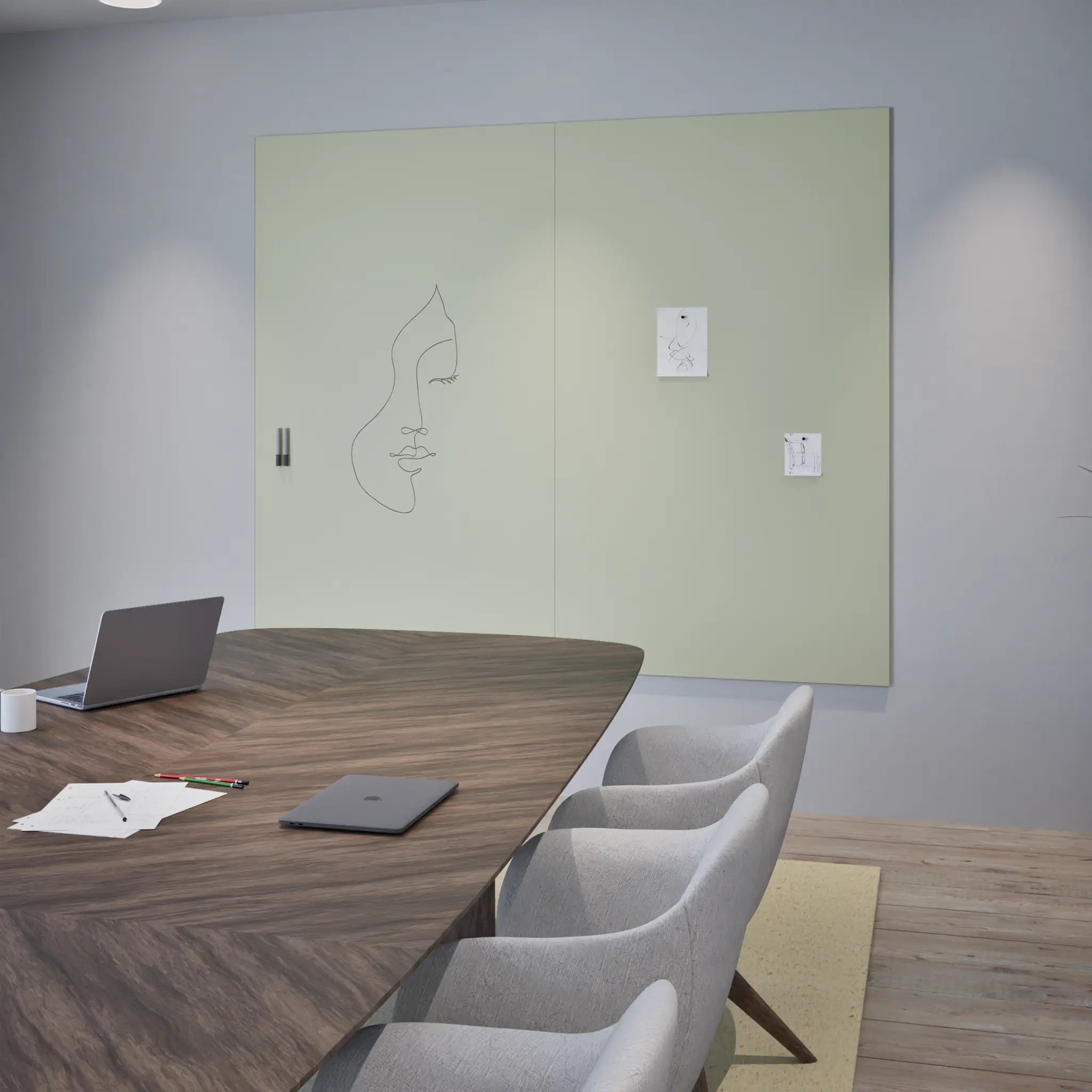
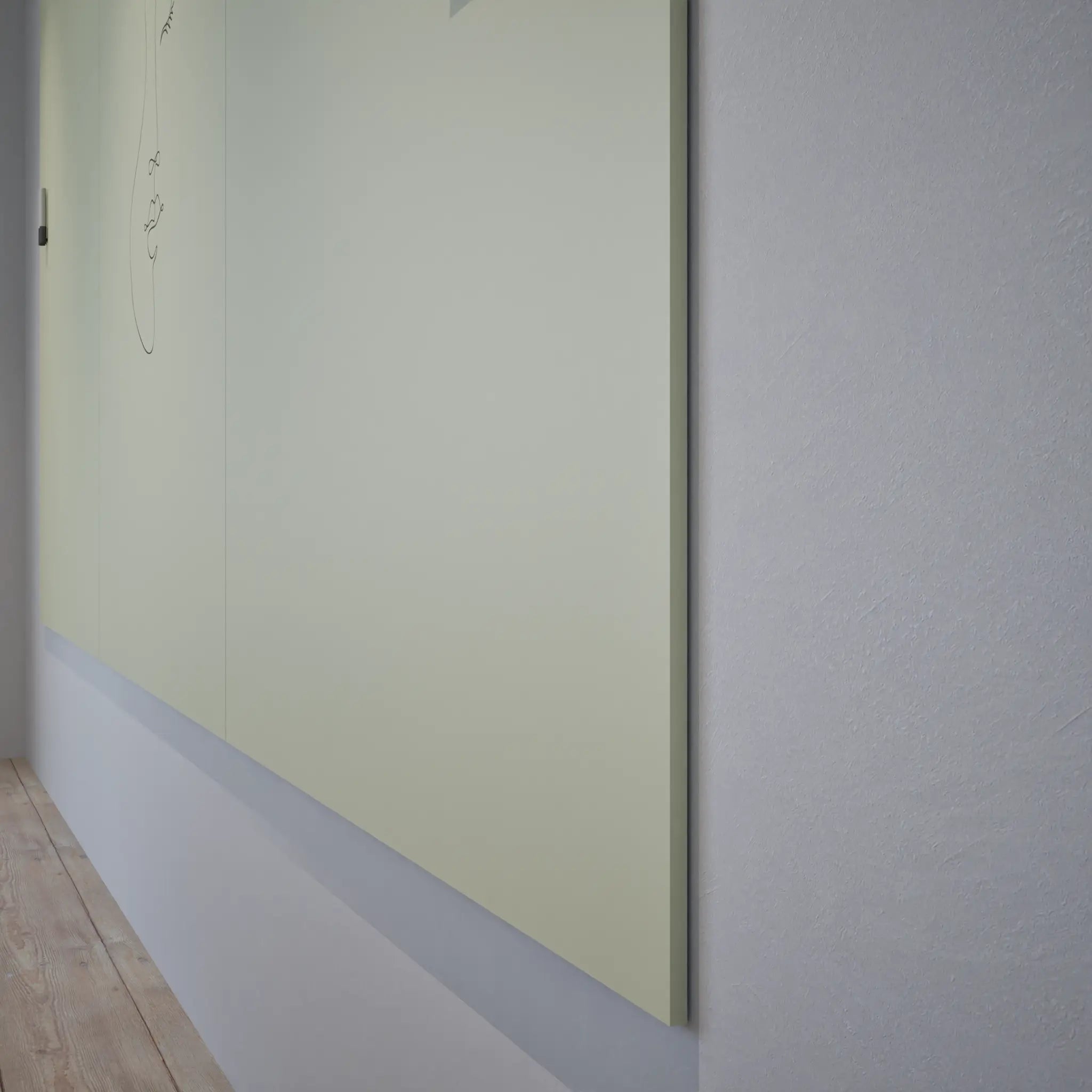
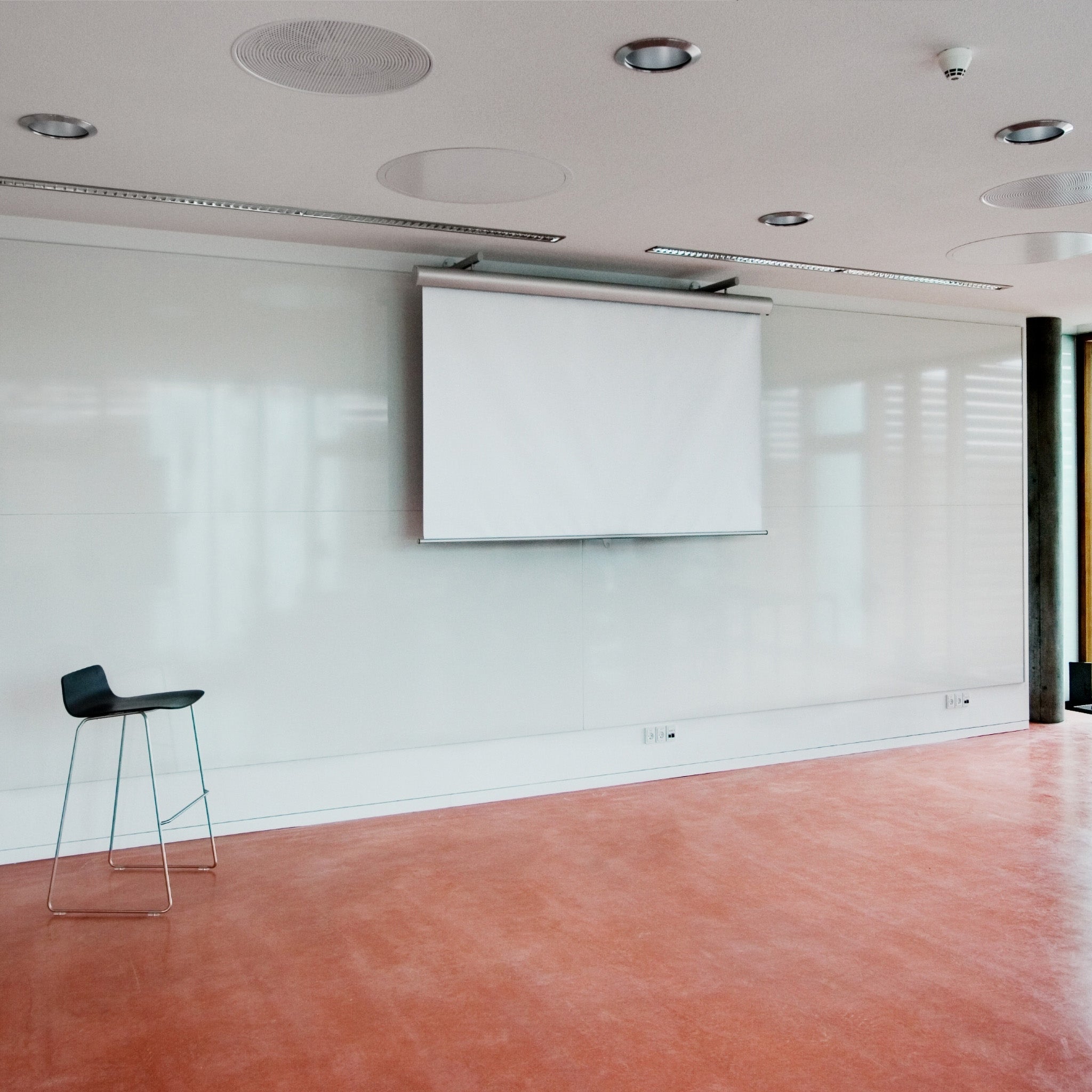

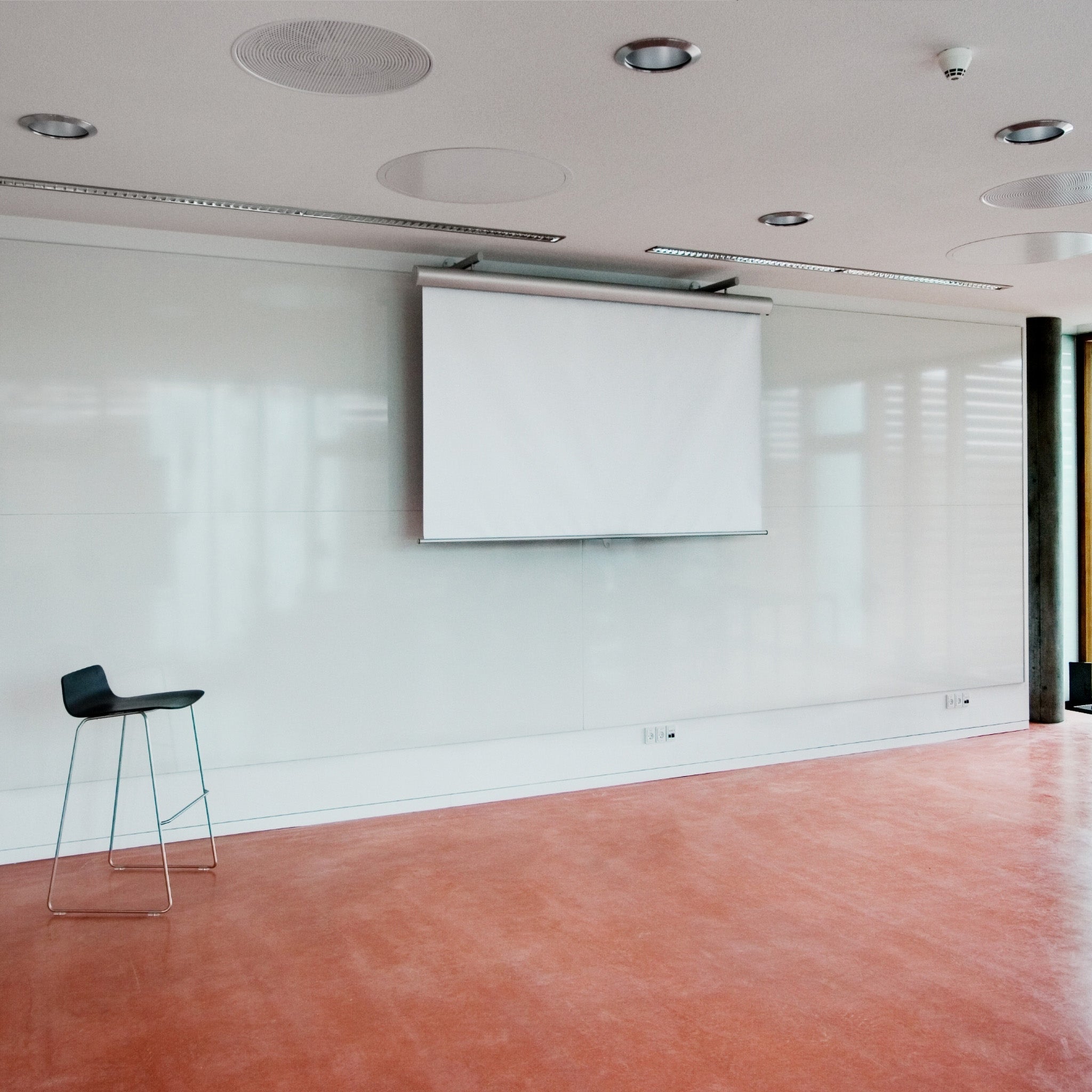

Quick answer: A writing wall is a floor-to-ceiling or panel-width dry-wipe or chalk surface that turns an entire wall into a writable area. Presentation Spaces supplies continuous writing walls in framed and unframed formats, dry-wipe and chalkboard finishes, and magnetic variants, with free UK delivery available. Sizes are fully configurable to fit your space.
What is a writing wall?
A writing wall replaces a standard board with a continuous writable surface that spans as much of your wall as you need. Rather than a fixed-size whiteboard hung at one point, a writing wall is specified by width and height, installed panel by panel, and covers the full run of a wall if required.
The result is a workspace where multiple people can write simultaneously, ideas stay visible across a long surface, and there is no awkward gap between boards. Writing walls are popular in open-plan offices, agile working spaces, design studios, and classrooms where collaboration is a daily requirement rather than an occasional event.
The core products in this collection include the dry-wipe continuous framed writing wall, the continuous unframed writing wall, the chalkboard continuous framed writing wall, and the Chameleon custom whiteboard wall.
Framed vs unframed writing walls
The choice between a framed and unframed writing wall is largely about aesthetics and installation preference. Both deliver the same continuous writable surface.
- Framed writing walls have an aluminium perimeter frame that defines the edge of each panel and gives a clean, finished look on the wall. The frame makes individual panels easier to handle during installation and provides a rigid structure that sits slightly proud of the plasterboard. The dry-wipe continuous framed writing wall is the most widely specified option for offices and meeting rooms.
- Unframed writing walls bond directly to the wall surface with no visible frame, creating a genuinely flush finish. This suits minimalist interiors where the writing surface should read as part of the wall rather than an object on it. The continuous unframed writing wall is a popular choice for design-led studios and refurbished offices.
Dry-wipe vs chalkboard writing walls
Most writing walls are supplied as dry-wipe surfaces, which accept standard whiteboard markers and wipe clean with a dry cloth or standard eraser. This is the right choice for most offices, meeting rooms, and agile workspaces.
A chalkboard writing wall uses a chalk or liquid chalk finish and is more commonly specified in schools, creative studios, cafes, and hospitality settings where the visual character of chalk suits the environment. Liquid chalk markers produce a vibrant, smear-resistant line and clean off easily with a damp cloth.
The chalkboard continuous framed writing wall is available in the same continuous panel format as the dry-wipe range, so the two options are directly comparable in terms of coverage and installation.
Magnetic writing walls
A magnetic writing wall combines a dry-wipe surface with a steel substrate that holds standard magnets. This turns the wall into a combined whiteboard and display surface: you can write notes, stick up documents, move cards around a planning grid, and remove everything cleanly without any fixings in the plasterboard.
Magnetic functionality is particularly valued in agile project spaces, sprint rooms, and classrooms where planning tools such as Kanban cards, timetables, and printed resources need to be visible alongside written content. The Chameleon custom whiteboard wall is the flagship option here, configurable to your exact dimensions and available with a magnetic surface.
Not every dry-wipe writing wall includes a magnetic layer, so check the product specification if magnetism is a requirement. Adding magnets to a non-magnetic surface is not possible after installation.
Sizing and configuration
Writing walls are sold as continuous panels that combine to fill a given wall width. Common configurations run from 1200 mm to 4800 mm wide, and most panels are available in standard heights of 1200 mm or 2400 mm. Bespoke sizing is available to order for non-standard wall dimensions or where a specific height is needed to clear skirting boards, dado rails, or ceiling beams.
When sizing a classroom writing wall, a minimum width of 2400 mm is generally recommended so that multiple students can work side by side. For office sprint rooms and project spaces, 3000 mm to 4800 mm is a common brief.
If your wall has an unusual run or you are trying to match an existing fitout, the Chameleon custom whiteboard wall can be cut to precise dimensions, giving you a perfectly fitted surface without the compromise of working around standard panel widths.
Frequently asked questions
What is a dry wipe wall?
A dry wipe wall is a continuous writable surface installed across a full wall or a defined section of it, using the same dry-erase coating as a standard whiteboard. You write on it with whiteboard markers and wipe it clean with a dry cloth or eraser. Unlike a framed whiteboard, a dry wipe wall has no fixed size limit, so it can run from corner to corner if required.
Can a writing wall be magnetic?
Yes. Magnetic writing walls use a steel backing sheet behind the writable surface so that standard magnets hold directly to the wall. The Chameleon custom whiteboard wall includes a magnetic layer, letting you combine writing with the ability to pin documents, planning cards, and printed materials.
What is the difference between a framed and unframed writing wall?
A framed writing wall has an aluminium perimeter frame that edges each panel, giving a defined border and a neat finish that sits slightly proud of the wall. An unframed writing wall bonds flush to the surface with no visible frame, creating a cleaner, more integrated appearance. Both options provide the same continuous dry-wipe area; the choice is mainly aesthetic and depends on the style of the room.
Are writing walls suitable for classrooms?
Yes. A classroom writing wall allows multiple students to work simultaneously, which supports collaborative learning and group problem-solving. The continuous surface also means the teacher is not restricted to a single board position at the front of the room. A dry-wipe surface with a magnetic layer is the most versatile classroom option, as it doubles as a display surface for printed resources and magnetic letters or numbers.
How do I clean a writing wall?
For everyday use, a dry cloth or whiteboard eraser is sufficient. For a deeper clean, use a purpose-made whiteboard cleaner or isopropyl alcohol on a lint-free cloth. Avoid abrasive pads, which can scratch the surface and shorten its usable life. Chalkboard writing walls should be cleaned with a damp cloth rather than a dry eraser to avoid chalk dust build-up on the surface.
Is free delivery available on writing walls?
Free UK delivery is available on writing wall orders. Check the individual product page for current delivery options and lead times, as larger or bespoke configurations may have different delivery arrangements to standard stocked panels.