

Collection: Whiteboards
Quick answer: Whiteboards from Presentation Spaces cover every surface type and budget, from everyday dry wipe whiteboards for offices and classrooms to premium vitreous enamel whiteboards built for decades of daily use. Choose from magnetic and non-magnetic options, projection-ready surfaces, and boards in sizes from A1 to 4800 mm wide.
Surface types: which whiteboard is right for your space?
The writing surface is the single most important factor in how a whiteboard performs over time. There are four main options, each suited to different settings and levels of use.
- Melamine - the entry-level choice. Ghost-prone after 12-18 months of heavy use. Suited to light home or temporary office use.
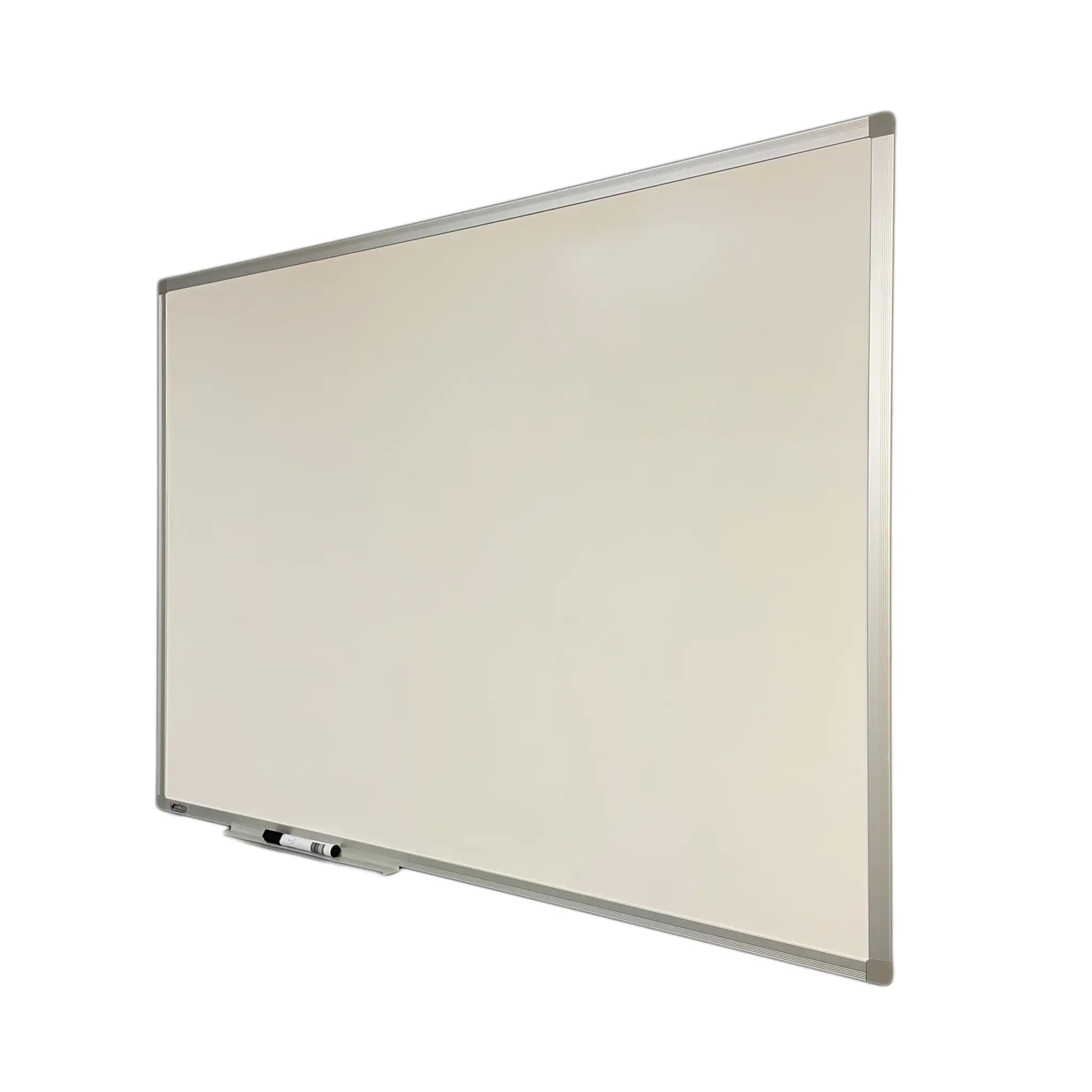
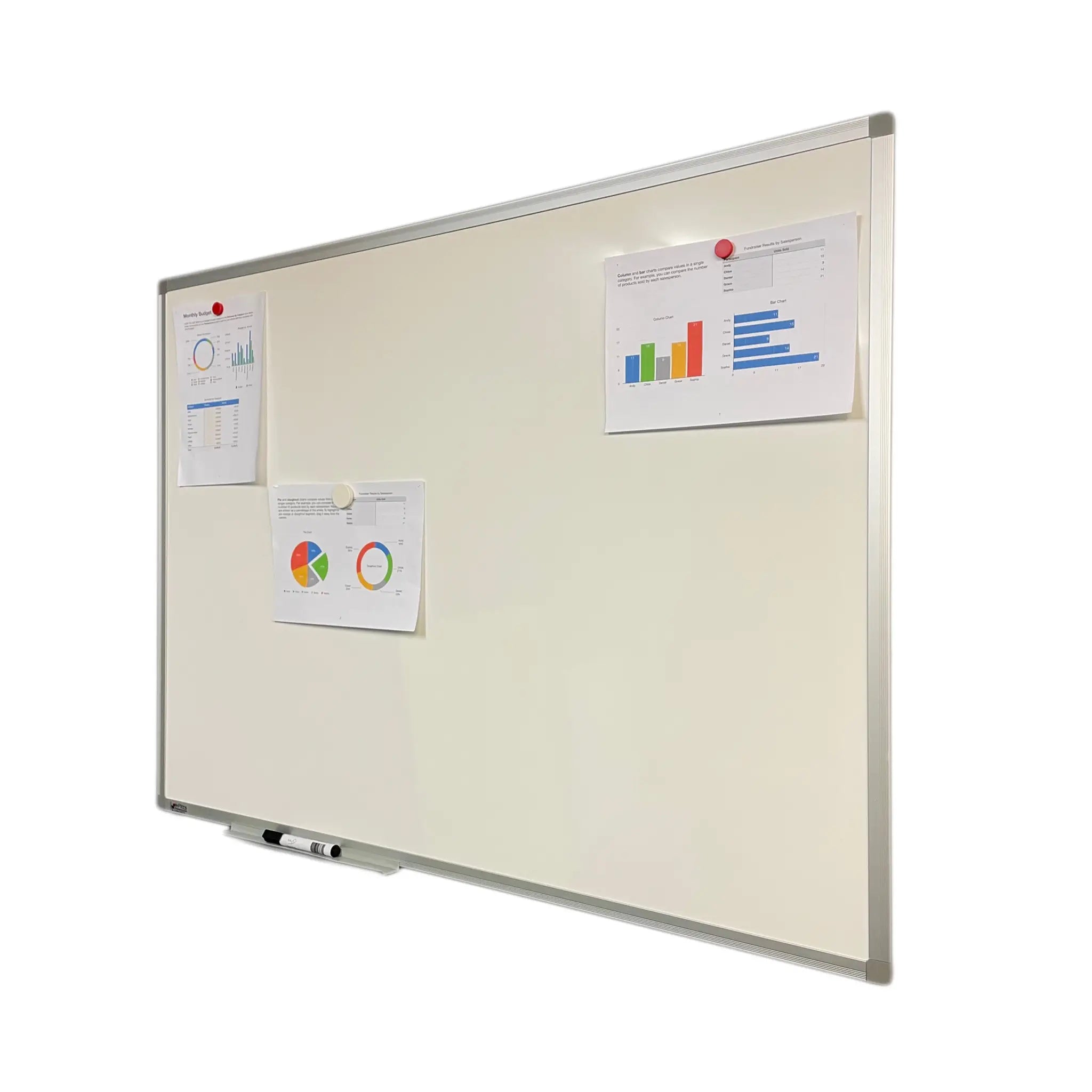
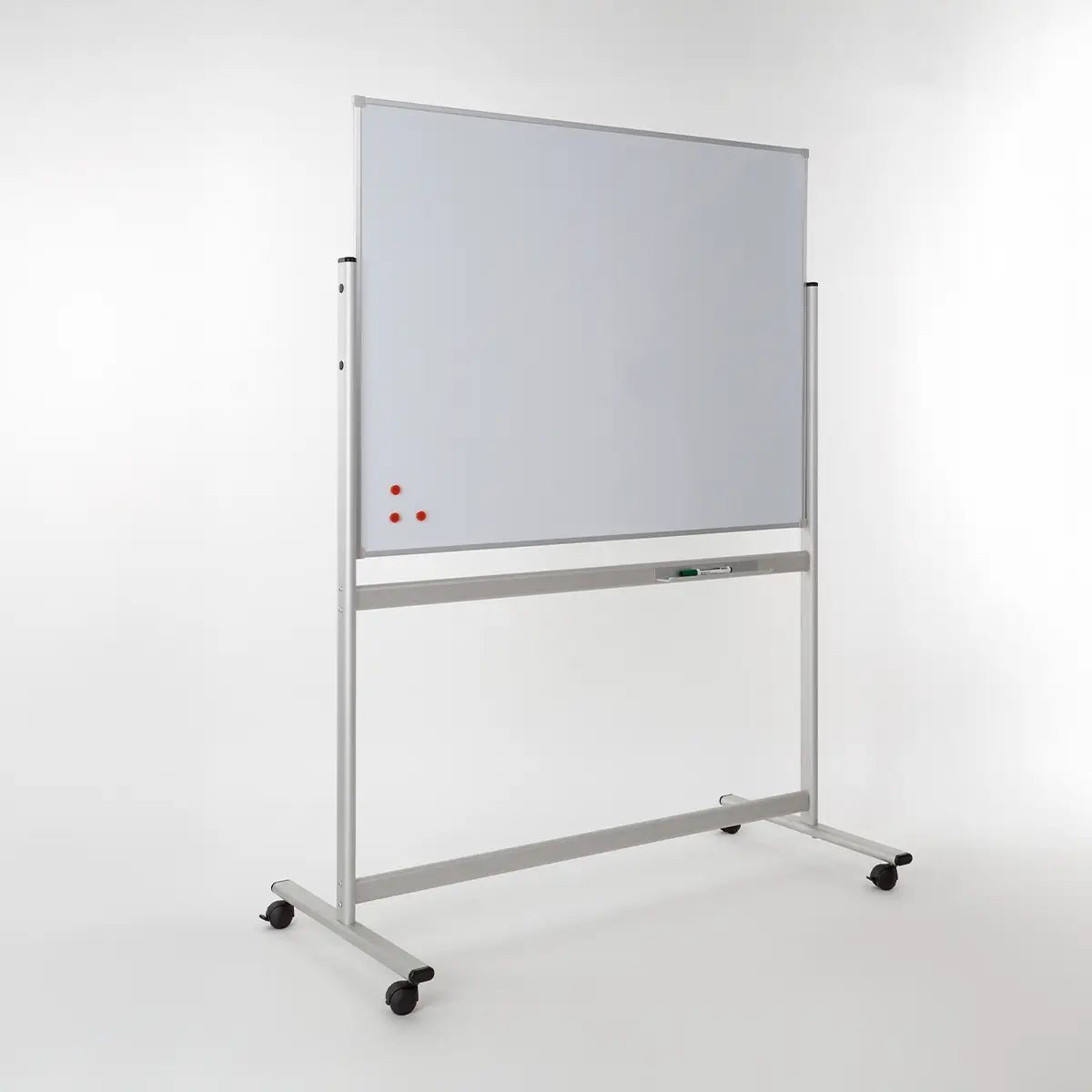
- Painted steel (dry wipe magnetic whiteboard) - the most popular option for offices and meeting rooms. The dry wipe magnetic whiteboard combines a smooth writing surface with magnetic functionality, so you can pin documents without a separate noticeboard.
- HPL (high-pressure laminate) - a tough mid-range surface, often specified where impact resistance matters. The non-magnetic HPL whiteboard is a cost-effective option where magnets are not needed.
- Vitreous enamel / ceramic steel - the professional standard for schools, universities, and boardrooms. A glass-fused coating baked onto steel at very high temperature: scratch-resistant, solvent-proof, and cleanable without degrading the surface. The Shell Board VES ceramic steel whiteboard is our benchmark product in this category, and the VES magnetic whiteboard with aluminium frame adds full magnetic capability to the same durable surface.
Magnetic or non-magnetic whiteboards?
Magnetic whiteboards let you pin documents, photos, and planning cards directly to the surface using standard magnets, replacing the need for a separate noticeboard. Most painted steel and all vitreous enamel boards are magnetic. Melamine boards are not.
If you need a clean, cost-effective writing surface without the magnetic layer, the non-magnetic HPL whiteboard offers excellent value. For a high-specification magnetic board with a premium frame finish, the VES magnetic whiteboard with aluminium frame is hard to beat.
Projection whiteboards: write on screen
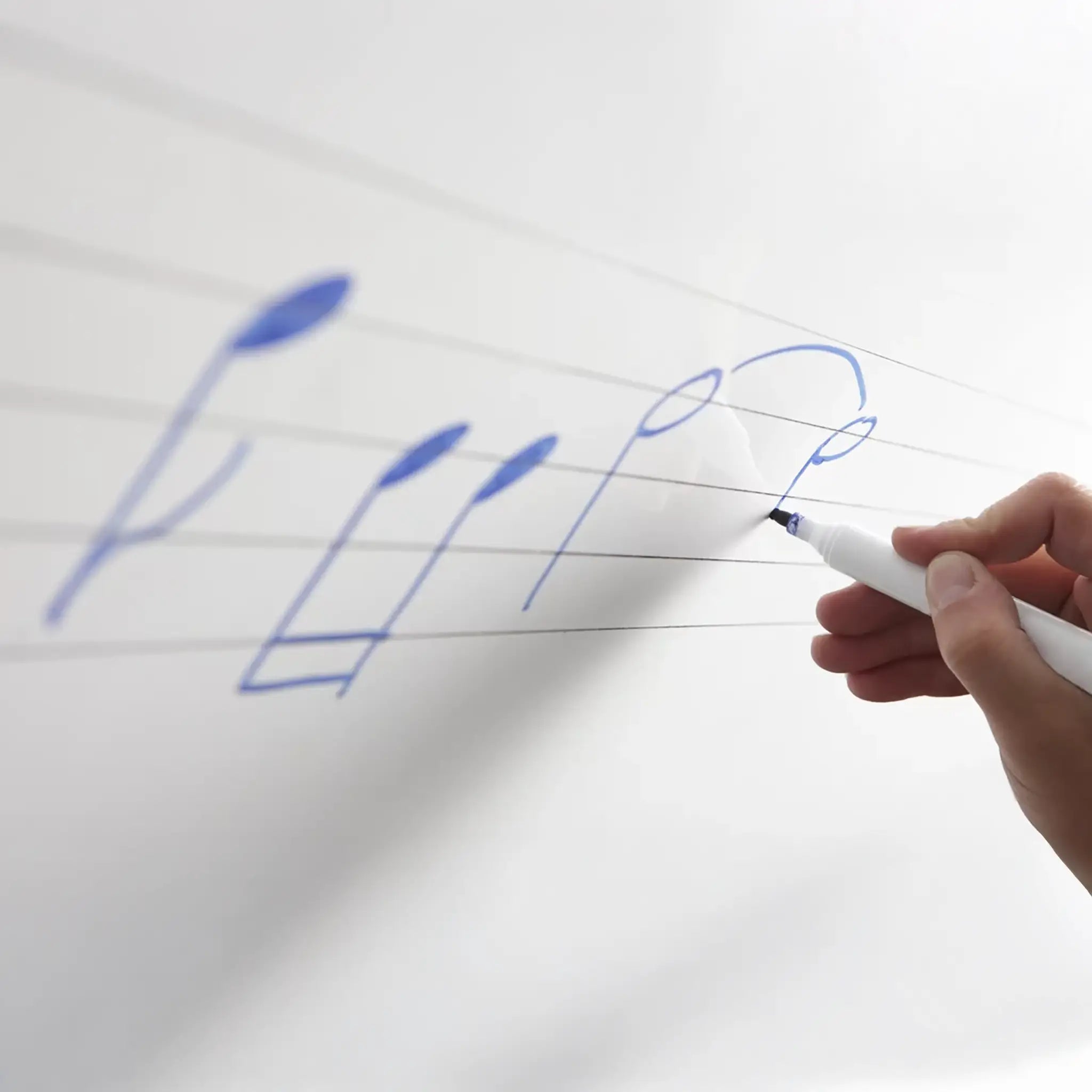
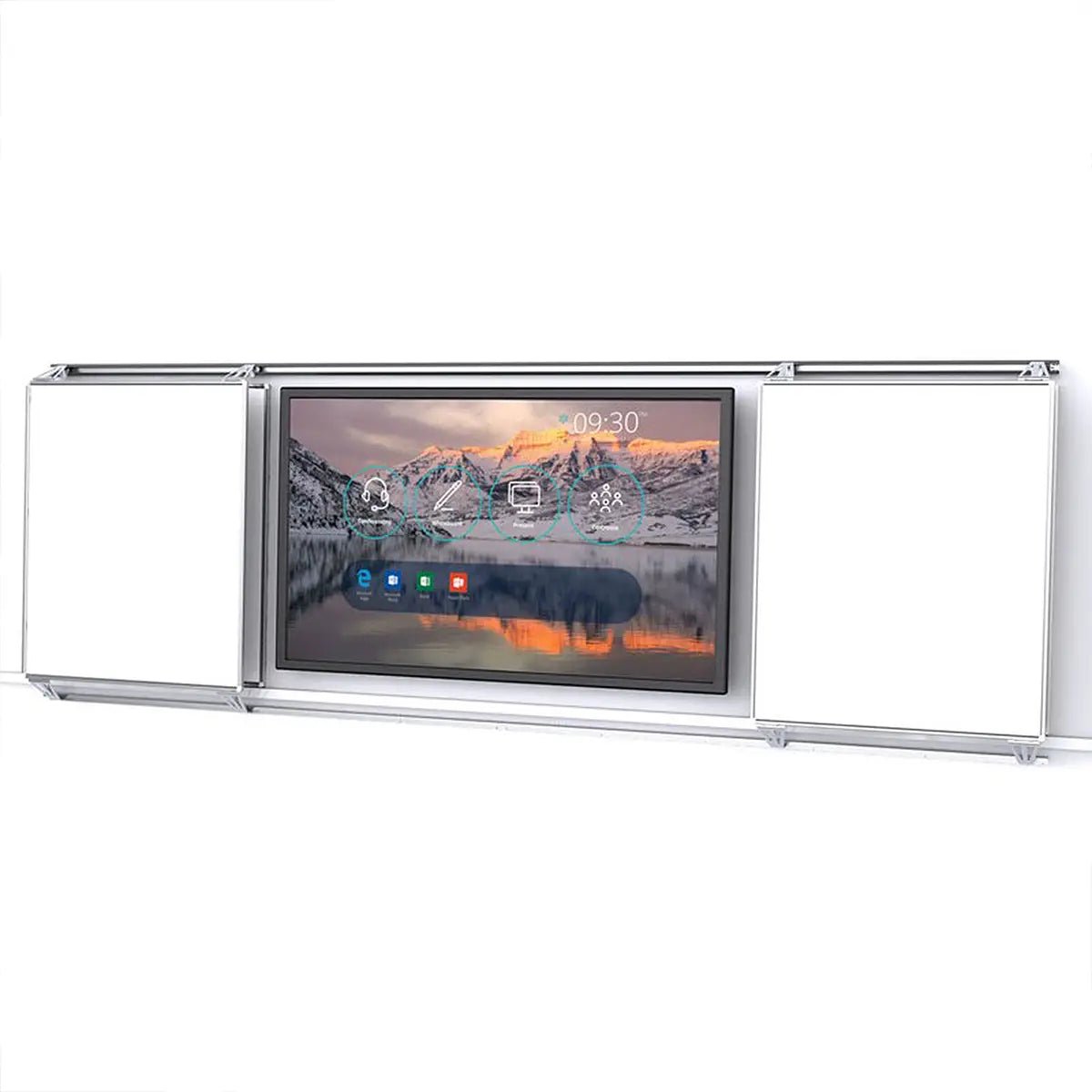
A projection whiteboard accepts a projected image from a standard or short-throw projector and lets you annotate directly on the surface in real time. The surface reflects less light than a standard white board, reducing washout. The semi-matt projection whiteboard is a popular choice for classrooms and training rooms where an interactive screen is not in the budget but projection quality matters.
Many projection boards are also suitable as standard dry wipe whiteboards when the projector is off, giving you two functions from one wall-mounted surface.
School whiteboards: what to specify
Schools put more demands on a whiteboard than almost any other environment. Daily use across multiple lessons, regular cleaning with solvent-based sprays, and occasional misuse mean surface durability is critical. The specification guidance below is based on DfE best-practice and what installers typically recommend.
- Primary and secondary classrooms - vitreous enamel is the long-term value option. The higher upfront cost is offset by a surface life of 25+ years and resistance to ghosting, staining, and physical damage. The Shell Board VES ceramic steel whiteboard is a mainstay in UK school installations.
- Multi-purpose halls and sports areas - consider a mobile or wall-mounted VES ECO magnetic whiteboard for flexible use.
- SEN and pastel requirements - coloured writing surfaces (often pastel tints) reduce visual stress for some learners. See our range of specialist school whiteboards if this applies to your brief.
Sizes: A1 to full-wall
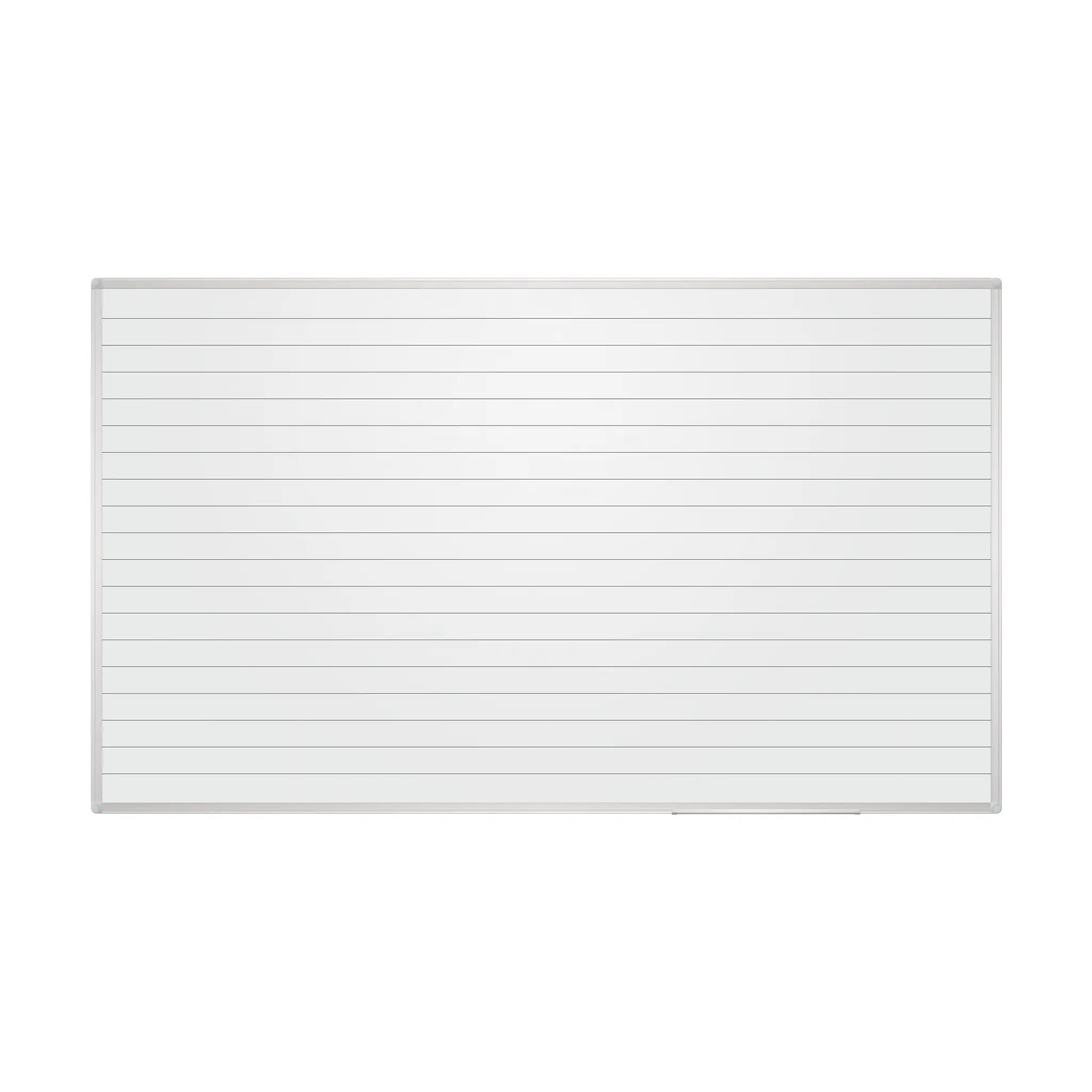
Standard whiteboard widths run from 600 mm (roughly A1) to 4800 mm for continuous writing walls. Common sizes stocked for fast delivery include 900 x 600 mm, 1200 x 900 mm, 1800 x 1200 mm, and 2400 x 1200 mm. Bespoke sizes are available to order for custom fit-outs.
When choosing a size, allow at least 300 mm clearance below the bottom edge so standing users can write at the base of the board. For meeting rooms, a 1200 x 900 mm board is generally the minimum; for classrooms, 1800 x 1200 mm or wider is preferred.
Office vs school: which products are most popular?
| Setting | Recommended surface | Magnetic? |
|---|---|---|
| Home office / light use | Painted steel dry wipe | Yes |
| Meeting room / office | Painted steel or VES | Yes |
| School classroom | Vitreous enamel (ceramic steel) | Yes |
| Training room / projector use | Projection whiteboard | Optional |
| Budget / temporary | HPL non-magnetic | No |
Browse the full range or view all whiteboards →
Frequently asked questions
What is the difference between a dry wipe whiteboard and a vitreous enamel whiteboard?
A dry wipe whiteboard typically has a painted steel or melamine surface that can be wiped clean with a standard eraser. A vitreous enamel whiteboard has a glass-fused ceramic surface baked onto steel, which is far more resistant to ghosting, scratching, and solvent damage. Vitreous enamel boards cost more upfront but outlast dry wipe boards by many years in heavy-use environments such as school classrooms.
Are magnetic whiteboards safe to use near computers and mobile phones?
Yes. The magnetic field from a standard magnetic whiteboard is too weak to affect modern electronics at normal working distances. Placing a phone or laptop directly against a strong industrial magnet is a different matter, but wall-mounted magnetic whiteboards pose no risk to equipment used nearby in a normal office or classroom setting.
What size whiteboard do I need for a classroom?
Most secondary school classrooms specify a width of 1800 mm to 2400 mm so that writing is visible from the back of the room. A 1800 x 1200 mm board is a common minimum for a class of 30 pupils seated up to 8 metres from the front wall. For larger or longer rooms, a 2400 mm or wider board improves visibility significantly.
Can I use a whiteboard as a projection screen?
Standard white whiteboards can accept a projected image, but the glossy surface often causes hotspots and washout in bright light. A dedicated projection whiteboard has a lower-gloss surface finish designed to reduce glare while remaining fully writable. The semi-matt projection whiteboard is specifically designed for this dual-use scenario.
How do I clean a whiteboard that has ghosting or staining?
Light ghosting on painted steel or melamine boards can usually be cleared with a specialist whiteboard cleaner or isopropyl alcohol on a soft cloth. For heavy staining, a vitreous enamel board can tolerate stronger solvents without surface damage. If ghosting is persistent on a non-enamel board, the surface has degraded and replacement is the most cost-effective long-term fix. See our guide on how to rescue your whiteboard for step-by-step advice.
What is a ceramic steel whiteboard?
Ceramic steel is another name for vitreous enamel: a glass-ceramic compound fused onto a steel substrate at temperatures above 800 degrees Celsius. The resulting surface is extremely hard, smooth, and chemically inert. It will not absorb marker ink, resists solvents, and carries a surface warranty of 25 years or more from most manufacturers. The Shell Board VES ceramic steel whiteboard uses this technology and is a standard specification for schools and higher education in the UK.

Recommended Whiteboards
-
Presentation Spaces Drywipe Magnetic Coated Steel Whiteboard
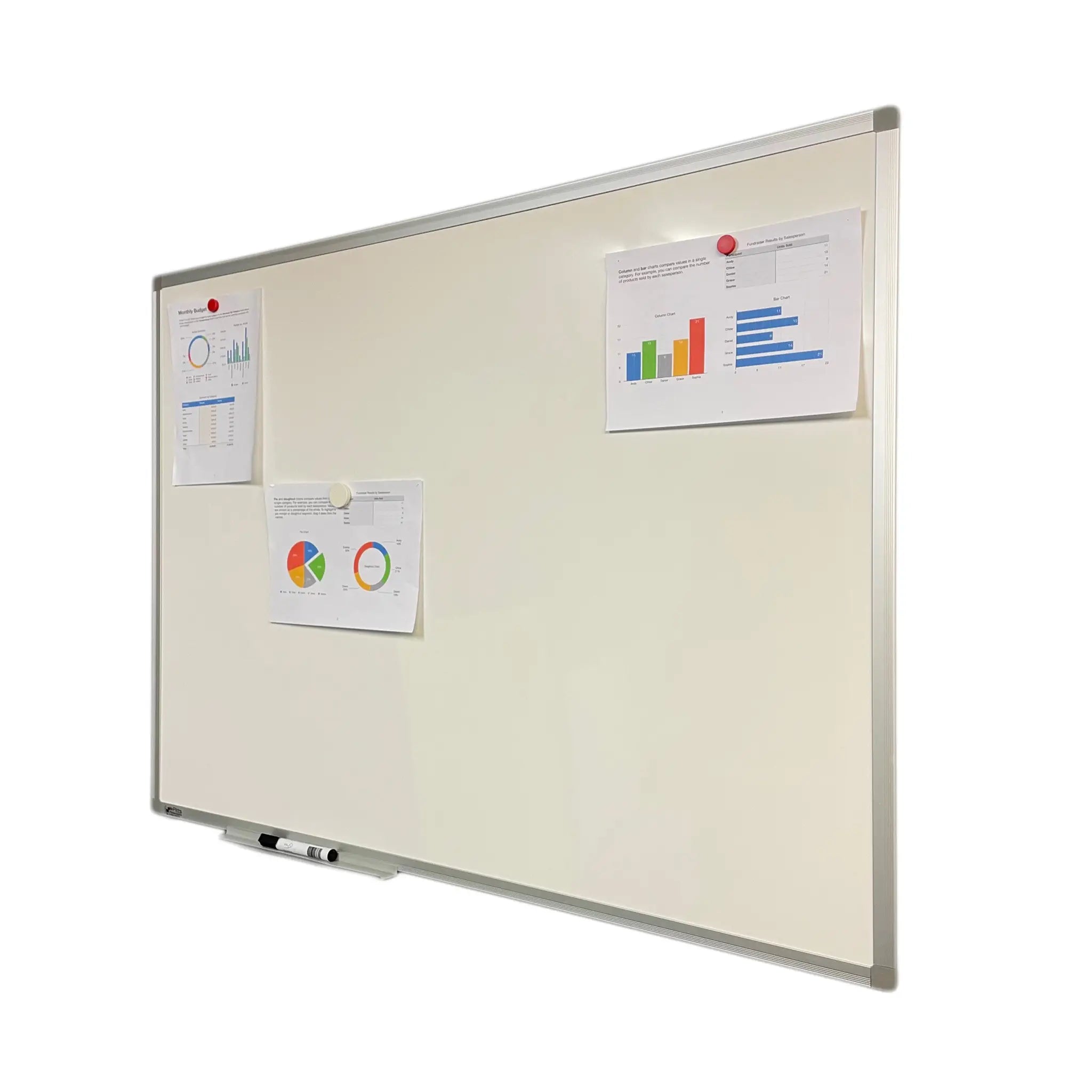
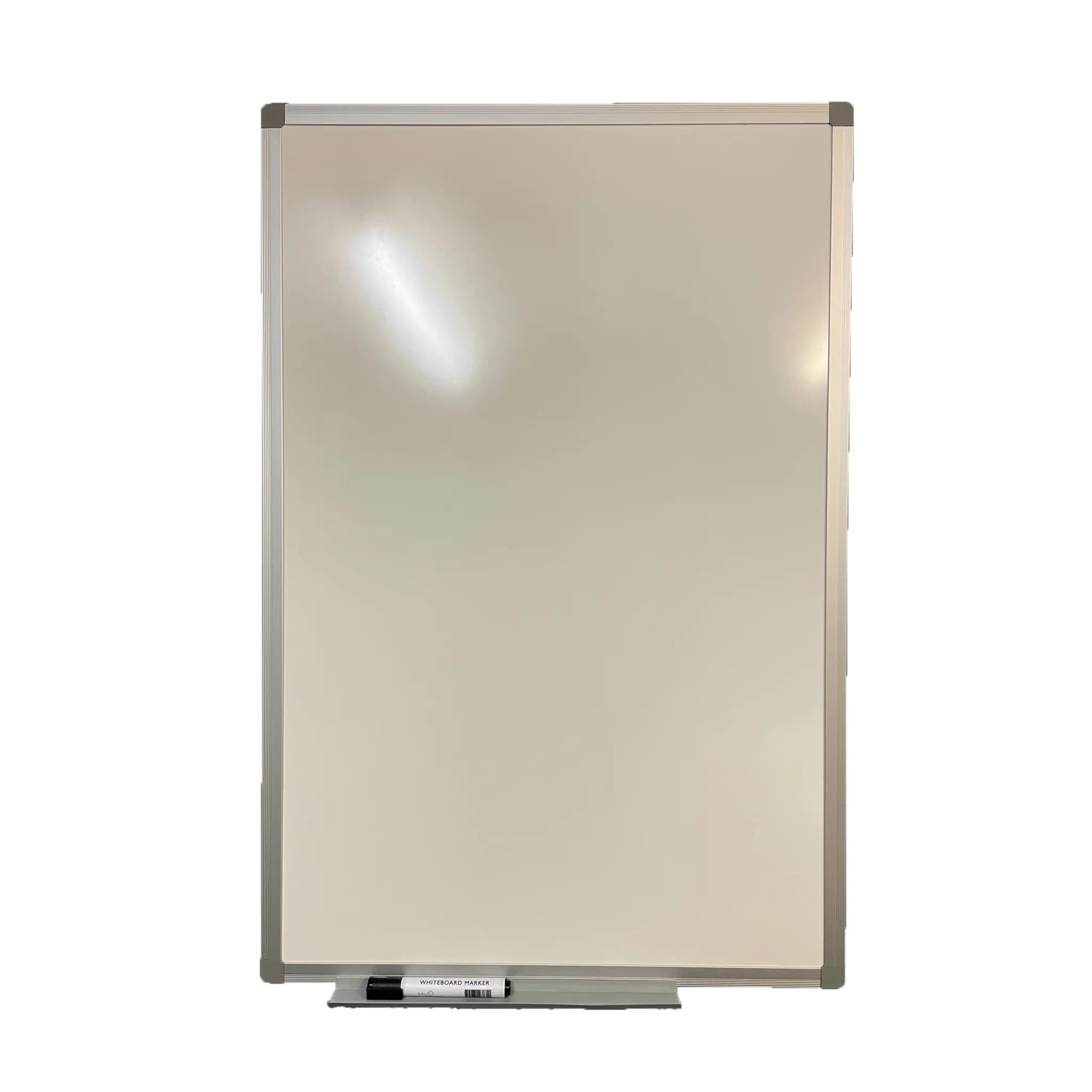
Presentation Spaces Drywipe Magnetic Coated Steel Whiteboard
From £40.00 exc VAT- From £48.00 inc VAT
-
Premier Combination Board Felt and HPL Non Mag Dry Wipe | Aluminium Frame | 4 Colours
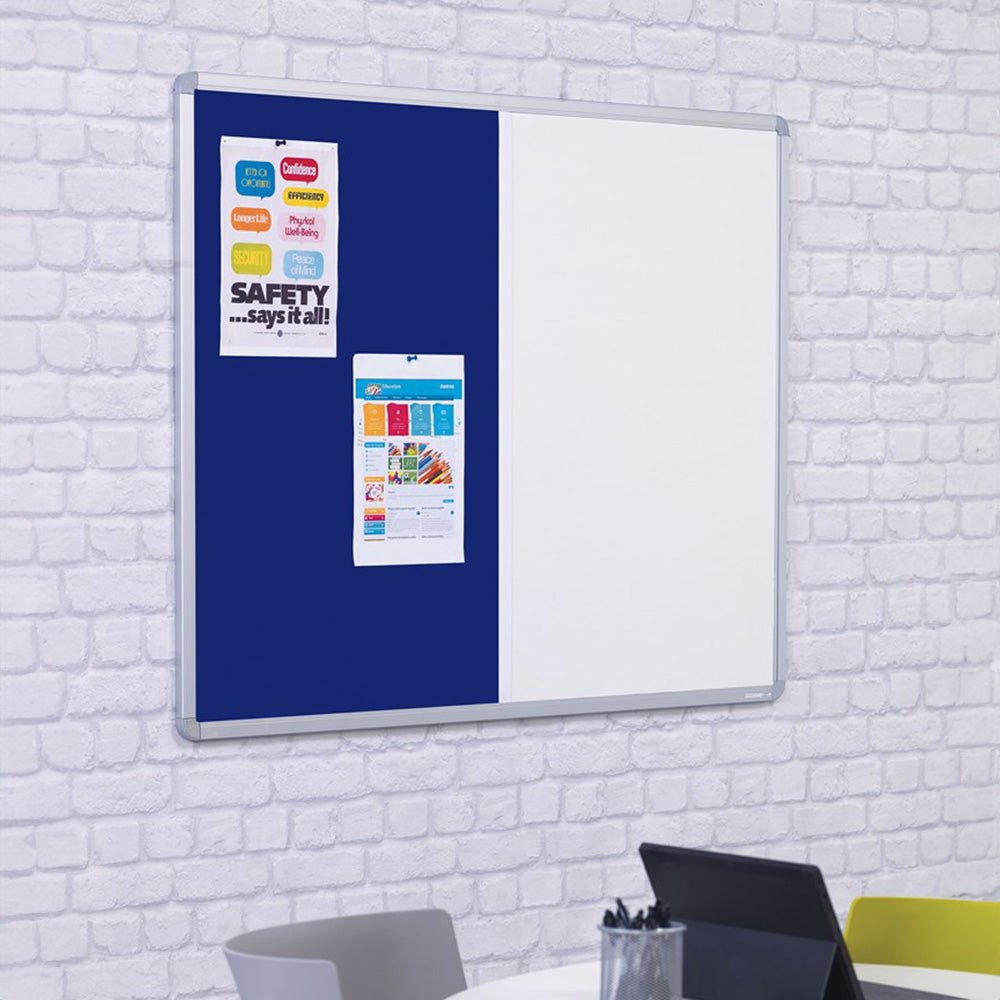
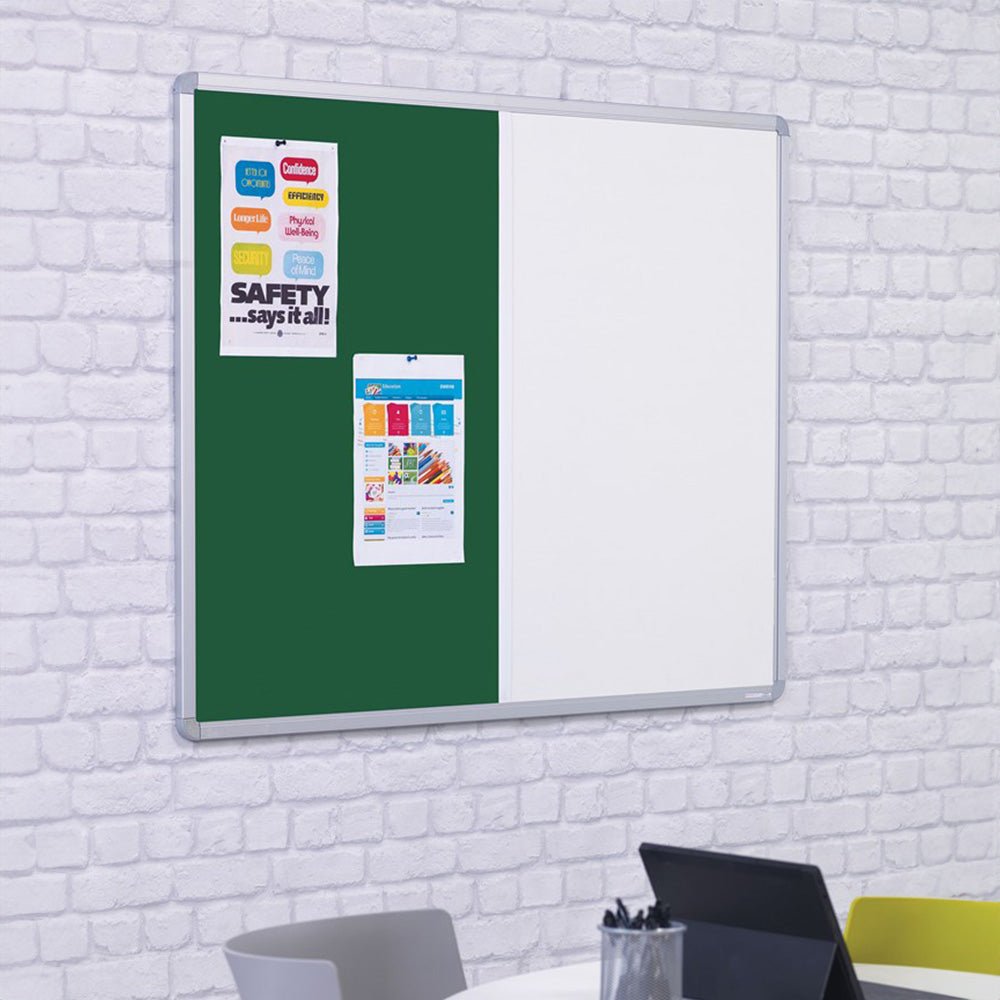
Premier Combination Board Felt and HPL Non Mag Dry Wipe | Aluminium Frame | 4 Colours
From £78.99 exc VAT- From £94.79 inc VAT
-
Premier Combination Board Felt and HPL Non Mag Dry Wipe | Light Wood Effect Frame | 4 Colours
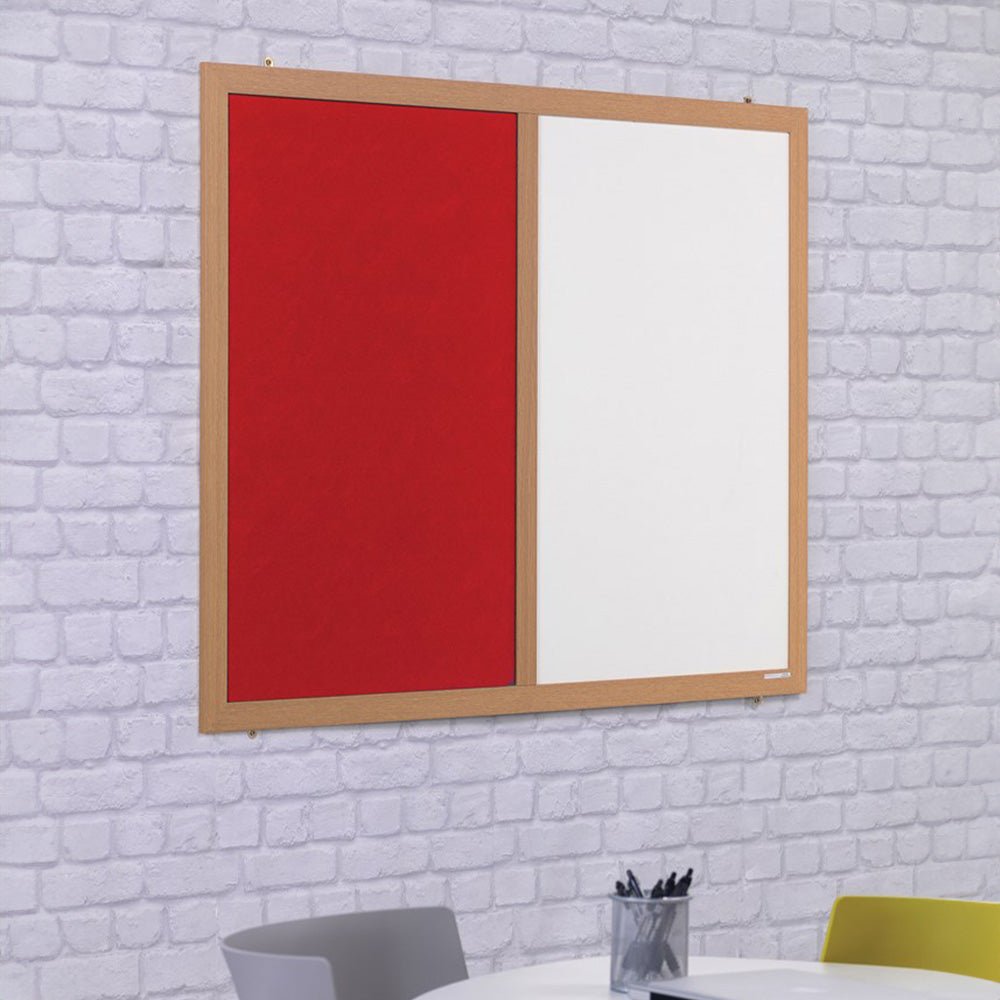
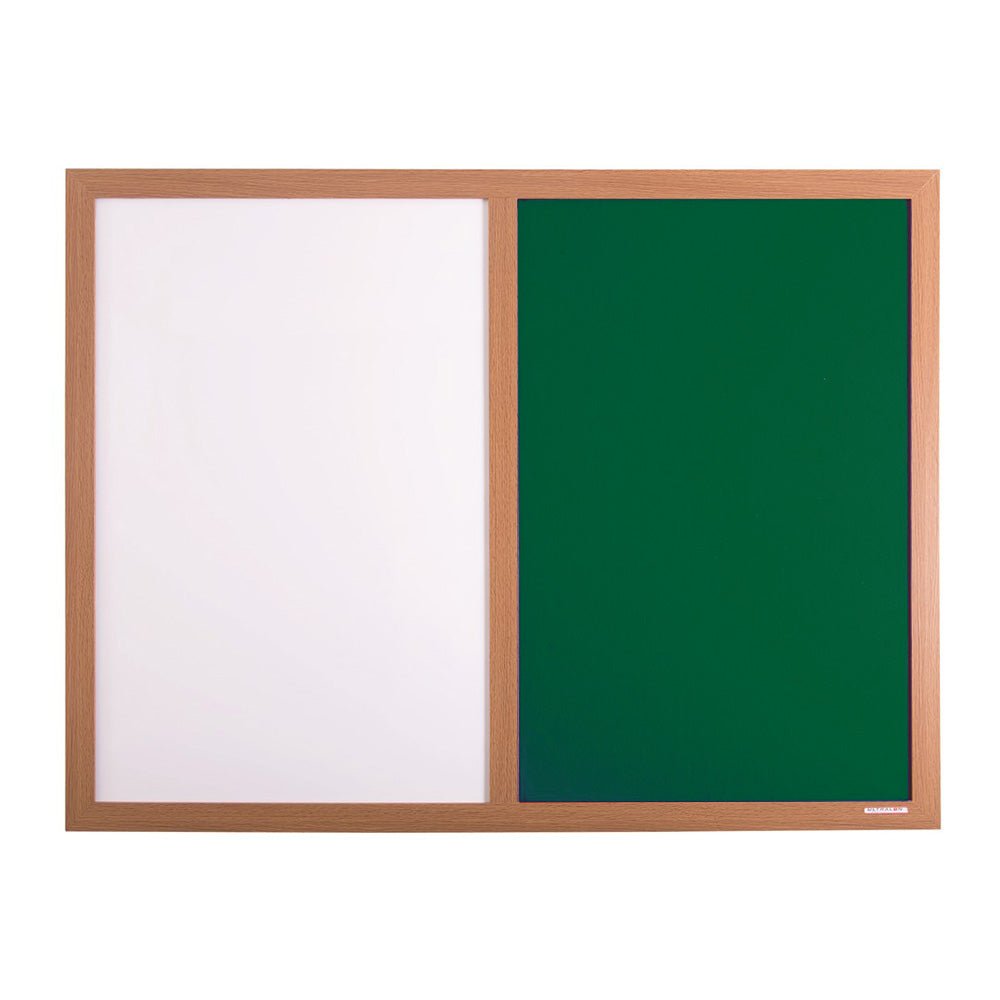
Premier Combination Board Felt and HPL Non Mag Dry Wipe | Light Wood Effect Frame | 4 Colours
From £83.99 exc VAT- From £100.79 inc VAT
-
Eco Combination Board | Magnetic Aluminium Frame with Felt | 4 Felt Colours
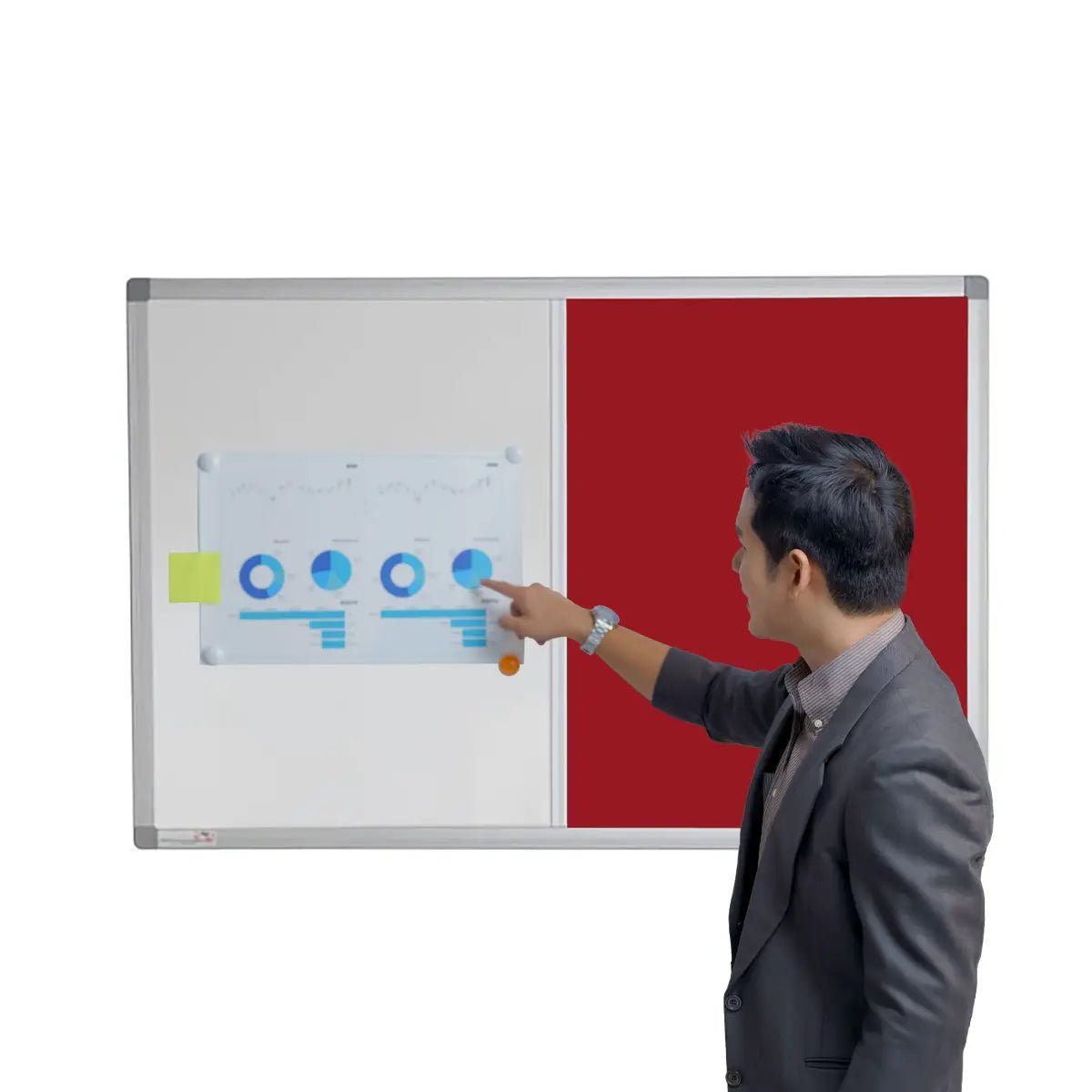
Eco Combination Board | Magnetic Aluminium Frame with Felt | 4 Felt Colours
From £64.29 exc VAT- From £77.15 inc VAT
-
Presentation Spaces FR Tamperproof Magnetic Lockable Whiteboard
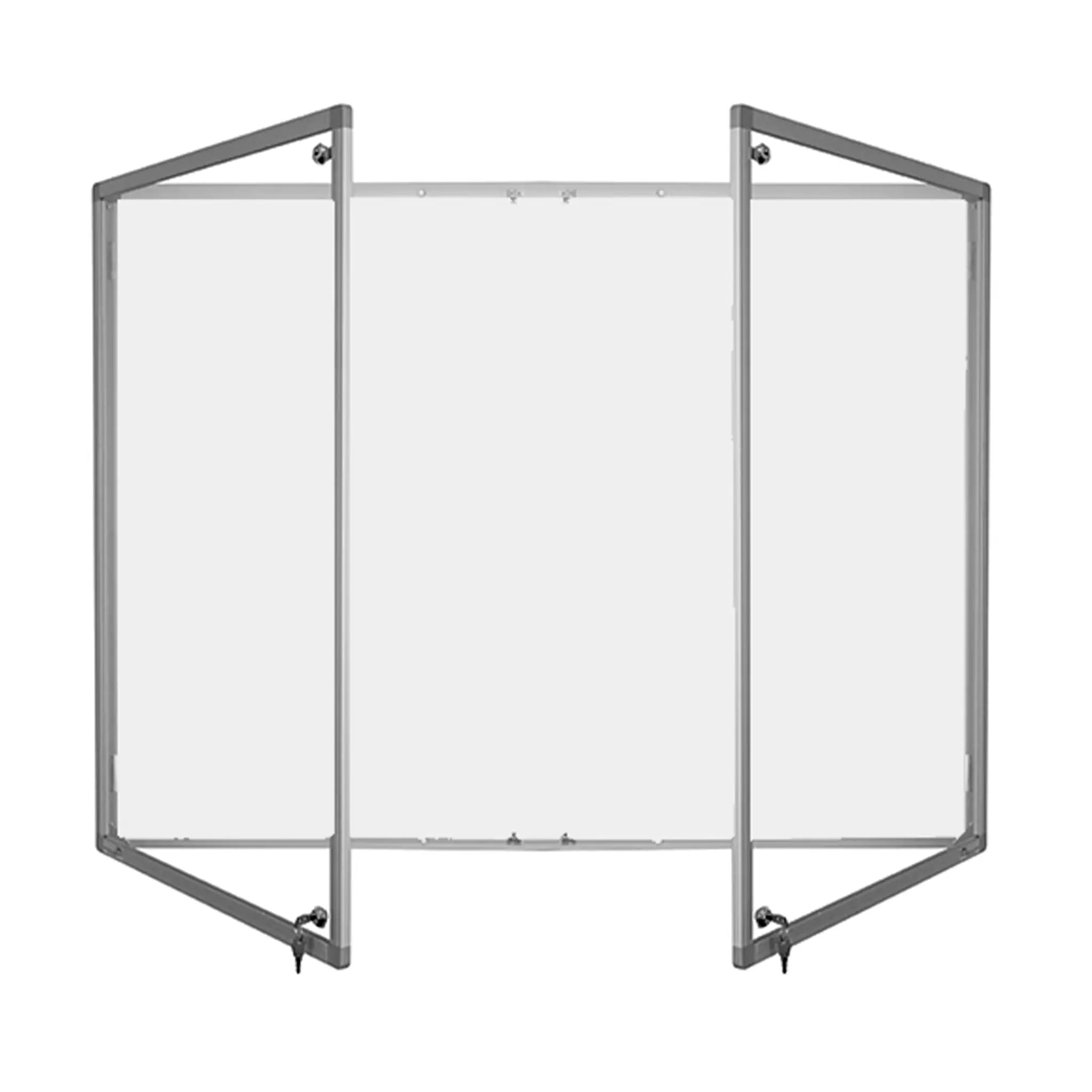
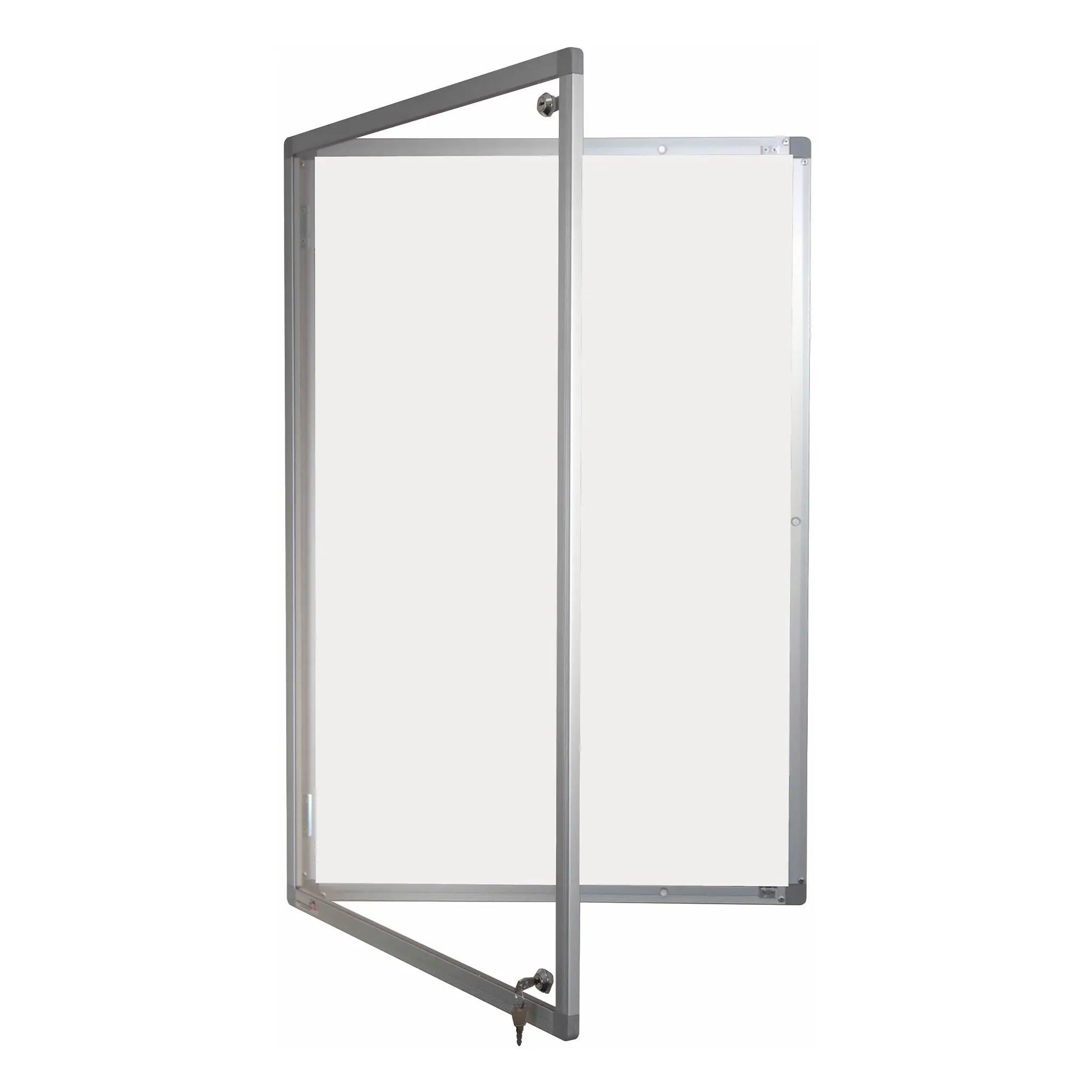
Presentation Spaces FR Tamperproof Magnetic Lockable Whiteboard
From £140.00 exc VAT- From £168.00 inc VAT
-
Presentation Spaces FR Confidential Lockable Non-Magnetic Whiteboard
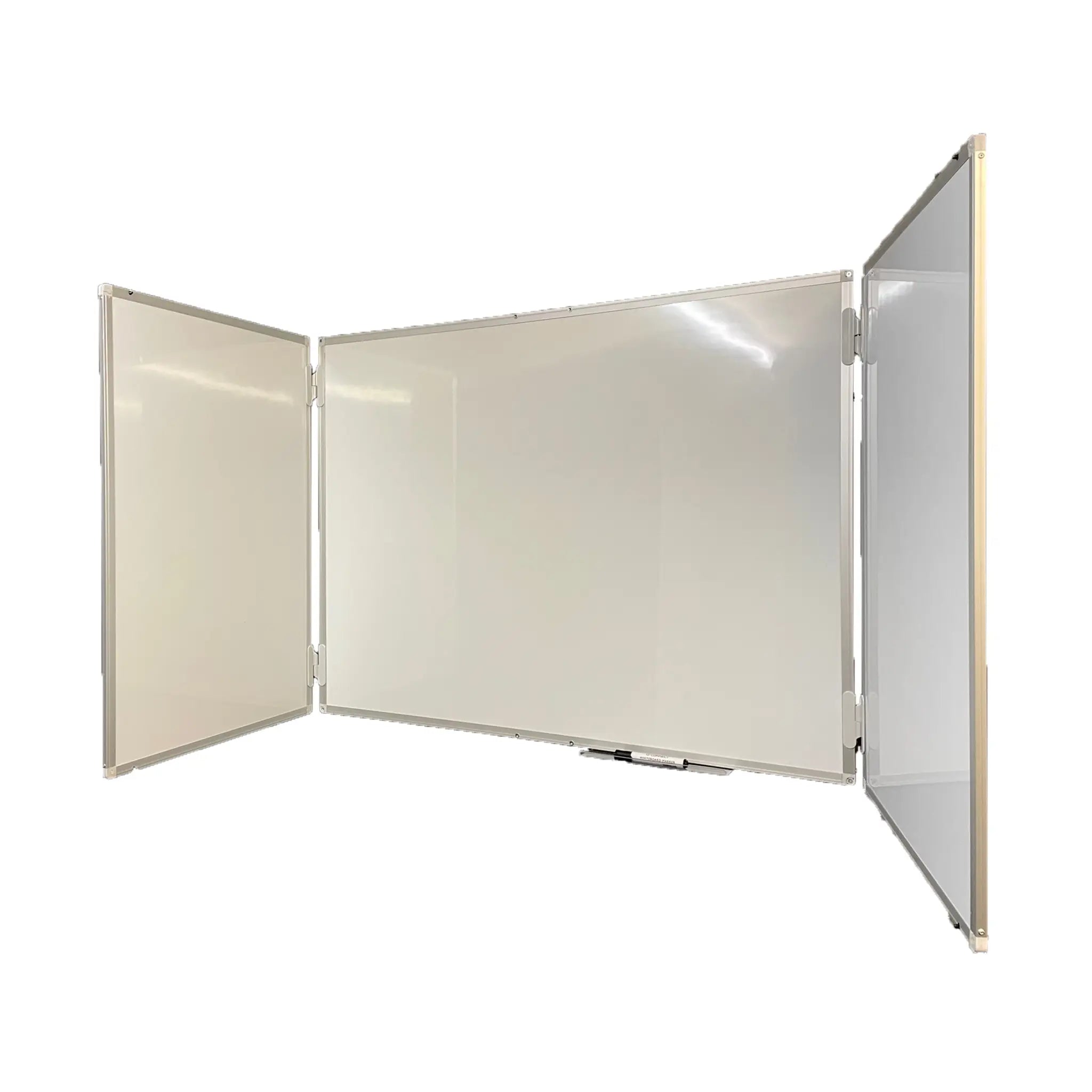
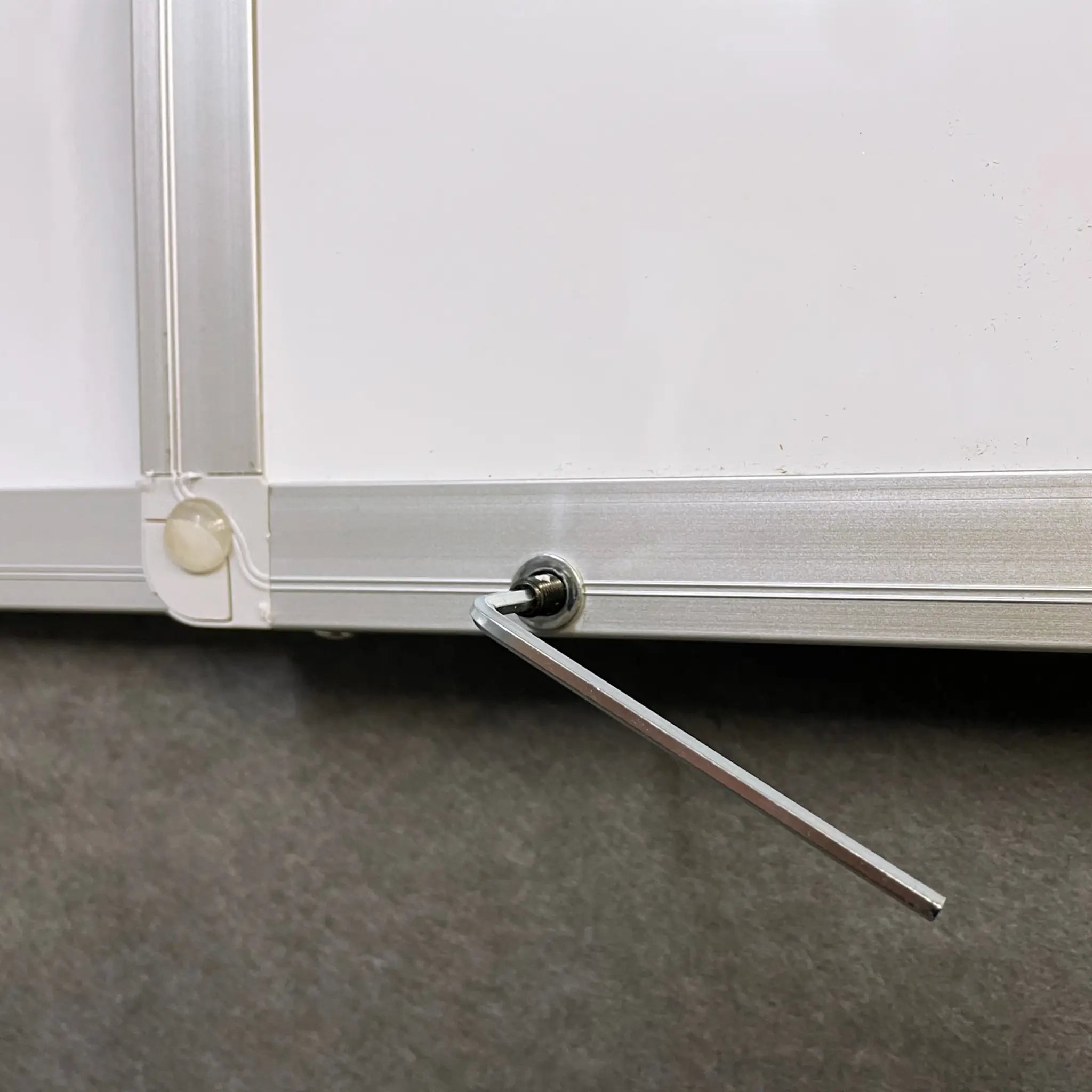
Presentation Spaces FR Confidential Lockable Non-Magnetic Whiteboard
From £125.00 exc VAT- From £150.00 inc VAT
-
Presentation Spaces FR Confidential Lockable Magnetic Whiteboard
Presentation Spaces FR Confidential Lockable Magnetic Whiteboard
From £125.00 exc VAT- From £150.00 inc VAT