

Collection: Glassboards
Quick answer: Glassboards are toughened glass writing surfaces that replace traditional whiteboards. They wipe completely clean, resist ghosting permanently, and come in magnetic or non-magnetic options. Most are available in white, black, and a range of colours including dyslexia-friendly pastels, and they mount flush to the wall for a polished finish in any workspace or classroom.
What is a glassboard?
A glassboard, also called a glass whiteboard or glass dry wipe board, is a writing surface made from toughened safety glass rather than the coated steel or melamine used in conventional whiteboards. The smooth, non-porous surface means dry-wipe markers lift off completely every time, leaving no trace, shadow, or ghost behind even after years of daily use.
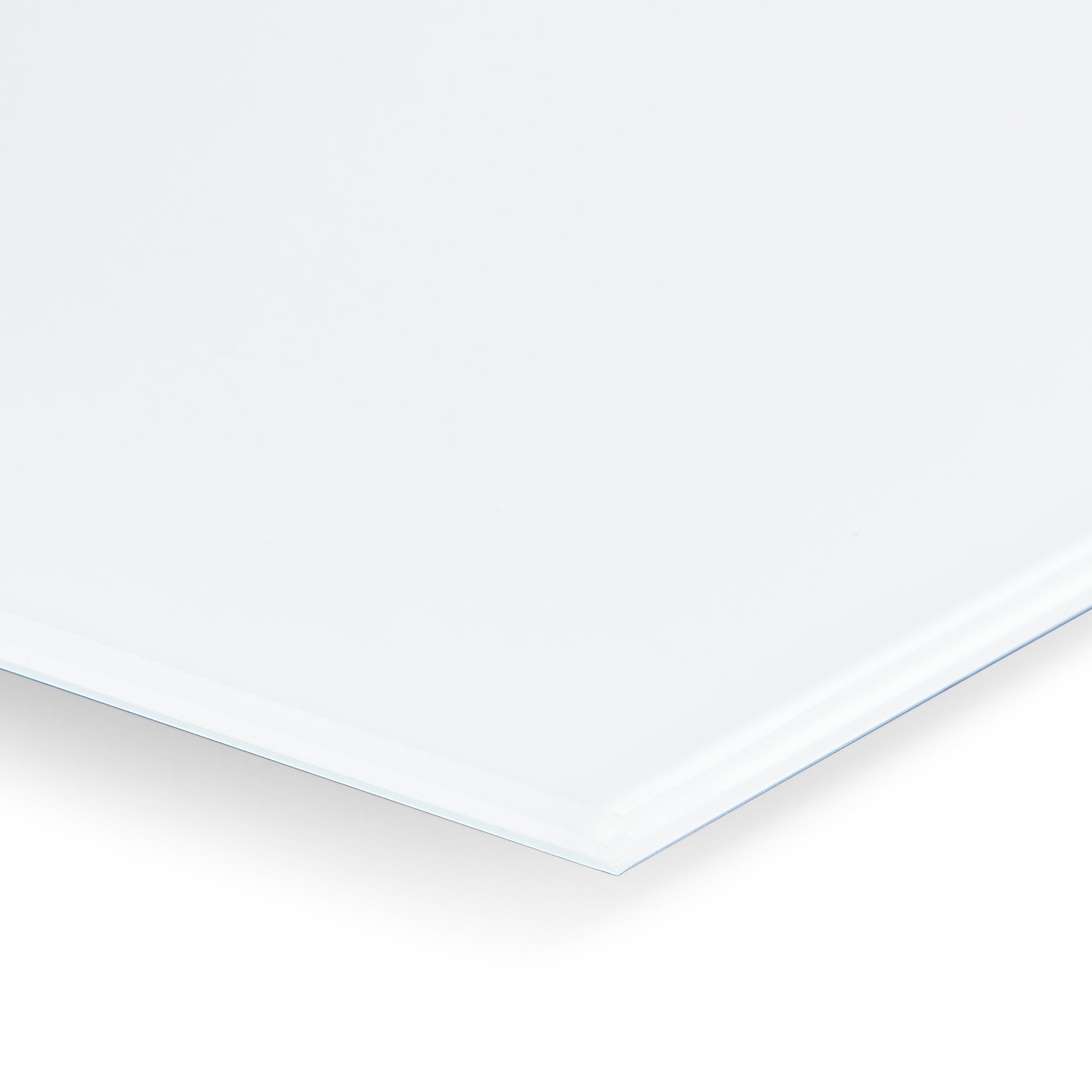
Because the surface is glass rather than a coating, it cannot flake, peel, or degrade. Manufacturers typically back this with a lifetime surface warranty. The result is a board that looks as good on day one thousand as it does on day one.
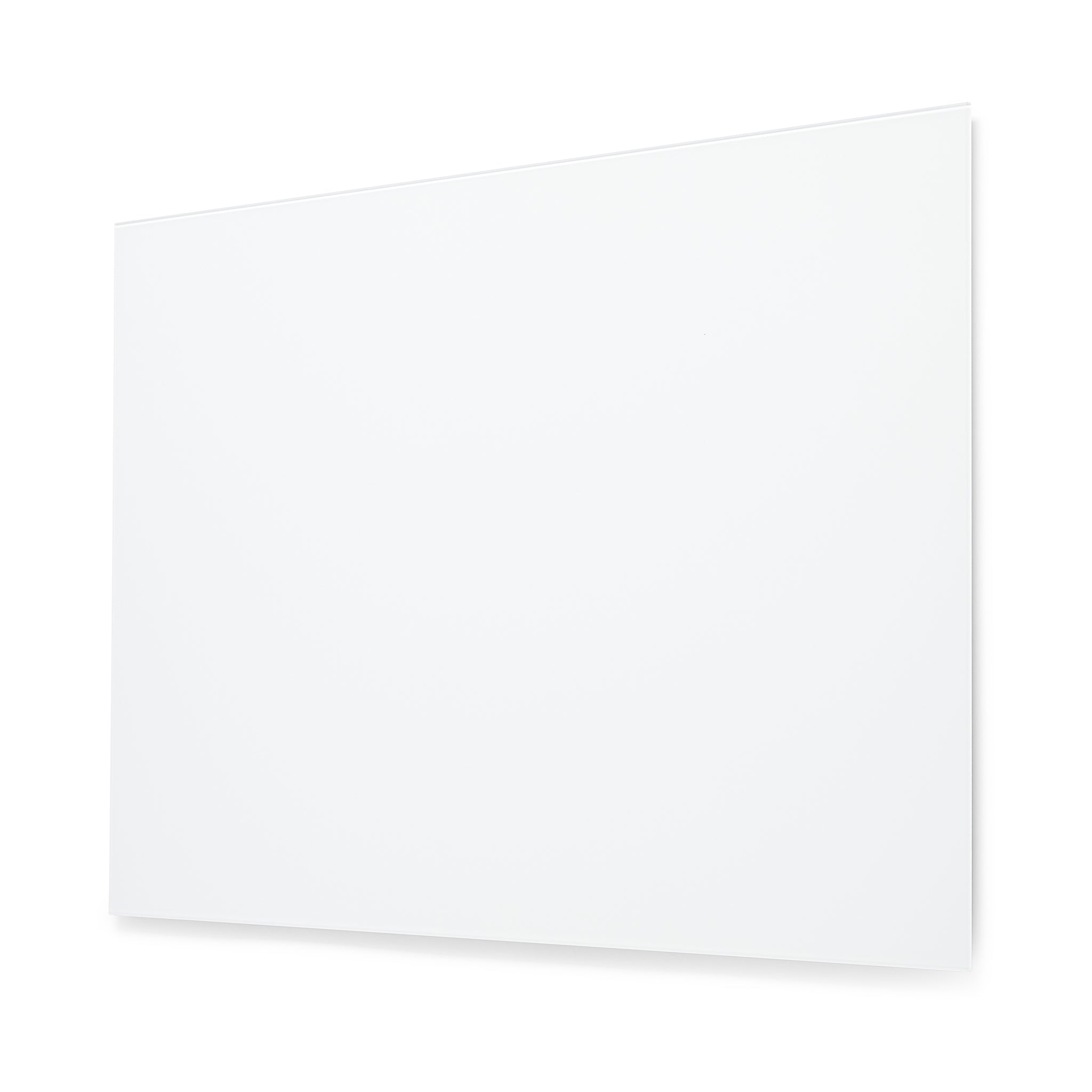
Our Premier White Magnetic Glass Board is the most popular starting point for offices looking to upgrade, offering a frameless floating look and a standard white writing surface.
Magnetic or non-magnetic glass writing boards?
The key distinction when choosing a glassboard is whether you need magnetic functionality.
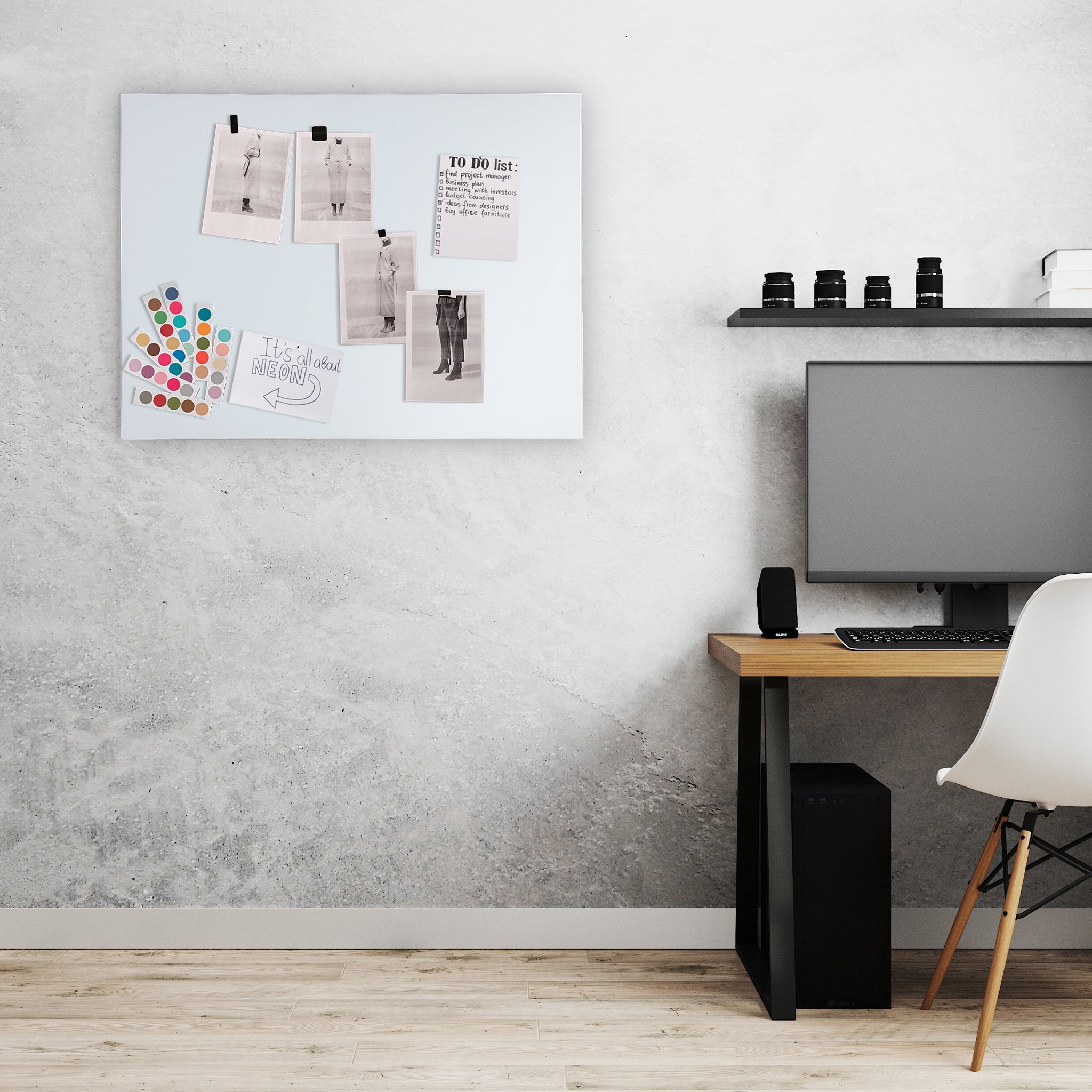
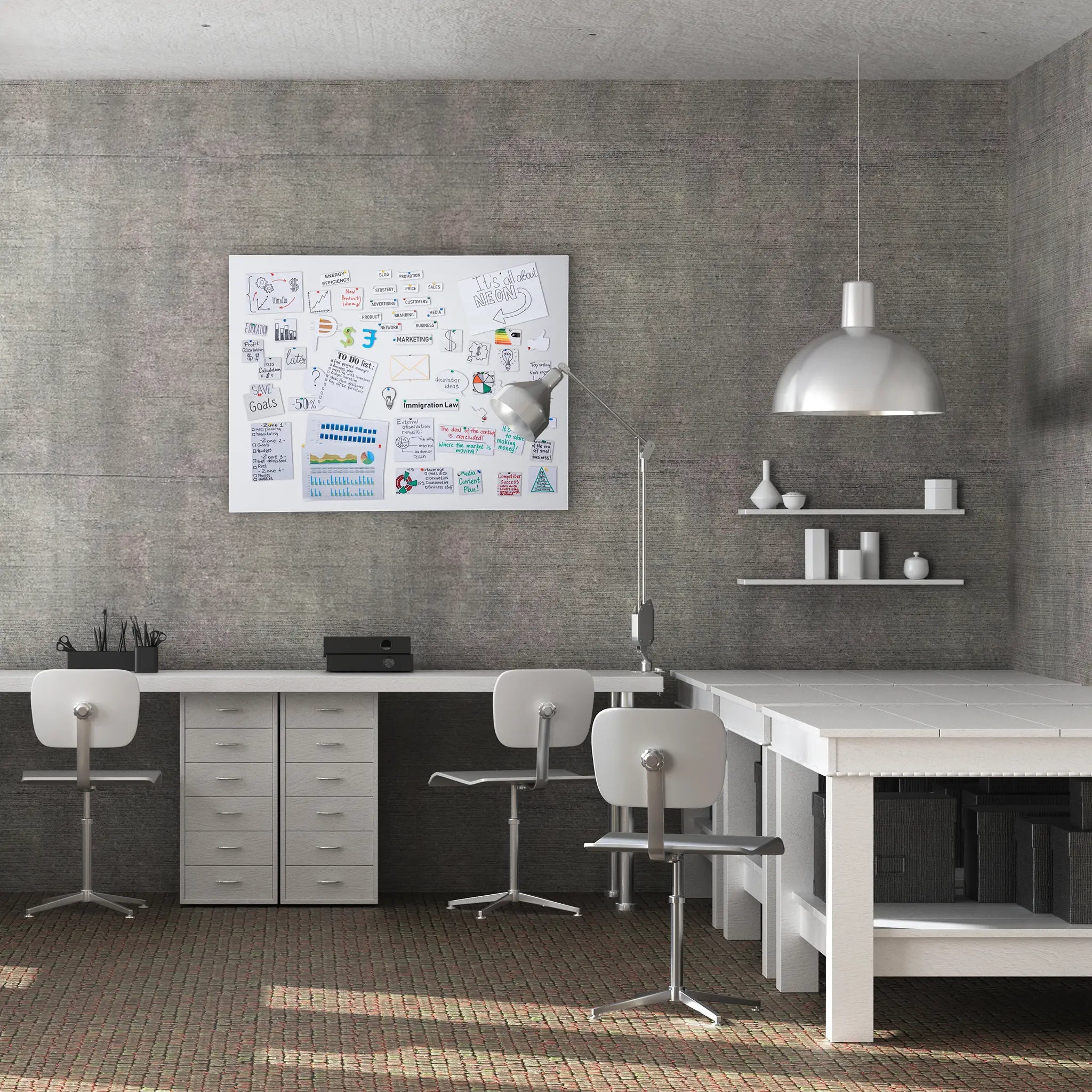
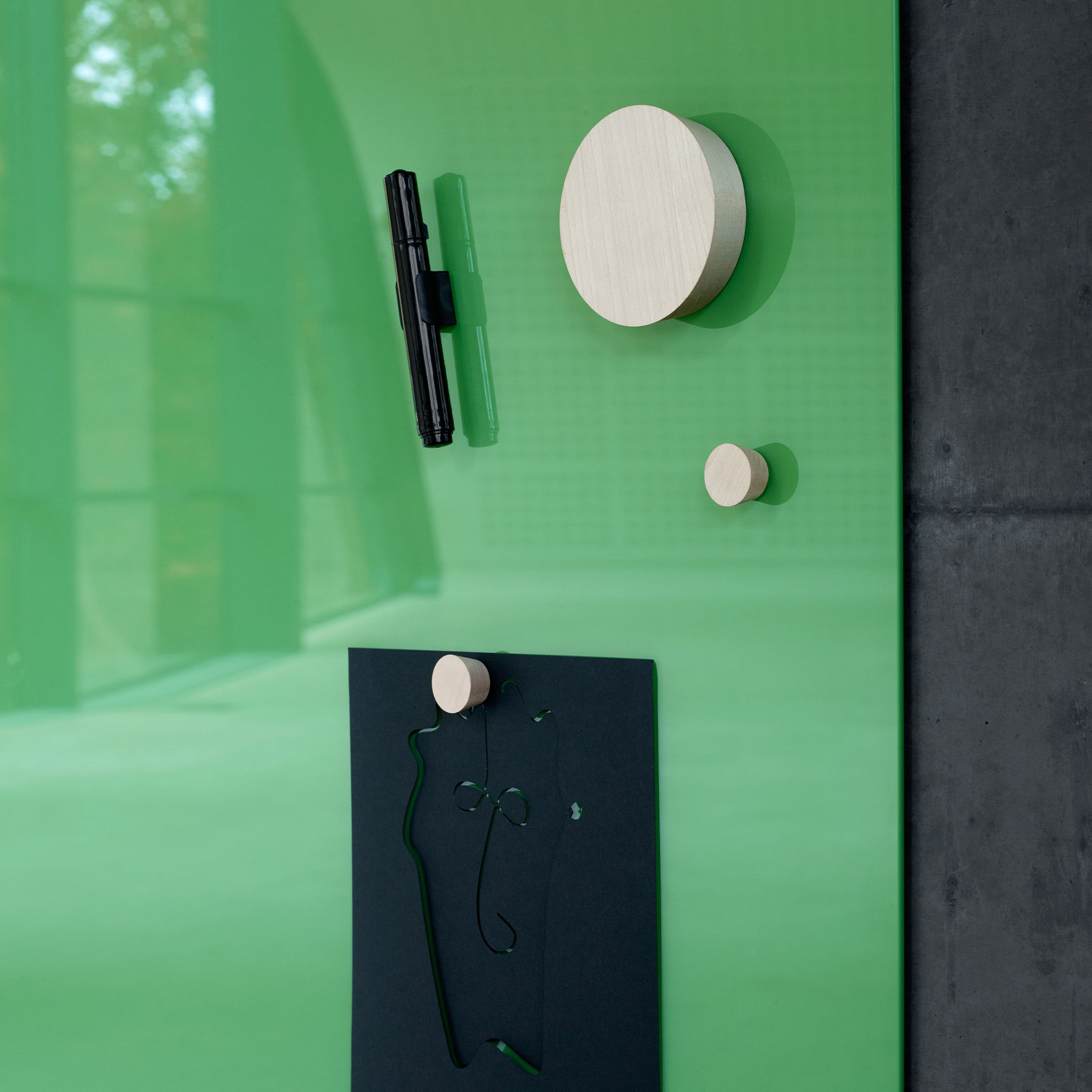
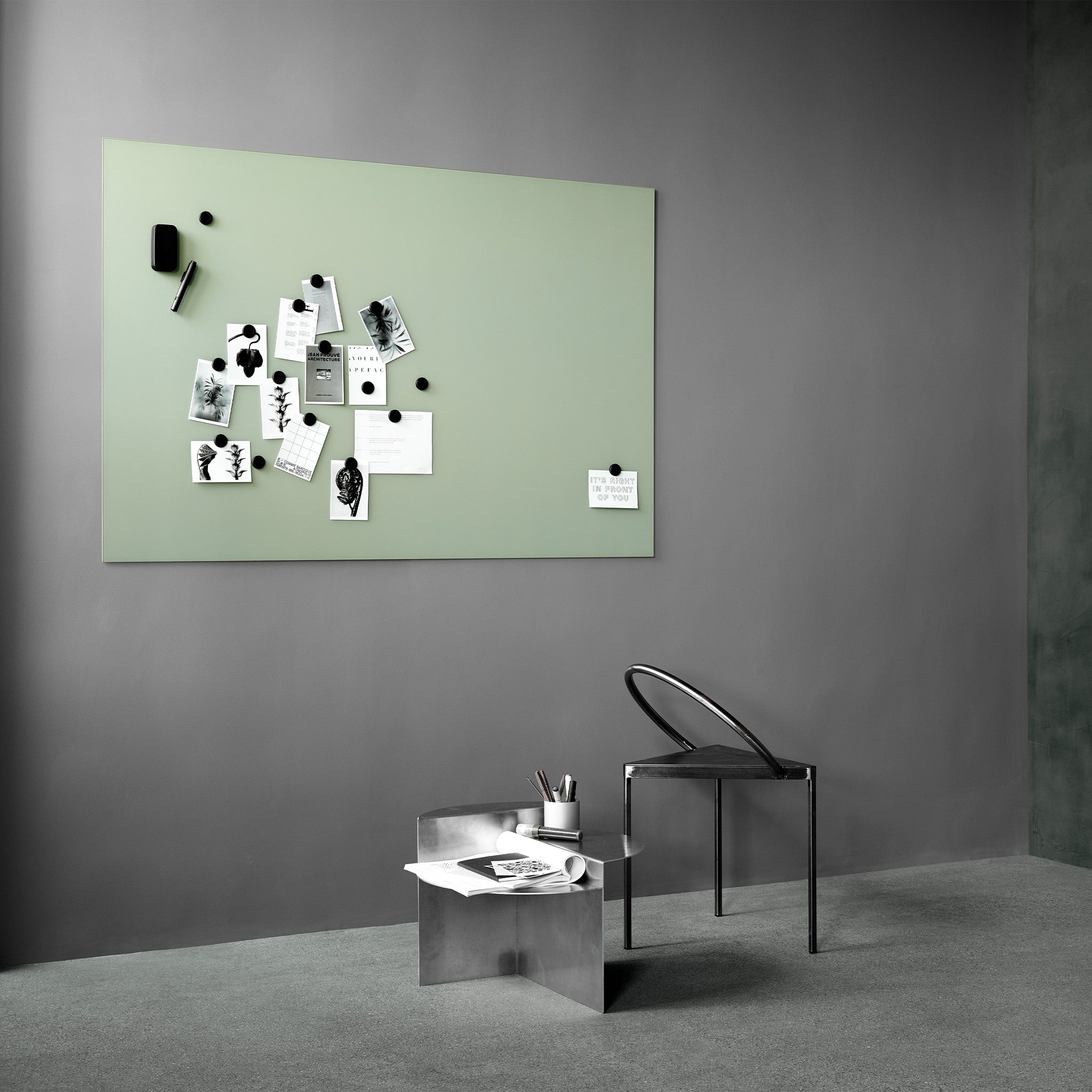
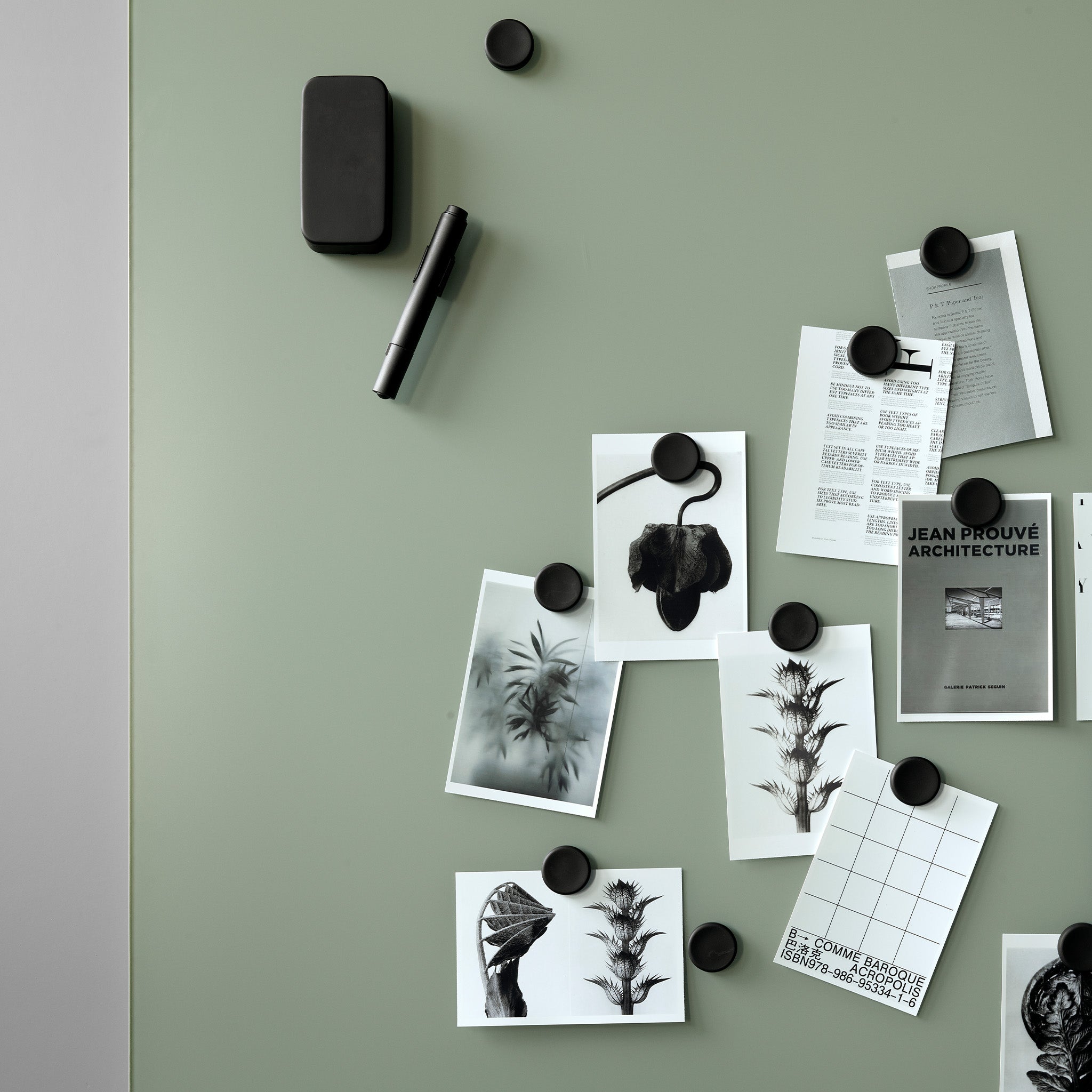
- Magnetic glassboards contain a steel backer bonded behind the glass, allowing you to fix papers and cards with magnets while still using it as a dry-wipe surface. They are the most versatile option for meeting rooms and classrooms.
- Non-magnetic glassboards are lighter, slightly thinner, and generally less expensive. They suit reception areas, corridors, or anywhere that display of pinned materials is not required.
If you are replacing a traditional magnetic whiteboard, a magnetic glassboard is the like-for-like upgrade. Our wall-mounted magnetic glassboards are available in a range of sizes and include fixings for a secure frameless installation.
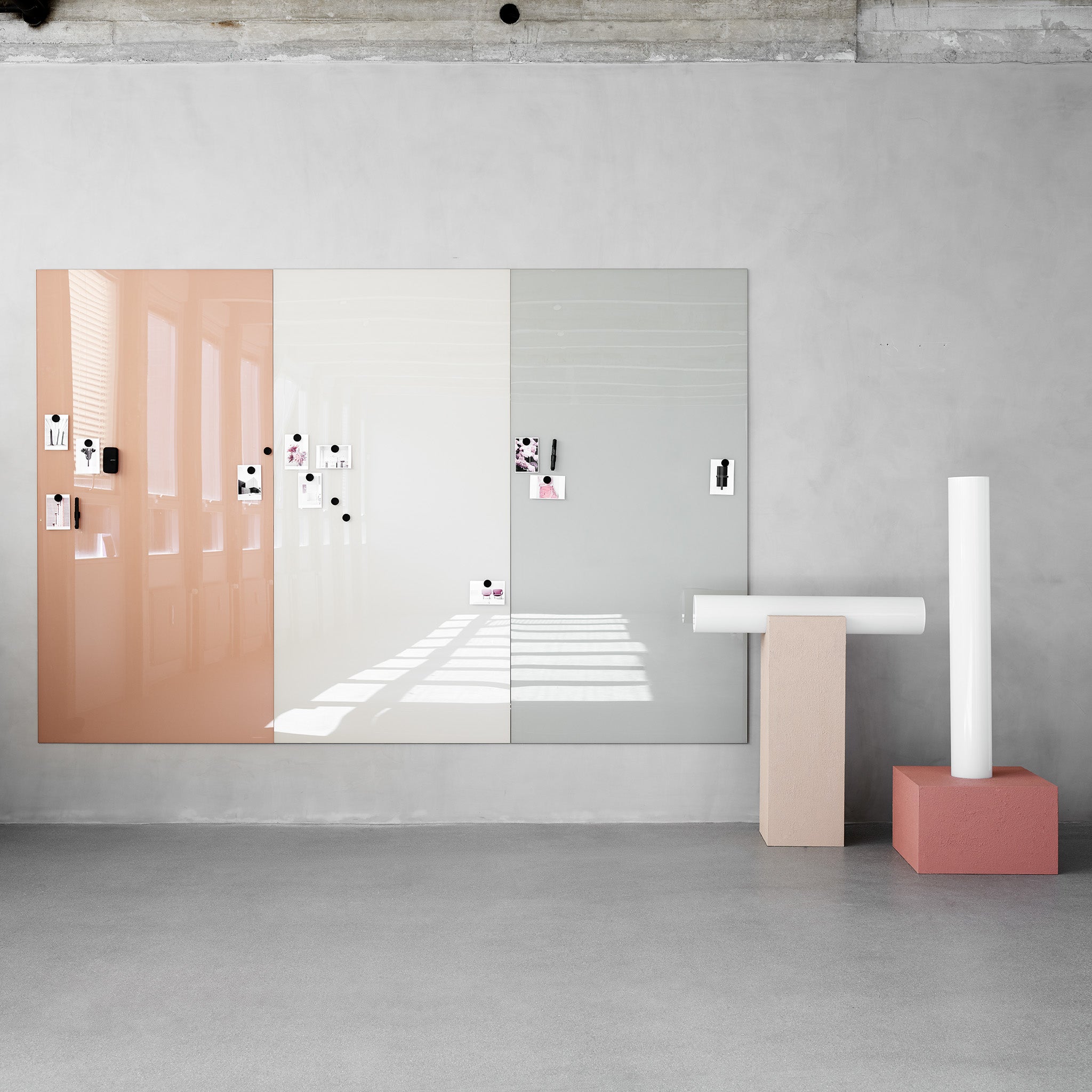
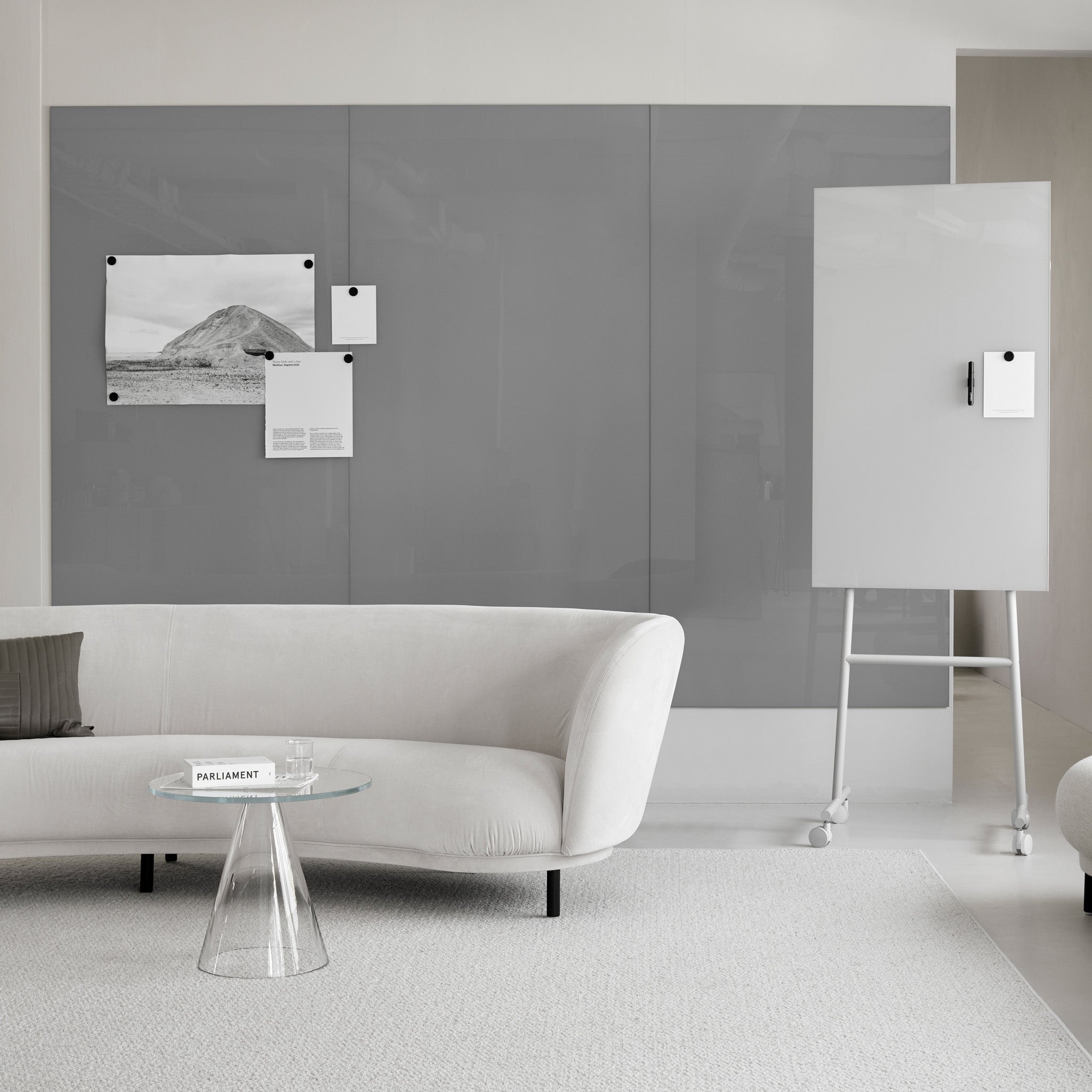
For larger magnetic writing walls, the Mood Wall and Silk Wall extend magnetic glass across a full wall panel, turning an entire surface into a collaborative writing and display area.
Coloured glassboards and dyslexia-friendly options
White is the traditional choice, but coloured glassboards are increasingly popular in both offices and educational settings. A coloured glass writing board can reinforce brand identity in a meeting room or help create a calmer, lower-contrast writing environment for users who find a stark white surface difficult.
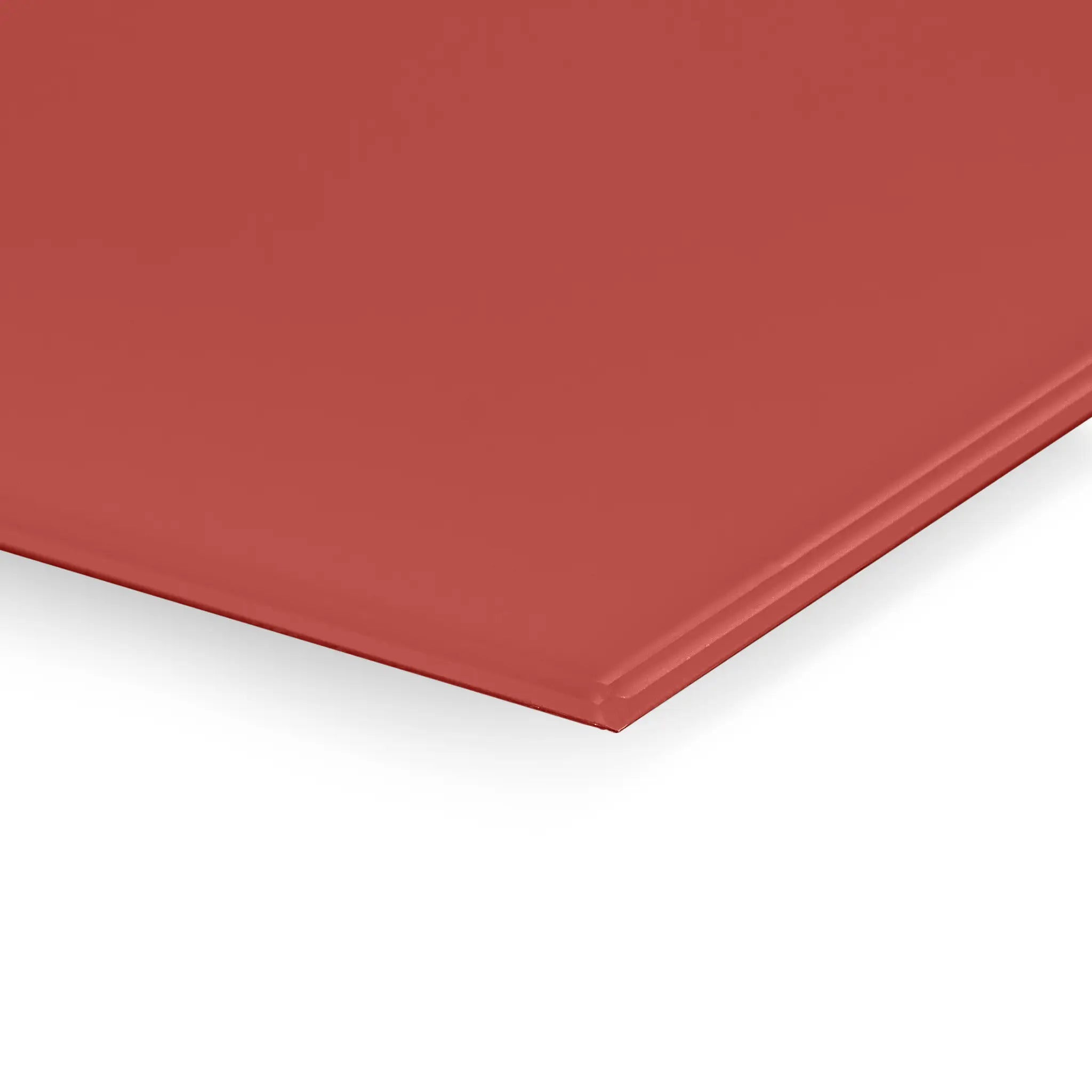
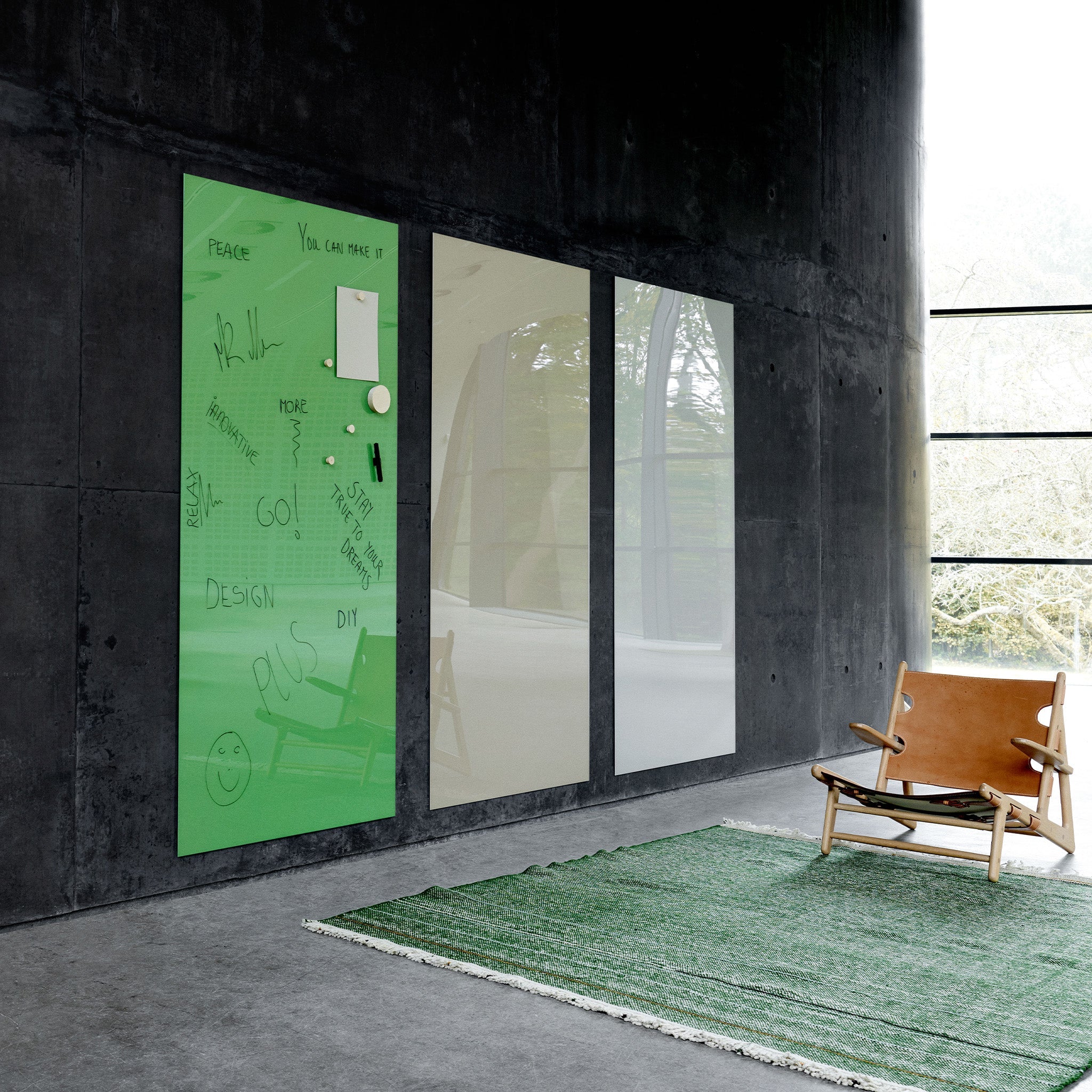
Our Premier Coloured Magnetic Glass Wipe Boards are available in a wide palette including grey, blue, green, red, and pastel tones. Pastel variants, particularly light blue and pale yellow, are commonly specified in SEND (Special Educational Needs and Disabilities) environments because the reduced contrast between the board and marker makes reading easier for dyslexic learners.
For a more sustainable choice, the Eco White Magnetic Glass Wipe Board is made from recycled glass without compromising on writing quality or magnetic strength.
Low-iron glass: why it matters for clarity and colour accuracy
Standard float glass has a slight green tint caused by iron oxide in the raw material. On a white glassboard this is usually invisible, but on coloured boards it can shift the apparent colour significantly, making a pale grey look slightly green or a blue look duller than the intended shade.
Premium glassboards use low-iron glass, which is optically clear. This means the printed colour on the rear of the glass appears exactly as specified, with no green cast. If colour accuracy matters, whether for brand compliance or to achieve a specific pastel shade, always check the specification sheet for low-iron glass before ordering.
Wall-mounted versus freestanding and mobile glassboards
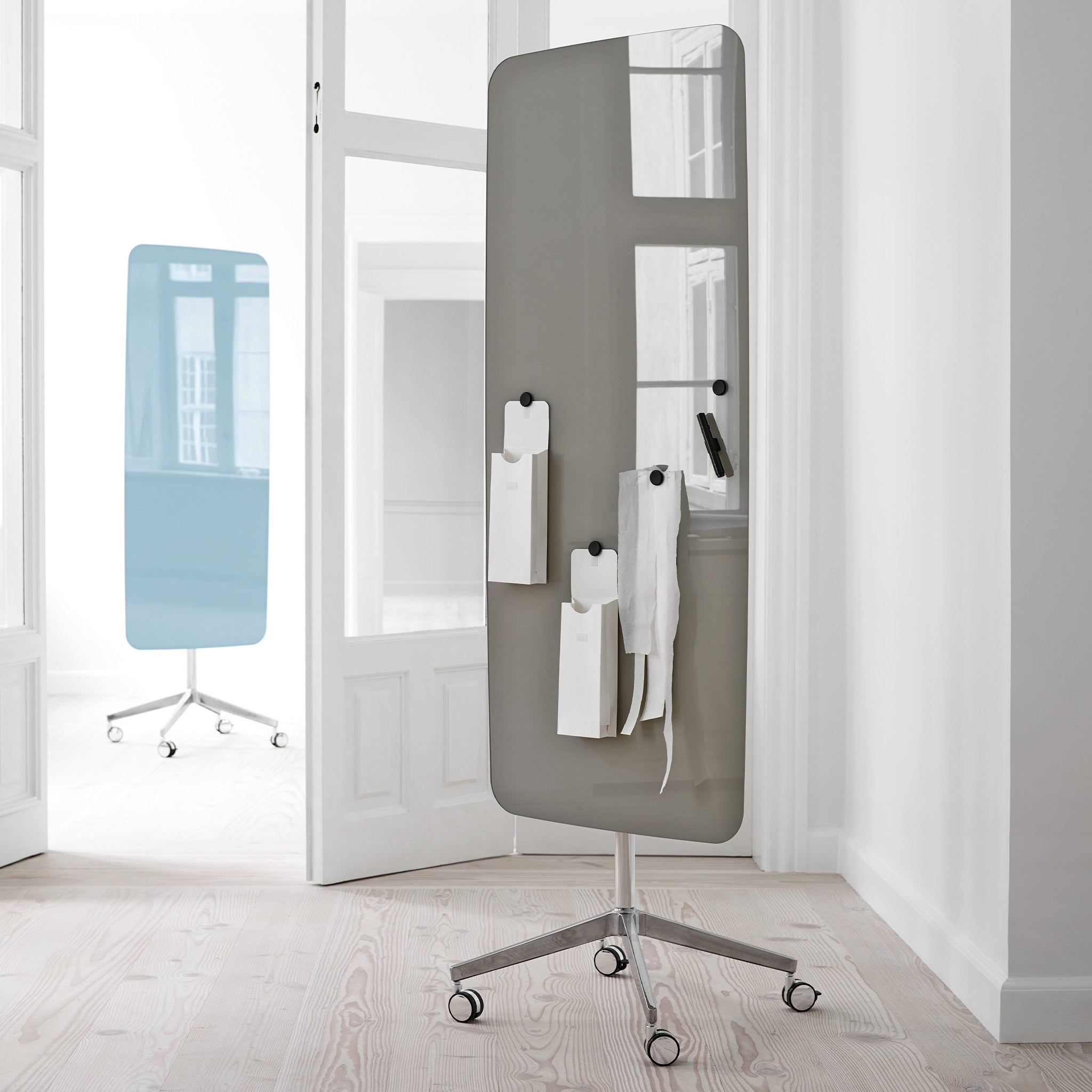
Most glassboards are wall-mounted, either flush-fixed directly to the wall with concealed fixings or on a frame that creates a small gap behind the board. Wall-mounted boards suit permanent installations in meeting rooms, classrooms, and offices where the board will always be used in one location.
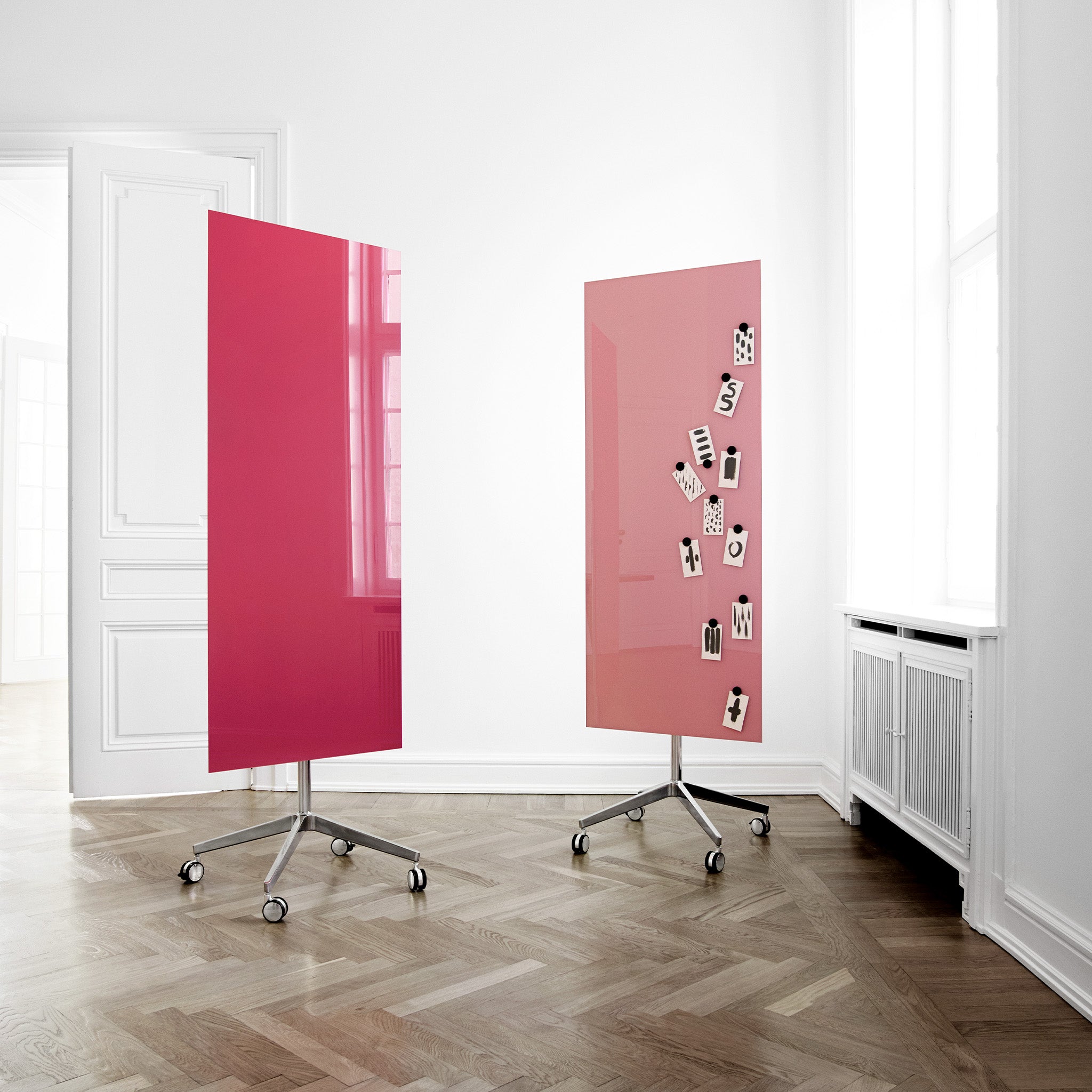
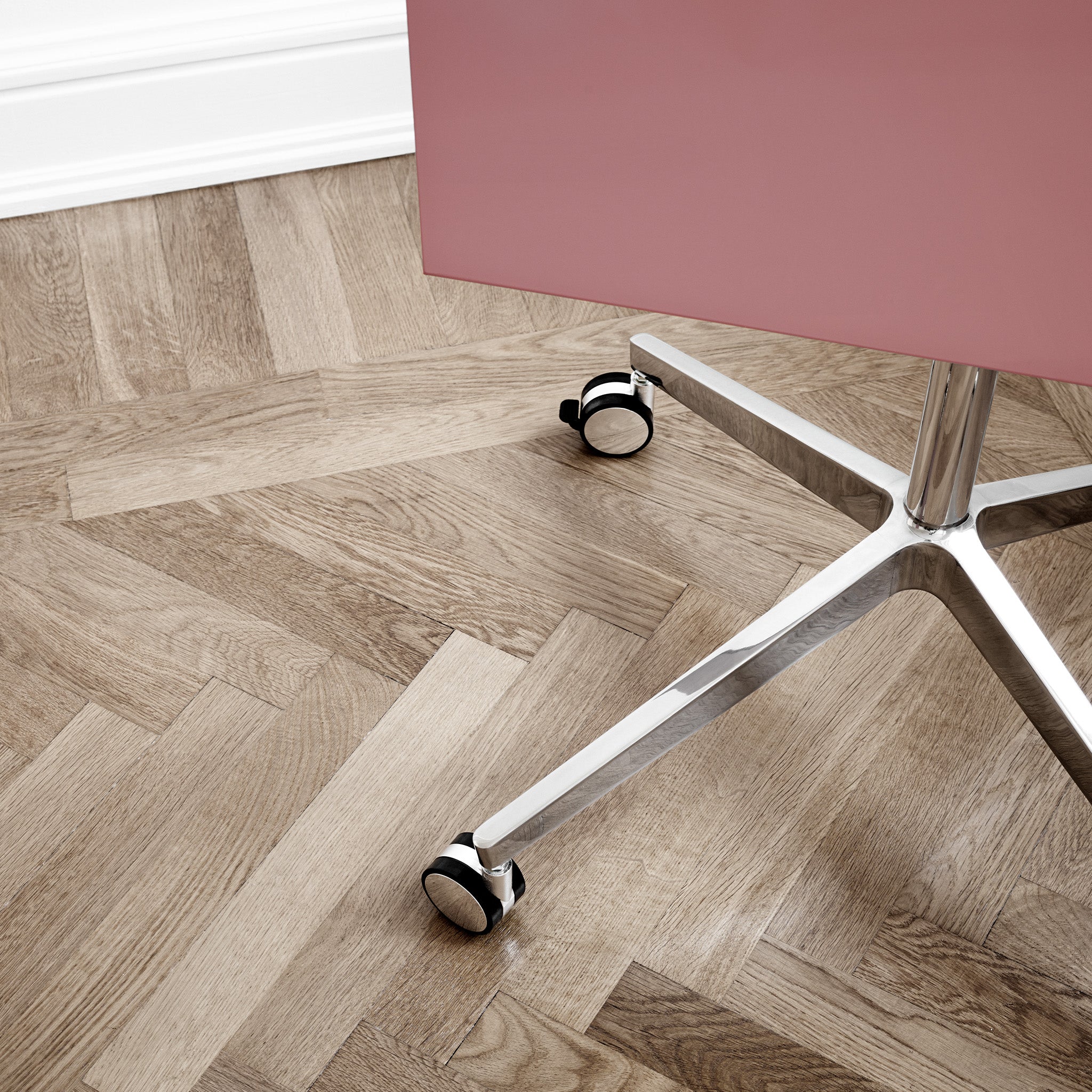
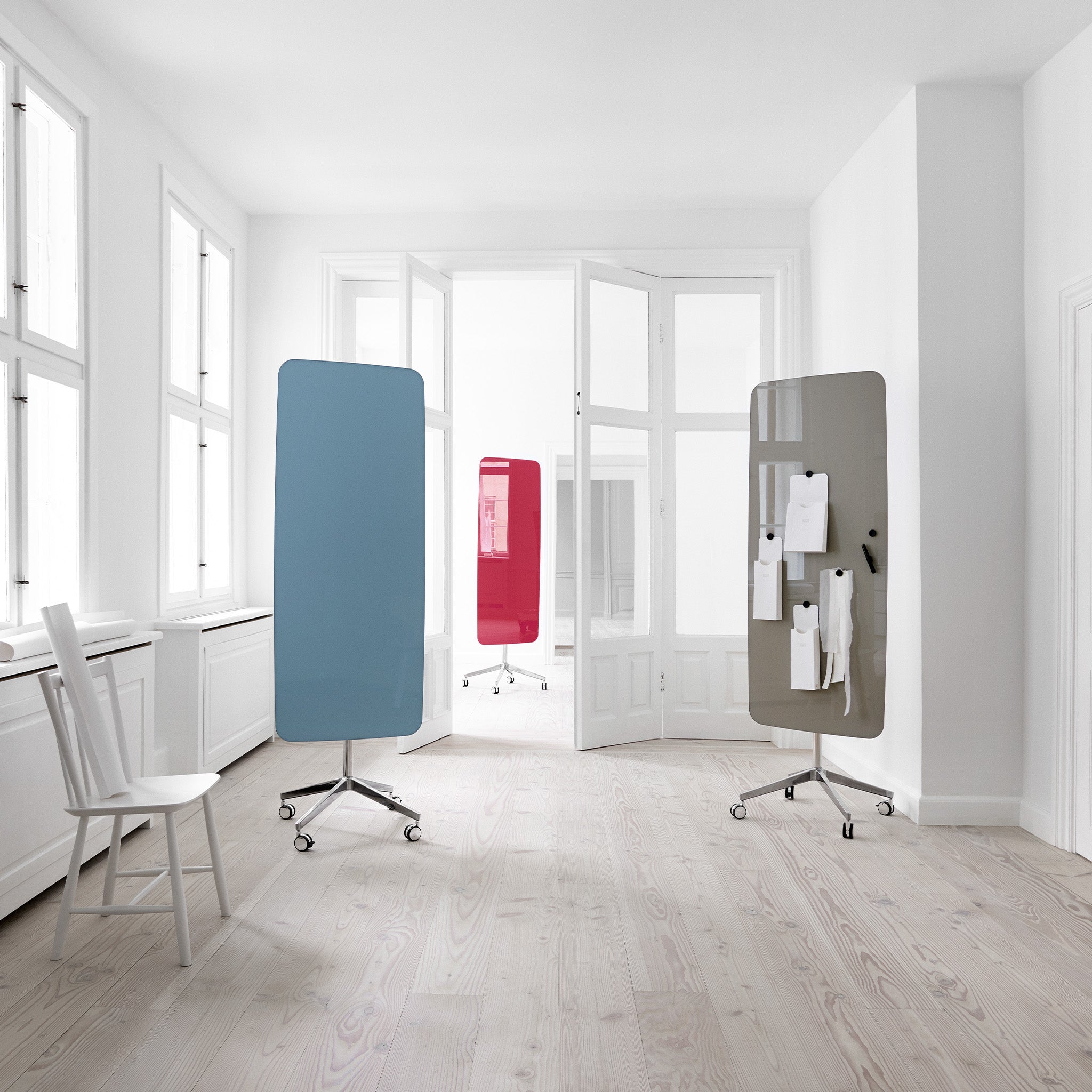
Mobile and freestanding glassboards are a smaller part of the glass market but are available for spaces that need flexibility, such as shared teaching areas or hot-desking zones where the board moves between rooms. Check the product page for castors and height-adjustment options.
For feature installations that span an entire wall, the Mood Wall and Silk Wall glass panel systems offer a floor-to-ceiling option with concealed fixings for a completely seamless look.
Frequently asked questions
What is the difference between a glassboard and a glass whiteboard?
They are the same product. "Glassboard", "glass whiteboard", and "glass dry wipe board" all refer to a toughened glass surface used for dry-wipe writing. The terminology varies by manufacturer and region, but there is no functional difference between the terms.
Are glassboards magnetic?
Not automatically. Magnetic glassboards contain a steel backer bonded behind the glass and will hold magnets. Non-magnetic glassboards are glass only and will not. Always check the product specification. Most of our collection, including the Premier White Magnetic Glass Board and the Premier Coloured Magnetic Glass Wipe Boards, are magnetic as standard.
Do glassboards ghost or stain over time?
No. Ghosting is caused by marker ink absorbing into a porous or degraded surface coating. Because glass is non-porous, ink sits entirely on the surface and wipes clean completely. A glassboard maintained with a clean dry eraser will show no ghosting even after years of regular use.
Can I use any dry-wipe marker on a glass writing board?
Yes, standard dry-wipe whiteboard markers work on glassboards. Avoid permanent markers and oil-based markers. For the cleanest result, use a microfibre cloth or a purpose-made glass eraser rather than a felt eraser, which can occasionally leave a slight residue on glass that a quick wipe with a damp cloth removes easily.
What sizes do glassboards come in?
Standard sizes run from 600x900 mm up to 1200x2400 mm for single-panel boards. The wall-mounted magnetic glassboard range covers the most common office and classroom sizes. For larger or bespoke installations, the Mood Wall and Silk Wall panel systems can fill a wall of any width by combining multiple panels with concealed joins.
How are glassboards fixed to the wall?
Most glassboards use concealed point fixings that screw into wall anchors, leaving no visible frame. The glass sits slightly proud of the wall, giving a floating appearance. Fixings are included with the board, and most standard sizes can be installed by two people in under an hour. Always fix into solid wall or locate studs for large boards, as toughened glass panels are heavier than equivalent whiteboards.

Recommended Glassboards
-
Wall Mounted Magnetic Glassboards | Available in 15 colours
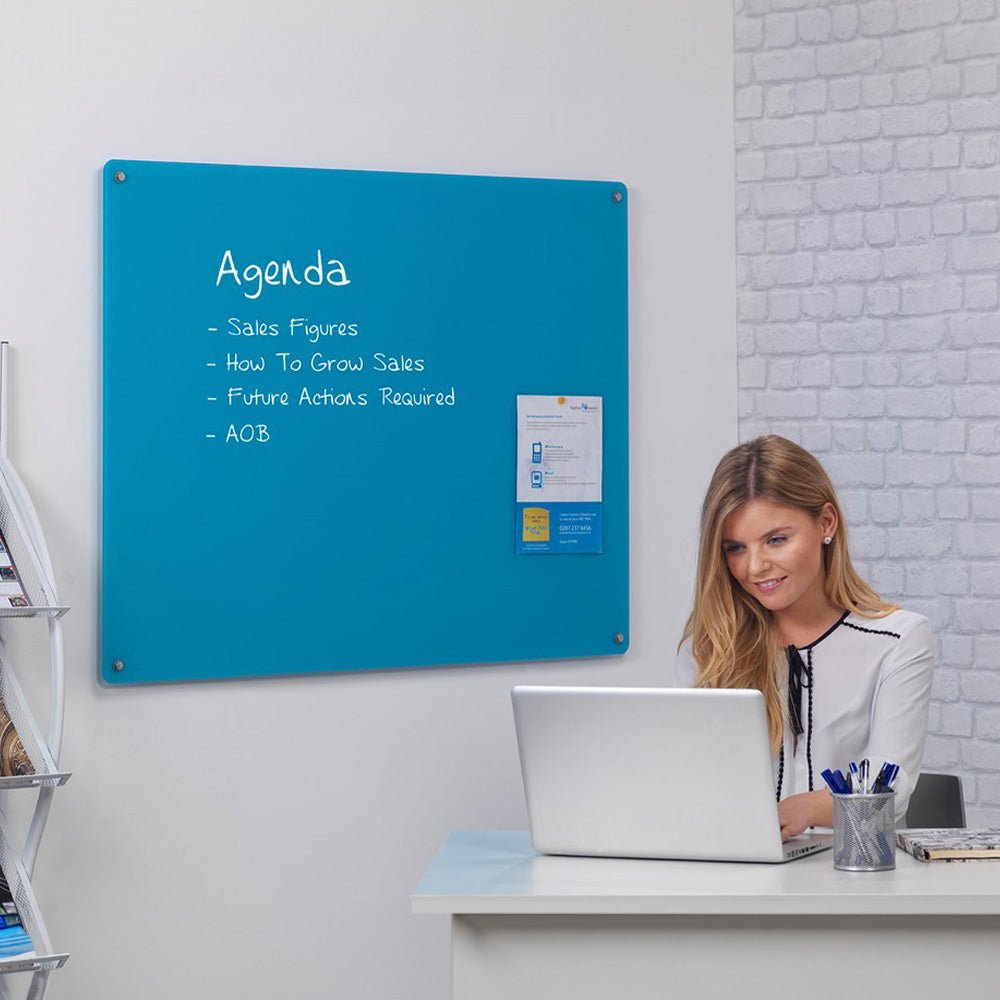
Wall Mounted Magnetic Glassboards | Available in 15 colours
From £206.49 exc VAT- From £247.79 inc VAT